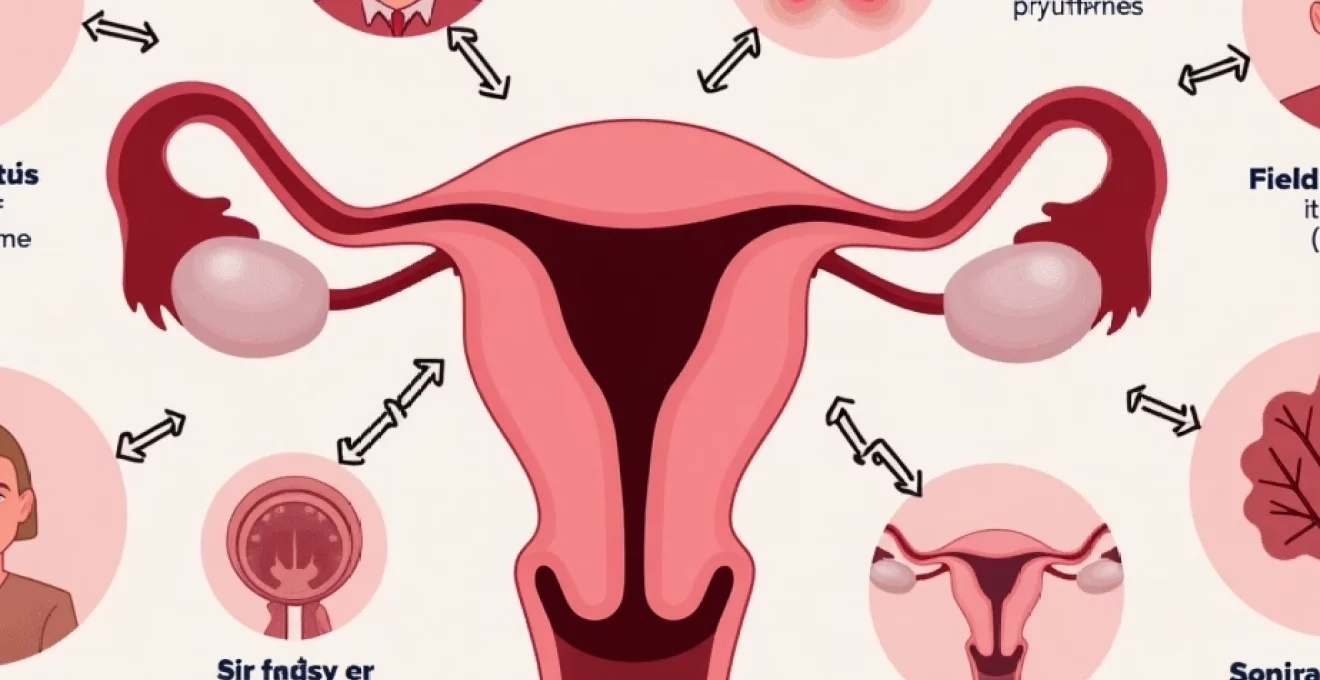
The Loop Electrosurgical Excision Procedure (LEEP) represents a critical intervention in preventing cervical cancer by removing abnormal cells from the cervix. While this procedure effectively addresses precancerous conditions, many women experience significant changes to their menstrual cycles following treatment. Understanding these alterations helps patients navigate their recovery journey with greater confidence and awareness of what constitutes normal healing versus concerning symptoms that require medical attention.
The cervix plays a more complex role in reproductive health than many realise, serving not only as a protective barrier but also influencing hormonal signalling and menstrual flow patterns. When surgical intervention becomes necessary through LEEP, the temporary disruption to cervical tissue can create cascading effects throughout the reproductive system. These changes, while often temporary, can persist for several months and significantly impact a woman’s quality of life during recovery.
LEEP procedure mechanism and cervical tissue impact on menstrual function
The electrosurgical nature of LEEP creates precise tissue removal whilst simultaneously cauterising blood vessels to minimise bleeding. However, this process inevitably affects the cervical architecture that plays a crucial role in menstrual regulation. The cervix contains specialised glands that produce mucus throughout the menstrual cycle, responding to hormonal fluctuations and facilitating normal menstrual flow. When LEEP removes tissue, these glands may be temporarily compromised, leading to observable changes in menstrual patterns.
The electrical current used during LEEP can affect nerve endings within the cervical tissue, potentially disrupting local sensory feedback mechanisms that influence hormonal communication between the cervix and brain. This neurological impact may contribute to temporary irregularities in cycle timing and flow characteristics. Additionally, the healing process requires the formation of new tissue, which may have different structural properties compared to the original cervical anatomy.
Research indicates that the depth and width of tissue removal directly correlates with the severity of subsequent menstrual changes. Procedures requiring more extensive excision typically result in more pronounced alterations to cycle regularity and flow patterns. The cervical os, or opening, may experience temporary narrowing during the healing process, creating a physical impediment to normal menstrual flow that can manifest as increased cramping or altered bleeding patterns.
Immediate Post-LEEP menstrual alterations and recovery timeline
The immediate post-procedural period, typically encompassing the first six to eight weeks following LEEP, presents the most significant menstrual disruptions. During this critical healing phase, patients commonly experience a complex interplay of procedural bleeding, normal menstrual flow, and tissue recovery processes. Understanding this timeline helps distinguish between expected healing responses and potentially concerning complications.
First menstrual cycle changes within 4-6 weeks Post-Procedure
The first menstrual period following LEEP often presents dramatically different characteristics compared to pre-procedural cycles. Many women report significantly heavier bleeding, which may result from the compromised cervical structure’s reduced ability to regulate flow effectively. This increased volume can be particularly pronounced during the first 48-72 hours of menstruation, gradually normalising as the cycle progresses.
Timing irregularities frequently manifest during this initial cycle, with periods arriving earlier or later than expected. The stress response from the surgical procedure can temporarily disrupt the hypothalamic-pituitary-ovarian axis , leading to delayed ovulation or altered luteal phase length. Some patients experience breakthrough bleeding that may be mistaken for an early period, creating confusion about cycle timing.
Cervical mucus production disruption and flow volume variations
LEEP significantly impacts cervical mucus production patterns, as the procedure removes mucus-producing glands and disrupts the remaining glandular architecture. The reduction in cervical mucus can create a sensation of vaginal dryness and may alter the typical pre-menstrual discharge patterns that many women rely on to predict their cycles. This change often persists for several months as new glandular tissue develops.
Flow volume variations extend beyond simple increases or decreases in total menstrual blood loss. Many patients report qualitative changes in their menstrual flow, including alterations in colour, consistency, and the presence of clots. These variations reflect both the healing cervical tissue and temporary changes in the uterine environment as the body adapts to the altered cervical structure.
Spotting patterns and breakthrough bleeding during initial recovery
Intermittent spotting represents one of the most common and concerning symptoms for patients during early LEEP recovery. This bleeding typically stems from the healing cervical tissue rather than normal menstrual processes, creating confusion about cycle timing and flow patterns. The spotting may occur unpredictably throughout the cycle, often intensifying around traditional ovulation and pre-menstrual periods.
Breakthrough bleeding patterns can persist for up to three months post-procedure, gradually diminishing as cervical healing progresses. The application of Monsel’s paste during the procedure may contribute to unusual discharge characteristics, including dark-coloured spotting that can be alarming but represents normal tissue healing. Distinguishing between procedural bleeding and menstrual irregularities requires careful observation of timing, volume, and associated symptoms.
Pain intensity modifications and dysmenorrhoea syndrome changes
The relationship between LEEP and menstrual pain presents a complex clinical picture, with some patients experiencing increased cramping whilst others report diminished discomfort. The surgical alteration of cervical nerve pathways can modify pain perception, potentially reducing sensitivity to normal uterine contractions. Conversely, cervical scarring or stenosis may create increased resistance to menstrual flow, intensifying cramping sensations.
Post-LEEP dysmenorrhoea often exhibits different characteristics compared to pre-procedural patterns. Patients frequently describe a sharper, more localised pain concentrated in the cervical region, distinct from the diffuse uterine cramping typical of primary dysmenorrhoea. These pain modifications may require adjustments to traditional pain management strategies, with some women finding their usual remedies less effective.
The cervical changes following LEEP can fundamentally alter how menstrual pain is experienced, requiring individualised approaches to symptom management during the recovery period.
Long-term menstrual cycle modifications following loop electrosurgical excision
While immediate post-procedural changes often resolve within the first few cycles, some women experience persistent alterations to their menstrual patterns that extend well beyond the initial healing period. These long-term modifications reflect permanent structural changes to the cervix and potential impacts on the broader reproductive system. Understanding these potential lasting effects helps patients develop realistic expectations for their post-LEEP reproductive health.
Cycle length irregularities and ovulation timing disruptions
Persistent cycle length variations affect approximately 15-20% of women following LEEP, with irregularities ranging from subtle timing shifts to significant monthly variations. The procedure’s impact on local hormone receptors within cervical tissue may disrupt the fine-tuned feedback mechanisms that regulate cycle timing. These disruptions can manifest as shortened luteal phases, delayed ovulation, or irregular follicular phase length.
Ovulation timing changes often prove particularly frustrating for women attempting to conceive or those using natural family planning methods. The altered cervical mucus production patterns can mask typical ovulation symptoms, making it challenging to predict fertile windows accurately. Basal body temperature tracking may become less reliable due to the hormonal fluctuations associated with cervical healing and adaptation processes.
Menstrual flow consistency changes and clotting pattern alterations
Long-term flow characteristics frequently differ from pre-procedural patterns, with many women reporting persistent changes in menstrual consistency and clotting patterns. The altered cervical architecture can affect how menstrual blood exits the uterus, potentially leading to increased clot formation or changes in flow velocity. These modifications may persist indefinitely, representing the new normal for post-LEEP menstruation.
Some patients develop what clinicians term « altered flow dynamics, » characterised by periods of heavy flow followed by abrupt cessation, then resumption of lighter bleeding. This pattern reflects the modified cervical opening and its impact on menstrual blood evacuation. While typically benign, these changes can be disconcerting and may require reassurance that such variations fall within acceptable post-procedural parameters.
Premenstrual syndrome symptom variations Post-LEEP treatment
Premenstrual syndrome (PMS) symptoms may undergo significant modifications following LEEP, with some women experiencing intensified symptoms whilst others note improvement in their pre-menstrual discomfort. The procedure’s impact on local hormone metabolism within cervical tissue can influence systemic hormone balance, potentially altering the severity and nature of PMS symptoms.
Mood-related PMS symptoms often show the most pronounced changes, possibly due to the procedure’s effect on the hypothalamic-pituitary axis and stress hormone regulation. Physical symptoms such as breast tenderness, bloating, and fatigue may also exhibit different patterns, requiring adjustments to established PMS management strategies. These symptom modifications typically stabilise within six months but may represent permanent changes for some individuals.
Hormonal balance restoration and luteal phase deficiency risk
The restoration of hormonal balance following LEEP represents a gradual process that may take up to twelve months for complete stabilisation. During this period, women may experience symptoms suggestive of luteal phase deficiency, including shortened cycles, reduced progesterone production, or inadequate endometrial development. These hormonal disruptions can impact fertility and overall reproductive health.
Regular monitoring of hormone levels may be beneficial for women experiencing persistent irregularities, particularly those attempting to conceive. The risk of luteal phase deficiency appears highest in the first six months post-procedure, gradually normalising as cervical healing progresses and local hormone production stabilises. Nutritional support and stress management may facilitate more rapid hormonal restoration.
Cervical stenosis development and associated menstrual complications
Cervical stenosis represents one of the most serious potential complications following LEEP, occurring in approximately 6-19% of patients depending on the extent of tissue removal and individual healing characteristics. This narrowing or closure of the cervical opening can create significant impediments to normal menstrual flow, leading to severe cramping, reduced flow volume, or complete amenorrhoea in extreme cases. The development of stenosis typically becomes apparent within the first three to six months post-procedure.
The pathophysiology of post-LEEP cervical stenosis involves excessive scar tissue formation during the healing process, which can progressively narrow the cervical canal. Risk factors include extensive tissue removal, previous cervical procedures, infection during healing, and individual predisposition to excessive scarring. Early recognition of stenosis symptoms is crucial for preventing complete cervical closure and preserving reproductive function.
Patients developing cervical stenosis often report progressively worsening menstrual symptoms, including severe cramping that doesn’t respond to typical pain management strategies, significantly reduced menstrual flow despite normal cycle timing, and sometimes complete absence of menstruation. The trapped menstrual blood can lead to retrograde flow into the fallopian tubes, potentially increasing infection risk and causing significant pelvic pain.
Early intervention for cervical stenosis can prevent permanent complications and preserve reproductive function, making prompt recognition of symptoms essential for optimal patient outcomes.
Treatment options for post-LEEP cervical stenosis range from conservative management with cervical dilation to more aggressive surgical interventions in severe cases. The timing of intervention depends on symptom severity and the degree of cervical narrowing observed on examination. Some cases may resolve spontaneously as tissue remodelling continues, whilst others require active medical management to prevent permanent complications.
Fertility implications and reproductive health considerations after LEEP
The impact of LEEP on future fertility extends beyond immediate procedural effects to encompass long-term reproductive health considerations that may influence pregnancy outcomes and conception rates. While the majority of women maintain normal fertility following LEEP, certain aspects of reproductive function may be permanently altered. Understanding these implications helps patients make informed decisions about family planning and reproductive health management.
Conception rates generally remain within normal ranges following LEEP, with most studies indicating no significant reduction in overall fertility. However, the time to conception may be extended due to altered cervical mucus production and changes in the cervical environment that affect sperm transport. The cervical mucus quality plays a crucial role in sperm survival and transport through the reproductive tract, and post-LEEP changes may create suboptimal conditions for conception.
Pregnancy outcomes following LEEP show slightly increased risks for certain complications, particularly preterm birth and cervical insufficiency. The removal of cervical tissue can weaken the cervical structure, potentially compromising its ability to remain closed during pregnancy. Studies suggest a modest increase in preterm birth rates, with the risk correlating to the amount of tissue removed during the procedure.
The altered cervical anatomy may also impact labour and delivery processes, with some women experiencing more rapid cervical dilation during labour whilst others may have prolonged latent phases. These variations reflect the changed mechanical properties of the cervix following tissue removal and healing. Healthcare providers should be aware of the patient’s LEEP history when managing labour to anticipate potential complications or variations in normal progress patterns.
Long-term monitoring of reproductive health becomes particularly important for women who have undergone LEEP and subsequently become pregnant. Regular cervical length assessments during pregnancy can help identify developing cervical insufficiency early, allowing for interventions such as cervical cerclage if necessary. The increased vigilance required during pregnancy may create anxiety for some patients but ultimately contributes to better pregnancy outcomes.
Clinical monitoring protocols and when to seek gynaecological intervention
Establishing appropriate monitoring protocols following LEEP ensures early detection of complications whilst providing reassurance about normal healing processes. The complexity of post-procedural changes requires a nuanced approach to symptom evaluation, distinguishing between expected variations and concerning developments that warrant immediate medical attention. Regular follow-up appointments should address both immediate healing concerns and long-term reproductive health implications.
The standard follow-up schedule typically includes appointments at two weeks, six weeks, and six months post-procedure, with additional visits scheduled based on individual healing patterns and symptom development. During these visits, healthcare providers assess cervical healing, evaluate menstrual pattern changes, and screen for potential complications such as stenosis or infection. Patient education about normal versus concerning symptoms forms a crucial component of post-procedural care.
Immediate medical attention should be sought for symptoms indicating serious complications, including soaking more than one pad per hour for consecutive hours, severe abdominal pain that doesn’t respond to over-the-counter pain medications, fever above 38°C (100.4°F), or foul-smelling vaginal discharge. These symptoms may indicate infection, excessive bleeding, or other serious complications requiring urgent intervention.
Long-term monitoring focuses on menstrual pattern stabilisation and reproductive health preservation. Patients should report persistent cycle irregularities beyond six months post-procedure, progressive worsening of menstrual pain, significant changes in flow patterns, or complete absence of menstruation. These symptoms may indicate developing stenosis or other late complications requiring medical evaluation and potential intervention.
The integration of patient-reported outcomes into clinical monitoring enhances the detection of subtle complications that might otherwise go unrecognised. Menstrual symptom diaries provide valuable information about healing progression and can help identify patterns that warrant closer evaluation. This collaborative approach between patient and provider optimises long-term outcomes and ensures appropriate management of any developing complications.