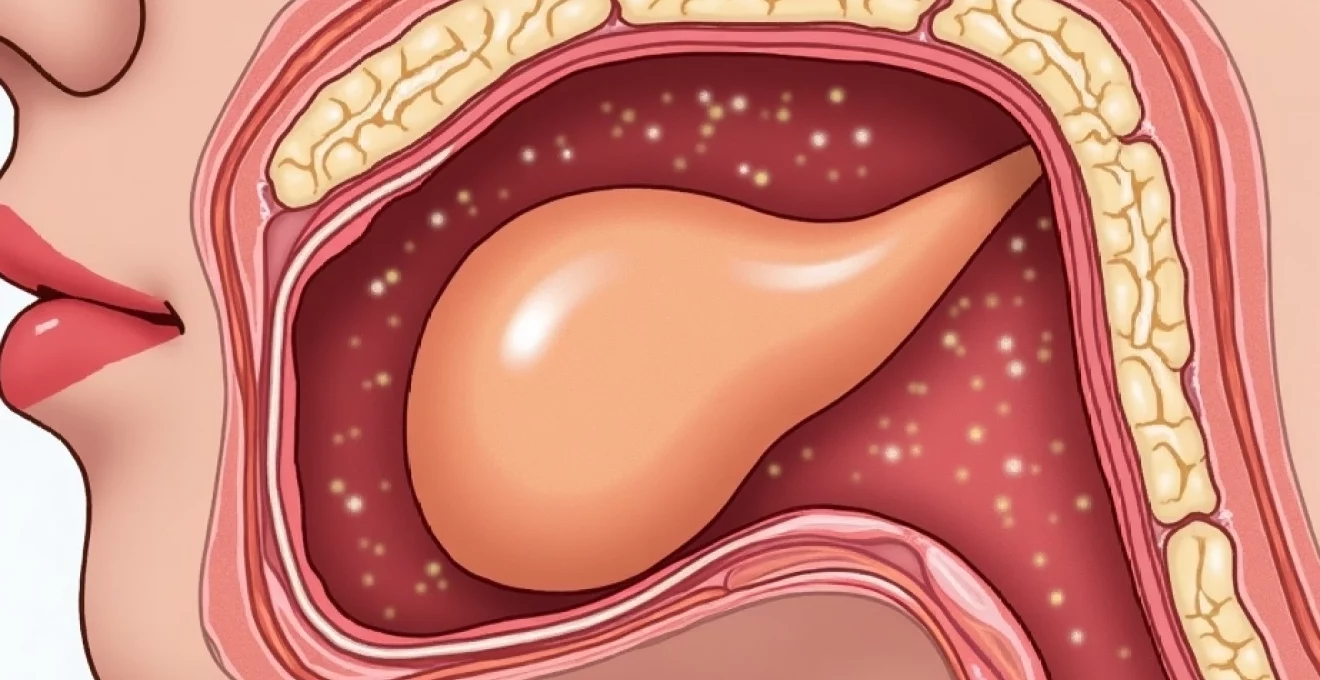
Discovering bumps on the back of your throat can be an unsettling experience that naturally raises concerns about potential health issues. These raised areas, often resembling cobblestones or pebbles, are surprisingly common and typically represent normal physiological responses to various environmental and pathological factors. Understanding the underlying causes of these pharyngeal irregularities helps distinguish between benign conditions requiring minimal intervention and more serious pathologies demanding medical attention.
The posterior throat region contains complex lymphoid tissue arrangements that serve as the body’s first line of defence against airborne pathogens. When these tissues encounter irritants, allergens, or infectious agents, they can develop characteristic bumpy appearances that often alarm patients. Most throat bumps are completely harmless and resolve naturally once the underlying cause is addressed, making accurate identification of precipitating factors essential for appropriate management.
Anatomical structure of posterior pharyngeal wall and normal lymphoid tissue
The posterior pharyngeal wall consists of several distinct anatomical components that can manifest as raised areas during periods of inflammation or irritation. The oropharynx contains strategically positioned lymphoid aggregates designed to sample antigens entering the respiratory tract, creating a natural surveillance system that occasionally produces visible tissue changes.
Palatine tonsil crypts and follicular hyperplasia mechanisms
Palatine tonsils feature intricate crypt systems that can harbour cellular debris, food particles, and microorganisms. When immune responses activate within these crypts, follicular hyperplasia occurs, causing visible enlargement of lymphoid follicles. This process creates characteristic bumpy appearances that patients often mistake for pathological growths. The hyperplastic response represents normal immune function rather than disease, demonstrating the tonsils’ active role in maintaining respiratory health.
Chronic exposure to environmental irritants can perpetuate this hyperplastic state, leading to persistent throat bumps that concern patients unnecessarily. Understanding this mechanism helps healthcare providers reassure patients whilst addressing underlying causative factors. Follicular hyperplasia typically resolves spontaneously once irritant exposure ceases, making identification and elimination of triggers the primary therapeutic approach.
Lingual tonsil distribution patterns in oropharyngeal region
Lingual tonsils occupy the posterior third of the tongue base, extending toward the vallecula and creating naturally irregular surfaces that can appear abnormal to untrained observers. These lymphoid aggregates vary considerably between individuals in size, distribution, and prominence. During periods of immune activation, lingual tonsils can become notably enlarged and bumpy, particularly following viral infections or allergic reactions.
The prominence of lingual tonsils often increases with age as compensatory mechanisms develop following palatine tonsillectomy procedures. This adaptive response can create dramatic changes in throat appearance that alarm patients who previously had smooth posterior pharyngeal contours. Lingual tonsil hypertrophy represents normal physiological adaptation rather than pathological change in most circumstances.
Adenoid tissue remnants and Post-Nasal drip accumulation
Adenoidal tissue remnants in the nasopharynx can contribute to irregular posterior throat appearances, particularly when associated with chronic post-nasal drainage. These remnants often harbour bacteria and cellular debris, creating focal inflammatory responses that manifest as raised, bumpy areas. The interaction between residual adenoidal tissue and descending mucus creates ideal conditions for chronic irritation and subsequent tissue changes.
Post-nasal drip accumulation over adenoidal remnants frequently produces characteristic cobblestone appearances that concern patients seeking medical evaluation. This drainage pattern creates persistent moisture exposure that promotes bacterial overgrowth and inflammatory responses. Understanding this relationship helps clinicians identify appropriate treatment strategies targeting both drainage patterns and inflammatory responses.
Granular pharyngitis characteristics in chronic inflammatory states
Granular pharyngitis represents a chronic inflammatory condition characterised by multiple small, raised nodules throughout the posterior pharyngeal wall. This condition typically develops following repeated acute inflammatory episodes or persistent exposure to environmental irritants. The granular appearance results from lymphoid follicle hyperplasia combined with chronic oedema and fibrotic tissue changes.
Patients with granular pharyngitis often report persistent throat discomfort, frequent throat clearing, and concerns about the visible bumpy appearance of their throat tissue. This condition demonstrates how chronic irritation can produce dramatic tissue changes that appear alarming whilst remaining fundamentally benign. Granular pharyngitis requires comprehensive evaluation to identify underlying causative factors and develop effective treatment strategies.
Infectious aetiologies causing posterior throat nodular lesions
Various infectious agents can produce characteristic bumpy appearances in the posterior throat region, each creating distinct patterns of tissue involvement. These infectious processes often combine direct pathogen effects with host immune responses to produce visible changes that patients readily notice during self-examination.
Streptococcus pyogenes follicular tonsillitis manifestations
Streptococcal pharyngitis frequently produces dramatic changes in posterior throat appearance, including follicular tonsillitis characterised by raised, pus-filled lesions. These bacterial infections create intense inflammatory responses that cause rapid tissue swelling and exudate formation. The characteristic “beefy red” appearance of streptococcal pharyngitis often includes prominent follicular involvement that creates distinctly bumpy tissue contours.
Group A streptococcal infections can also trigger post-infectious inflammatory responses that persist long after bacterial clearance, maintaining bumpy throat appearances weeks after initial symptoms resolve. This phenomenon explains why some patients continue experiencing visible throat irregularities despite successful antibiotic treatment. Recognition of post-streptococcal inflammatory patterns helps clinicians provide appropriate patient education and management strategies.
Epstein-barr virus mononucleosis lymphoid proliferation
Infectious mononucleosis caused by Epstein-Barr virus produces dramatic lymphoid proliferation throughout the pharyngeal region, creating extensive bumpy appearances that can persist for months following acute infection. The virus specifically targets B-lymphocytes, causing massive lymphoid hyperplasia that affects tonsils, posterior pharyngeal wall, and lingual tonsils simultaneously.
EBV-induced throat changes often include confluent areas of lymphoid proliferation that create pronounced cobblestone appearances extending beyond typical tonsil boundaries. These changes can be so dramatic that patients fear malignant transformation, requiring careful clinical evaluation and patient reassurance. EBV-related throat bumps typically resolve slowly over several months as immune responses normalise and lymphoid tissues return to baseline configurations.
Candida albicans pseudomembranous lesions and thrush plaques
Oral candidiasis can produce characteristic white, raised plaques throughout the oropharynx that patients often perceive as threatening bumps. These pseudomembranous lesions consist of fungal hyphae, inflammatory cells, and desquamated epithelial cells forming discrete, removable patches. The underlying tissue often appears erythematous and bumpy following plaque removal, creating persistent irregular appearances.
Chronic candidiasis can lead to hyperplastic tissue responses that maintain bumpy throat contours even after successful antifungal treatment. This pattern particularly affects immunocompromised patients who experience recurrent candidal episodes. Understanding these chronic changes helps clinicians develop appropriate long-term management strategies for susceptible patient populations.
Human papillomavirus cobblestone throat appearance
Certain HPV subtypes can produce characteristic cobblestone throat appearances through focal epithelial proliferation and inflammatory responses. These viral infections create irregular surface textures that patients readily notice during routine throat examination. HPV-induced changes often involve multiple small, raised areas rather than discrete lesions, creating diffuse bumpy appearances throughout affected regions.
Low-risk HPV types typically produce benign proliferative changes that resolve spontaneously over months to years. However, the visible nature of these changes often causes significant patient anxiety requiring careful clinical evaluation and appropriate reassurance. HPV-related throat bumps rarely require active intervention beyond monitoring and patient education about expected resolution patterns.
Coxsackievirus herpangina vesicular eruptions
Coxsackievirus infections can produce herpangina, characterised by small vesicular lesions that rupture to form shallow ulcers surrounded by raised, inflammatory tissue. These lesions create temporary bumpy appearances that typically resolve within one to two weeks following symptom onset. The inflammatory response surrounding healing vesicles often produces more prominent tissue elevation than the original lesions.
Post-herpangina inflammatory responses can persist beyond vesicle healing, maintaining visible tissue irregularities that concern patients and healthcare providers. This pattern demonstrates how viral infections can create lasting tissue changes that appear disproportionate to the original pathological process. Recognition of these post-viral changes helps prevent unnecessary investigations and interventions.
Non-infectious inflammatory conditions and allergic responses
Numerous non-infectious factors can produce throat bumps through inflammatory mechanisms that activate lymphoid tissue and create visible tissue changes. These conditions often produce chronic or recurrent symptoms that significantly impact patient quality of life whilst remaining fundamentally benign.
Gastro-oesophageal reflux disease laryngopharyngeal manifestations
Laryngopharyngeal reflux (LPR) represents a common cause of chronic throat bumps through direct acid exposure and subsequent inflammatory responses. Gastric acid reaching the posterior pharynx creates chemical irritation that activates lymphoid tissue and promotes inflammatory cell infiltration. This process produces characteristic granular appearances that patients often describe as feeling like “gravel” in their throat.
LPR-induced throat changes typically involve the posterior larynx, arytenoid regions, and posterior pharyngeal wall, creating distinctive patterns that experienced clinicians readily recognise. The inflammatory response to acid exposure can persist for weeks following individual reflux episodes, maintaining visible tissue changes despite symptom resolution. LPR-related throat bumps often require comprehensive reflux management including dietary modifications, positional therapy, and potentially pharmacological intervention.
Allergic rhinitis Post-Nasal drip lymphoid hyperplasia
Chronic allergic rhinitis produces persistent post-nasal drainage that creates ideal conditions for posterior pharyngeal lymphoid activation and subsequent tissue changes. Allergenic proteins in nasal secretions stimulate local immune responses that cause lymphoid follicle enlargement and inflammatory cell accumulation. This process creates characteristic bumpy appearances that fluctuate with seasonal allergen exposure patterns.
The inflammatory mediators released during allergic responses can perpetuate tissue changes beyond direct allergen exposure periods, creating persistent throat irregularities that concern patients. Environmental allergen control and appropriate antihistamine therapy can significantly reduce these tissue changes over time. Understanding the relationship between allergic inflammation and throat bumps helps clinicians develop comprehensive treatment approaches addressing both symptoms and underlying immunological processes.
Smoking-induced chronic pharyngeal irritation patterns
Chronic tobacco exposure produces distinctive inflammatory patterns in the posterior pharynx that create persistent bumpy appearances resistant to conventional treatment approaches. The combination of thermal injury, chemical irritation, and carcinogenic exposure creates complex inflammatory responses that significantly alter tissue architecture. Smoking-related throat changes often include both inflammatory and potentially premalignant elements requiring careful clinical evaluation.
The inflammatory response to chronic smoking involves both acute irritant effects and cumulative tissue damage that can persist long after smoking cessation. These changes demonstrate how environmental toxin exposure can create lasting tissue alterations that affect both appearance and function. Smoking-related throat bumps may require specialised evaluation to exclude malignant transformation whilst addressing ongoing inflammatory processes.
Environmental pollutant exposure and mucosal response
Occupational and environmental pollutant exposure can produce chronic pharyngeal irritation leading to persistent tissue changes and bumpy throat appearances. Industrial chemicals, particulate matter, and gaseous irritants create inflammatory responses that activate lymphoid tissue and promote cellular infiltration. These exposures often produce cumulative effects that become apparent only after months or years of continued exposure.
Air quality improvements and exposure reduction strategies can help reverse pollution-induced throat changes, though recovery may require extended periods depending on exposure duration and intensity. Recognition of environmental factors in throat bump development helps clinicians provide appropriate counselling about exposure reduction and protective measures.
Neoplastic lesions and premalignant throat abnormalities
While most throat bumps represent benign inflammatory conditions, certain presentations warrant careful evaluation to exclude malignant or premalignant processes. Distinguishing between inflammatory and neoplastic lesions requires systematic clinical assessment combined with appropriate diagnostic studies when indicated. Early recognition of potentially malignant changes significantly improves treatment outcomes and patient prognosis in affected individuals.
Squamous cell carcinoma can occasionally present as raised, irregular lesions in the posterior pharynx, particularly in patients with significant tobacco or alcohol exposure histories. These malignant changes typically demonstrate different growth patterns, surface characteristics, and associated symptoms compared to inflammatory conditions. The presence of ulceration, asymmetry, or rapid growth should prompt immediate specialist evaluation to exclude malignant transformation.
Premalignant conditions such as leukoplakia or erythroplakia can create raised, bumpy appearances that require histopathological evaluation for definitive diagnosis. These conditions often develop in response to chronic irritant exposure and may progress to invasive carcinoma without appropriate intervention. Understanding the clinical features that distinguish potentially malignant lesions from benign inflammatory changes helps clinicians make appropriate referral decisions and management recommendations.
Human papillomavirus-related malignancies represent an increasingly important consideration in throat bump evaluation, particularly in younger patients without traditional risk factors. High-risk HPV subtypes can produce subtle tissue changes that may progress to invasive carcinoma over extended periods. The rising incidence of HPV-related oropharyngeal cancers emphasises the importance of comprehensive clinical evaluation for unusual or persistent throat lesions regardless of patient age or risk factor profile.
Diagnostic assessment protocols and clinical examination techniques
Systematic evaluation of throat bumps requires comprehensive clinical assessment combining detailed history-taking with thorough physical examination techniques. The diagnostic approach should consider patient demographics, symptom duration, associated features, and risk factor profiles when formulating differential diagnoses and management plans. Structured assessment protocols improve diagnostic accuracy whilst ensuring appropriate identification of conditions requiring specialist evaluation or intervention.
Visual examination using adequate lighting and appropriate positioning allows detailed assessment of lesion characteristics including size, distribution, surface features, and relationship to surrounding tissues. Palpation techniques help distinguish between superficial inflammatory changes and deeper tissue involvement that might suggest more serious pathological processes. The combination of visual and tactile examination provides comprehensive information about tissue characteristics that guides further diagnostic decisions.
Flexible laryngoscopy represents the gold standard for detailed evaluation of posterior pharyngeal abnormalities, allowing magnified visualisation of tissue characteristics and extent of involvement. This procedure enables assessment of areas not readily visible during routine examination whilst providing photographic documentation for monitoring purposes. Advanced imaging techniques including CT scanning or MRI may be indicated for complex cases requiring detailed anatomical assessment or staging of suspected malignant lesions.
Laboratory investigations including throat cultures, viral studies, or tissue sampling may be necessary for definitive diagnosis in certain clinical situations. The decision to pursue invasive diagnostic procedures should balance potential diagnostic yield against procedural risks and patient preferences. Systematic documentation of examination findings facilitates appropriate monitoring and enables effective communication with specialist colleagues when referral becomes necessary.
Treatment modalities and management strategies for posterior pharyngeal bumps
Treatment approaches for throat bumps depend primarily on accurate identification of underlying causative factors rather than addressing visible tissue changes directly. Most inflammatory conditions respond favourably to conservative management strategies targeting precipitating factors and supporting natural healing processes. Successful treatment requires comprehensive understanding of individual patient factors and appropriate selection of therapeutic interventions based on specific clinical presentations.
Conservative management strategies include environmental modification, dietary changes, and lifestyle interventions designed to reduce irritant exposure and support mucosal healing. Smoking cessation, alcohol reduction, and dietary acid limitation can significantly improve throat bump appearances in appropriately selected patients. Hydration maintenance and humidification therapy help support mucosal function and reduce inflammatory responses to environmental irritants.
Pharmacological interventions may include antihistamines for allergic conditions, proton pump inhibitors for reflux-related problems, or antimicrobial therapy for infectious causes. The selection of specific medications should consider patient factors, contraindications, and potential adverse effects whilst targeting identified pathophysiological mechanisms. Topical therapies including antiseptic gargles or analgesic preparations may provide symptomatic relief whilst definitive treatment addresses underlying causes.
Specialist referral becomes necessary for persistent lesions unresponsive to conservative management, rapidly growing masses, or clinical presentations suggesting possible malignant transformation. Otolaryngology
consultation provides specialised expertise for complex diagnostic challenges and access to advanced therapeutic interventions including surgical options when conservative management fails.
Surgical interventions remain reserved for specific clinical situations including recurrent infections unresponsive to medical management, suspected malignant lesions requiring tissue sampling, or mechanical obstruction affecting swallowing or breathing. Tonsillectomy may be considered for patients with recurrent streptococcal infections or chronic tonsillitis producing persistent tissue changes. However, surgical approaches require careful patient selection and comprehensive preoperative evaluation to ensure appropriate risk-benefit ratios.
Patient education represents a crucial component of successful management, helping individuals understand the benign nature of most throat bumps whilst recognising warning signs requiring medical attention. Informed patients demonstrate better treatment compliance and experience reduced anxiety about their condition. Clear communication about expected treatment timelines, potential side effects, and follow-up requirements enhances therapeutic outcomes and patient satisfaction.
Long-term monitoring strategies depend on underlying diagnoses and treatment responses, with some conditions requiring periodic reassessment to ensure continued stability. Patients with chronic inflammatory conditions may benefit from regular follow-up appointments to monitor treatment effectiveness and adjust therapeutic approaches as needed. Documentation of baseline findings and systematic monitoring protocols help ensure appropriate detection of any concerning changes requiring modified management approaches.
Preventive strategies play an important role in reducing recurrence rates for many conditions causing throat bumps. Environmental control measures, appropriate vaccination schedules, and lifestyle modifications can significantly reduce the likelihood of developing inflammatory conditions. Understanding individual risk factors and implementing appropriate preventive measures represents a cost-effective approach to long-term throat health maintenance.