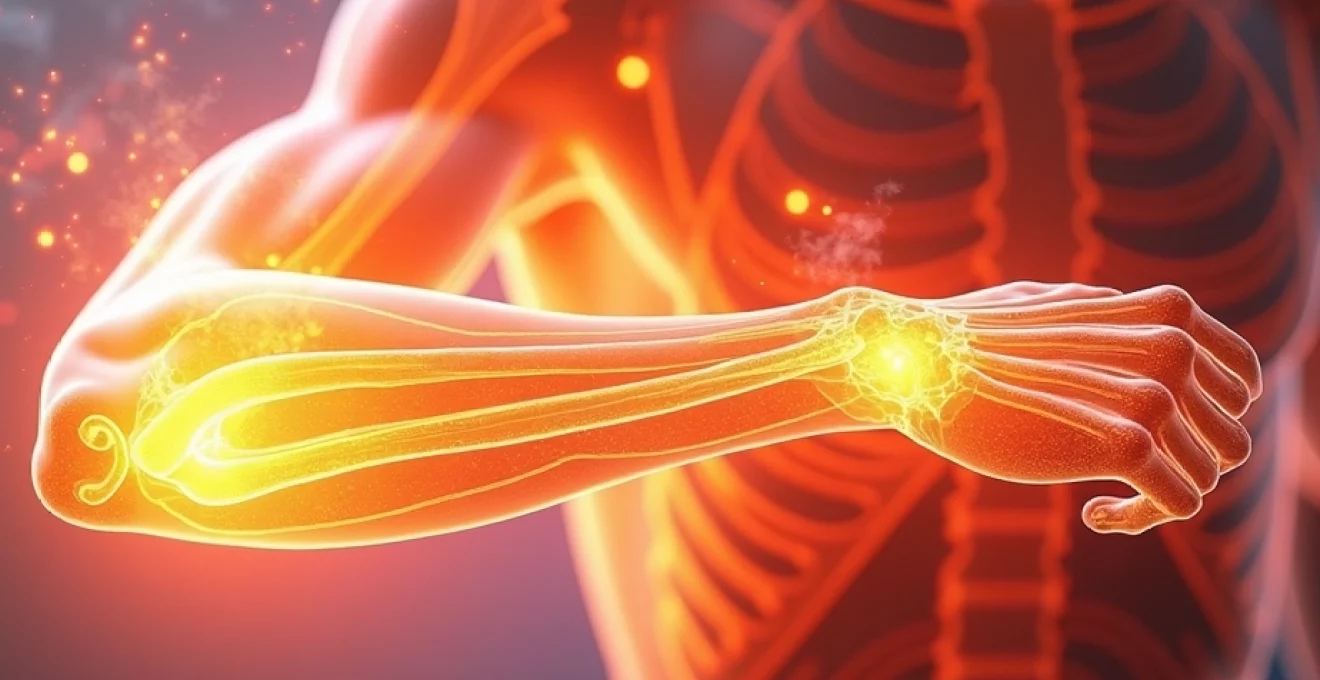
Anxiety manifests in countless ways throughout the human body, with burning sensations in the arms representing one of the most distressing yet frequently misunderstood symptoms. This phenomenon affects millions of individuals worldwide, creating a complex interplay between psychological distress and physical discomfort that can significantly impact daily functioning. The burning sensation typically described as intense heat, tingling, or prickling feelings along the upper extremities, often catches sufferers off guard with its seemingly inexplicable nature.
Understanding the intricate relationship between anxiety and peripheral burning sensations requires a comprehensive examination of neurophysiological mechanisms, clinical presentations, and evidence-based treatment approaches. The medical community has increasingly recognised the validity of these somatic symptoms, moving away from dismissive attitudes towards a more nuanced understanding of mind-body connections. Research indicates that approximately 30% of individuals with generalised anxiety disorder experience some form of peripheral burning or tingling sensation during their lifetime.
Neurophysiological mechanisms behind Anxiety-Induced peripheral burning sensations
The complex neurobiological processes underlying anxiety-induced burning sensations in the arms involve multiple interconnected systems working in dysharmonious concert. When the brain perceives threat or stress, it initiates a cascade of physiological responses designed to prepare the body for immediate action. However, in chronic anxiety states, these adaptive mechanisms become maladaptive, creating persistent alterations in neural processing and peripheral sensation.
The brain’s interpretation of sensory input becomes significantly altered during anxious states, with the amygdala and other limbic structures modulating how peripheral sensations are processed and perceived. This neuroplasticity can result in hypersensitisation of pain pathways , where normal tactile sensations become interpreted as burning or uncomfortable feelings. The phenomenon represents a fascinating example of how psychological states can directly influence physiological experiences through well-established neural networks.
Sympathetic nervous system hyperactivation and peripheral vasoconstriction
The sympathetic nervous system’s overactivation during anxiety episodes triggers profound changes in peripheral blood flow patterns, directly contributing to burning sensations in the arms. When stress hormones flood the system, blood vessels in the extremities constrict dramatically, reducing oxygen and nutrient delivery to peripheral tissues. This vasoconstriction can create ischaemic conditions that manifest as burning, tingling, or numbness in the affected areas.
Research demonstrates that sympathetic hyperactivity can reduce peripheral blood flow by up to 40% during acute anxiety episodes. The body prioritises blood flow to vital organs, leaving the arms and other extremities with diminished circulation. This redistribution of blood flow creates a physiological environment conducive to uncomfortable sensations , including the characteristic burning feeling that many anxiety sufferers report.
Cortisol and adrenaline impact on peripheral nerve sensitivity
Chronic elevation of stress hormones, particularly cortisol and adrenaline, significantly alters peripheral nerve sensitivity and function. These hormones can directly affect nerve membrane excitability, lowering the threshold for action potential generation and creating heightened sensitivity to various stimuli. The prolonged exposure to elevated cortisol levels can also lead to inflammatory changes in peripheral nerves, further contributing to abnormal sensations.
Studies indicate that individuals with chronic anxiety often exhibit cortisol levels that remain elevated for extended periods, creating a state of persistent peripheral nerve hypersensitivity. This hormonal dysregulation can transform normally innocuous sensations into uncomfortable burning feelings , as the nervous system becomes increasingly reactive to minor stimuli that would typically go unnoticed.
GABA dysregulation and sensory processing dysfunction
Gamma-aminobutyric acid (GABA), the brain’s primary inhibitory neurotransmitter, plays a crucial role in modulating sensory processing and anxiety responses. In anxiety disorders, GABA function becomes impaired, leading to reduced inhibitory control over neural circuits responsible for processing peripheral sensations. This dysregulation can result in amplified sensory signals being transmitted from the arms to the brain, where they are interpreted as burning or uncomfortable sensations.
The relationship between GABA dysfunction and peripheral burning sensations illustrates the interconnected nature of central and peripheral nervous system function. When inhibitory mechanisms fail to adequately modulate sensory input, even minor stimuli can be perceived as intense burning sensations. This phenomenon demonstrates how neurotransmitter imbalances can create very real physical symptoms that significantly impact quality of life.
Inflammatory cytokines and neuropathic pain pathways
Chronic anxiety states trigger the release of inflammatory cytokines, which can sensitise peripheral pain pathways and contribute to burning sensations in the arms. These inflammatory mediators, including interleukin-1β and tumour necrosis factor-α, can directly affect nerve function and increase the sensitivity of nociceptors throughout the peripheral nervous system. The resulting neuroinflammation creates an environment where normal sensations become amplified and distorted.
The activation of microglial cells in the central nervous system further perpetuates this inflammatory cascade, creating a self-reinforcing cycle of increased sensitivity and discomfort. Research has shown that individuals with chronic anxiety often exhibit elevated levels of these inflammatory markers, correlating with the severity and frequency of their somatic symptoms, including arm burning sensations.
Clinical manifestations of Anxiety-Related arm burning symptoms
The clinical presentation of anxiety-induced arm burning varies considerably among individuals, reflecting the complex interplay between psychological factors, physiological responses, and individual susceptibility patterns. Healthcare professionals must recognise these varied manifestations to provide accurate diagnoses and appropriate treatment interventions. The symptoms can range from mild tingling sensations to intense burning pain that significantly impairs daily activities and sleep patterns.
Understanding the specific patterns and characteristics of these symptoms enables clinicians to differentiate between anxiety-related burning and other medical conditions that might present similarly. The temporal relationship between anxiety episodes and symptom onset often provides crucial diagnostic clues , as does the response to anxiety-reducing interventions and the absence of objective neurological findings on examination.
Bilateral versus unilateral burning patterns in generalised anxiety disorder
Generalised anxiety disorder typically presents with bilateral burning sensations affecting both arms symmetrically, reflecting the systemic nature of the anxiety response. This bilateral pattern distinguishes anxiety-related symptoms from many organic neurological conditions, which more commonly present with unilateral or asymmetric distributions. The burning sensations often begin in the forearms and may extend to include the hands and shoulders, following the distribution of sympathetic nerve fibres rather than specific anatomical nerve territories.
Clinical observations indicate that approximately 75% of individuals with generalised anxiety disorder who experience arm burning report bilateral symptoms. The intensity may fluctuate between arms but typically maintains a relatively symmetric pattern. This bilateral presentation serves as an important diagnostic marker that helps clinicians differentiate anxiety-related symptoms from focal neurological pathology.
Intensity variations during panic attack episodes
During acute panic attacks, the intensity of arm burning sensations can increase dramatically, often reaching levels that cause significant distress and concern for serious medical conditions. The rapid onset and escalation of these symptoms during panic episodes reflect the acute activation of the sympathetic nervous system and the sudden surge of stress hormones. Many individuals report that the burning sensation becomes so intense during panic attacks that they fear they are experiencing a heart attack or stroke.
The temporal correlation between panic symptoms and burning intensity provides valuable diagnostic information. Symptoms typically peak within 10-15 minutes of panic attack onset and gradually subside as the episode resolves. This characteristic pattern of rapid onset and resolution helps distinguish panic-related burning from other medical conditions that typically have more gradual onset and sustained courses.
Temporal correlation with specific anxiety triggers
Anxiety-induced arm burning often demonstrates clear temporal relationships with identifiable stressors or triggers, providing important diagnostic and therapeutic insights. Common triggers include work-related stress, interpersonal conflicts, financial concerns, or specific phobic stimuli. The burning sensations may begin within minutes of exposure to triggering situations and can persist for hours after the stressor has been removed.
Tracking these temporal relationships through symptom diaries or mobile applications can help both patients and healthcare providers identify patterns and develop targeted interventions. Understanding individual trigger patterns enables the development of personalised prevention strategies that can significantly reduce the frequency and intensity of burning sensations.
Associated symptoms: paraesthesia, hyperalgesia, and allodynia
Anxiety-related arm burning rarely occurs in isolation but is typically accompanied by other sensory abnormalities including paraesthesia (tingling or pins-and-needles sensations), hyperalgesia (increased sensitivity to painful stimuli), and allodynia (pain from normally non-painful stimuli). These associated symptoms reflect the widespread nature of anxiety’s effects on sensory processing and help confirm the diagnosis of anxiety-related somatic symptoms.
The constellation of sensory symptoms can be particularly distressing for patients, who may interpret them as signs of serious neurological disease. Education about the benign nature of these anxiety-related sensory changes often provides significant relief and can be an important component of the therapeutic approach. Understanding that these symptoms represent functional rather than structural abnormalities helps patients develop more adaptive coping strategies.
Differential diagnosis: distinguishing Anxiety-Induced burning from medical conditions
Accurate differential diagnosis represents one of the most challenging aspects of evaluating patients with arm burning sensations, as numerous medical conditions can present with similar symptoms. The diagnostic process requires systematic evaluation of potential organic causes while maintaining awareness of the possibility that anxiety may be the primary contributor. This approach ensures that serious medical conditions are not overlooked while avoiding unnecessary testing and procedures for patients with anxiety-related symptoms.
The key to successful differential diagnosis lies in understanding the characteristic features that distinguish anxiety-induced burning from organic pathology. Careful history-taking and physical examination often provide more diagnostic value than extensive testing in these cases. The temporal relationship between psychological stress and symptom onset, the response to anxiety interventions, and the absence of objective neurological findings all contribute to diagnostic clarity.
Peripheral neuropathy screening using nerve conduction studies
Nerve conduction studies (NCS) provide objective assessment of peripheral nerve function and can effectively rule out significant neuropathic pathology in patients presenting with arm burning sensations. These studies measure the speed and amplitude of electrical conduction along peripheral nerves, identifying areas of damage or dysfunction that might explain the patient’s symptoms. Normal NCS results in the presence of persistent burning sensations strongly suggest a non-neuropathic cause, such as anxiety.
However, it’s important to recognise that NCS primarily detect large-fibre neuropathies and may not identify small-fibre dysfunction, which can occasionally contribute to burning sensations. The interpretation of NCS results must always be considered within the broader clinical context rather than as standalone diagnostic tools. In cases where anxiety is suspected as the primary cause, normal NCS results provide valuable reassurance to both patients and clinicians.
Cervical radiculopathy assessment through MRI and EMG testing
Cervical spine pathology, including disc herniation and nerve root compression, can produce burning sensations that radiate into the arms, making it an important differential diagnostic consideration. Magnetic resonance imaging (MRI) of the cervical spine can identify structural abnormalities that might compress nerve roots, while electromyography (EMG) can detect denervation changes in muscles supplied by affected nerve roots.
The distribution of symptoms provides important clues for differentiating cervical radiculopathy from anxiety-related burning. Radiculopathy typically follows specific dermatomal patterns and is often accompanied by objective motor weakness or reflex changes. The absence of these objective findings in the presence of bilateral, non-dermatomal burning sensations suggests anxiety as the more likely cause . Additionally, cervical radiculopathy symptoms typically worsen with neck movement, a feature rarely seen in anxiety-related arm burning.
Thoracic outlet syndrome evaluation via doppler ultrasound
Thoracic outlet syndrome (TOS) represents another important differential diagnostic consideration, particularly when burning sensations are accompanied by numbness or weakness in the hands. Doppler ultrasound studies can assess vascular compression at the thoracic outlet, while nerve conduction studies can evaluate for neurogenic forms of TOS. The condition typically presents with positional symptoms that worsen with specific arm positions or activities.
Unlike anxiety-related burning, TOS symptoms usually follow specific anatomical patterns and demonstrate clear positional relationships. The provocation of symptoms with specific manoeuvres during physical examination helps distinguish TOS from anxiety-related sensations. Additionally, TOS rarely presents bilaterally, whereas anxiety-induced burning commonly affects both arms simultaneously.
Fibromyalgia tender point examination and ACR criteria
Fibromyalgia can present with burning sensations in the arms along with other widespread pain symptoms, making it an important consideration in the differential diagnosis. The American College of Rheumatology (ACR) criteria for fibromyalgia include widespread pain index scores and symptom severity assessments that help distinguish this condition from anxiety-related symptoms.
The tender point examination, while no longer required for fibromyalgia diagnosis, can still provide valuable diagnostic information. Fibromyalgia patients typically demonstrate multiple tender points throughout the body , whereas anxiety-related burning rarely produces such widespread tenderness. Additionally, fibromyalgia symptoms tend to be more persistent and less directly related to psychological stressors than anxiety-induced sensations.
Evidence-based treatment protocols for Anxiety-Related burning sensations
Effective treatment of anxiety-induced arm burning requires a comprehensive, multimodal approach that addresses both the underlying anxiety disorder and the specific somatic symptoms. Evidence-based treatment protocols combine pharmacological interventions with psychological therapies and lifestyle modifications to achieve optimal outcomes. The treatment approach must be individualised based on the severity of symptoms, patient preferences, and response to initial interventions.
Research demonstrates that combination therapy approaches yield superior outcomes compared to single-modality treatments for anxiety-related somatic symptoms. The integration of pharmaceutical interventions with cognitive-behavioural strategies provides synergistic benefits that address both the psychological and physiological components of the condition. Treatment success is measured not only by symptom reduction but also by improved quality of life and functional capacity.
Long-term treatment planning must consider the chronic nature of many anxiety disorders and the potential for symptom recurrence. Maintenance strategies and relapse prevention protocols form essential components of comprehensive treatment approaches. Patient education about the benign nature of anxiety-related somatic symptoms often provides significant therapeutic benefit and reduces healthcare utilisation.
Pharmacological interventions: SSRIs, SNRIs, and adjuvant therapies
Selective serotonin reuptake inhibitors (SSRIs) represent first-line pharmacological treatment for anxiety disorders and their associated somatic symptoms, including arm burning sensations. These medications work by increasing serotonin availability in synaptic clefts, leading to improved mood regulation and reduced anxiety levels. Common SSRIs used for anxiety-related somatic symptoms include sertraline, escitalopram, and paroxetine, with typical response rates ranging from 60-70% for anxiety symptom reduction.
The onset of therapeutic benefit from SSRIs typically occurs within 4-6 weeks of treatment initiation, though some patients may experience improvement sooner. The gradual nature of SSRI response requires patient education and support during the initial treatment phase. Side effects may include initial increased anxiety, gastrointestinal disturbances, and sexual dysfunction, which must be balanced against therapeutic benefits. Dosage optimisation based on individual response and tolerability is crucial for achieving optimal outcomes.
Serotonin-norepinephrine reuptake inhibitors (SNRIs) provide an alternative or adjunctive approach, particularly for patients who demonstrate partial response to SSRIs or experience concurrent depression. Venlafaxine and duloxetine have shown efficacy in treating both anxiety disorders and neuropathic pain conditions, making them particularly suitable for patients with anxiety-related burning sensations. The dual mechanism of action addresses both mood symptoms and pain processing pathways , potentially providing superior relief for somatic anxiety symptoms.
Adjuvant therapies may be necessary for patients with severe or treatment-resistant symptoms. Gabapentinoids such as pregabalin and gabapentin can provide additional benefit for burning sensations by modulating calcium channels involved in pain transmission. Low-dose tricyclic antidepressants may also be considered, particularly when sleep disturbances accompany the anxiety symptoms. The selection of adjuvant therapies should be guided by individual symptom patterns and patient response characteristics .
Clinical studies demonstrate that combination pharmacotherapy approaches can improve treatment response rates by up to 25% compared to monotherapy, particularly for patients with prominent so
matic anxiety symptoms.
Cognitive behavioural therapy techniques for somatic anxiety management
Cognitive Behavioural Therapy (CBT) represents the gold standard psychological intervention for anxiety disorders and their associated somatic symptoms, including burning sensations in the arms. This evidence-based approach focuses on identifying and modifying dysfunctional thought patterns and behaviours that perpetuate anxiety symptoms. CBT techniques specifically target the cognitive distortions that amplify physical sensations, helping patients develop more adaptive interpretations of their bodily experiences.
The cognitive component of CBT addresses catastrophic thinking patterns commonly associated with anxiety-related burning sensations. Patients often interpret these symptoms as signs of serious medical conditions, creating a vicious cycle of increased anxiety and symptom amplification. CBT helps patients recognise these cognitive distortions and develop more balanced, realistic interpretations of their physical sensations. Techniques such as thought challenging and cognitive restructuring enable patients to evaluate the evidence for their catastrophic interpretations and develop alternative explanations.
Behavioural interventions within CBT focus on breaking the cycle of avoidance and safety behaviours that often develop in response to anxiety-related burning sensations. Many patients begin avoiding activities or situations that they associate with symptom onset, leading to functional impairment and reinforcement of anxiety patterns. Graduated exposure exercises help patients gradually re-engage with avoided activities while learning that their symptoms are manageable and not dangerous. These behavioural experiments provide concrete evidence that challenges catastrophic beliefs about the burning sensations.
Mindfulness-based CBT techniques have shown particular efficacy for somatic anxiety symptoms by teaching patients to observe their physical sensations without judgment or reactivity. This approach helps reduce the emotional amplification of burning sensations and develops greater tolerance for uncomfortable bodily experiences. Research indicates that mindfulness-based interventions can reduce anxiety-related somatic symptoms by up to 40% when combined with traditional CBT approaches. The cultivation of mindful awareness allows patients to respond rather than react to their burning sensations, breaking the cycle of anxiety escalation that often accompanies these symptoms.
Relaxation training forms another crucial component of CBT for anxiety-related burning sensations, with progressive muscle relaxation and diaphragmatic breathing techniques showing particular effectiveness. These interventions directly counteract the physiological arousal that contributes to burning sensations by activating the parasympathetic nervous system. Regular practice of relaxation techniques can reduce baseline anxiety levels and provide patients with practical tools for managing acute symptom episodes. The combination of relaxation training with cognitive restructuring provides a comprehensive approach that addresses both the physical and psychological aspects of anxiety-related burning sensations.