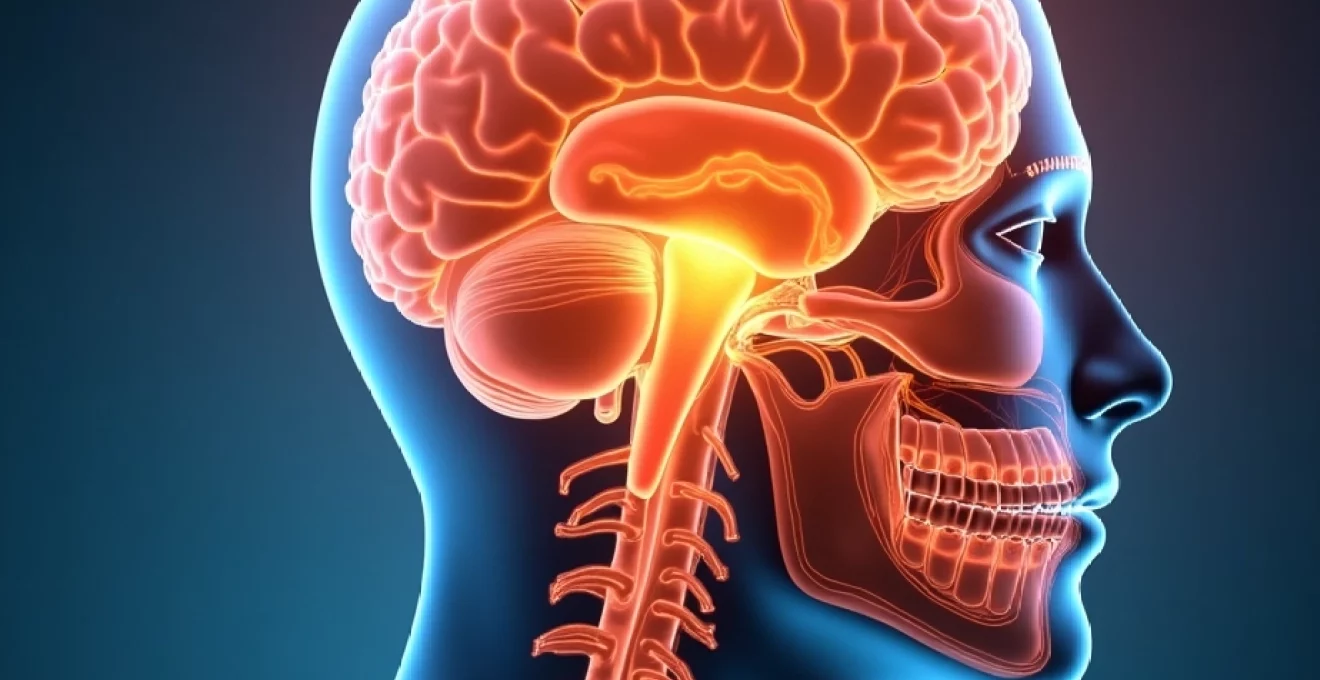
A burning sensation inside the head represents one of the most distressing neurological symptoms patients can experience. This uncomfortable feeling, often described as an intense warmth or fiery pain within the cranium, can manifest across various regions of the head and may indicate underlying pathological processes requiring immediate medical attention. Unlike typical headaches, intracranial burning sensations often present with unique characteristics that distinguish them from conventional cephalic pain patterns.
The complexity of head and neck anatomy means that burning sensations can originate from multiple anatomical structures, including cranial nerves, blood vessels, meningeal layers, and brain parenchyma itself. Understanding the diverse aetiological factors behind these symptoms becomes crucial for healthcare professionals and patients alike, as early recognition can significantly impact treatment outcomes and prevent serious complications.
Neurological conditions causing intracranial burning sensations
Neurological disorders represent the most common underlying cause of burning head sensations, with nerve dysfunction creating abnormal sensory signals that the brain interprets as intense heat or burning pain. These conditions often involve damage to or irritation of specific cranial nerves, resulting in characteristic pain patterns that can help clinicians identify the affected neural pathways.
Trigeminal neuralgia and atypical facial pain manifestations
Trigeminal neuralgia stands as one of the most recognised causes of severe burning facial and head pain. This condition affects the trigeminal nerve, specifically its three main branches: the ophthalmic, maxillary, and mandibular divisions. When the ophthalmic branch becomes involved, patients frequently describe intense burning sensations across the forehead, temple, and upper eyelid regions.
The pathophysiology involves demyelination of trigeminal nerve fibres, often caused by vascular compression near the brainstem. This creates hyperexcitable nerve tissue that spontaneously generates abnormal pain signals, resulting in the characteristic sharp, electric shock-like episodes accompanied by persistent burning sensations. Classical trigeminal neuralgia typically presents with brief, intense episodes, whilst atypical presentations may involve more constant burning discomfort.
Recent research indicates that approximately 12-15 per 100,000 individuals develop trigeminal neuralgia annually, with women being affected 1.5 times more frequently than men. The condition typically emerges after age 50, though younger patients may develop secondary forms following trauma or underlying pathological processes.
Occipital neuralgia and cervicogenic headache pathophysiology
Occipital neuralgia represents another significant cause of burning head sensations, particularly affecting the posterior cranium and upper cervical regions. This condition involves irritation or inflammation of the greater, lesser, or third occipital nerves, which originate from the upper cervical spine and innervate the posterior scalp.
The burning sensation typically begins at the suboccipital region and radiates over the posterior scalp, sometimes extending to the vertex or temporal areas. Patients often describe the pain as starting with a sharp, stabbing quality that evolves into persistent burning discomfort. Cervicogenic headaches share similar anatomical pathways and can produce comparable burning sensations when upper cervical nerve roots become irritated.
Contributing factors include cervical spine arthritis, muscle tension, previous trauma, or prolonged poor posture. The condition affects approximately 3.2 per 100,000 individuals annually, with higher prevalence among those with occupational neck strain or previous cervical injuries. Diagnosis often requires careful examination of trigger points along the occipital ridge and assessment of neck mobility.
Multiple sclerosis demyelination and sensory dysesthesia
Multiple sclerosis frequently produces abnormal sensory symptoms, including burning sensations within the head and face. The demyelinating process affects white matter tracts responsible for sensory processing, creating dysesthesias that patients describe as burning, tingling, or electric-like sensations. These symptoms can affect any part of the head, often following no specific anatomical distribution.
The relapsing-remitting nature of MS means that burning sensations may appear during acute exacerbations and potentially resolve partially or completely during remission phases. However, some patients develop chronic sensory symptoms that persist between relapses. Brain lesions affecting the thalamus, brainstem, or sensory cortex are particularly likely to produce these altered sensations.
Studies suggest that approximately 40% of MS patients experience some form of altered sensation, with burning sensations representing a significant subset of these symptoms. The condition typically affects young adults, with initial symptoms appearing between ages 20-40 in most cases.
Post-herpetic neuralgia following herpes zoster ophthalmicus
Herpes zoster ophthalmicus can result in persistent post-herpetic neuralgia affecting the ophthalmic division of the trigeminal nerve. This condition produces severe burning sensations across the forehead, scalp, and periorbital regions, often accompanied by allodynia where light touch triggers intense pain responses.
The viral reactivation damages nerve fibres, creating chronic neuropathic pain that can persist for months or years following the initial infection. Post-herpetic neuralgia affects approximately 10-20% of patients following zoster infections, with higher rates among elderly individuals and those with initial severe pain during the acute phase.
Glossopharyngeal neuralgia and eagle syndrome complications
Although less common, glossopharyngeal neuralgia can produce burning sensations extending from the throat into the posterior head regions. This condition involves the ninth cranial nerve and may be associated with Eagle syndrome, where elongated styloid processes compress nearby neural structures.
Patients typically experience burning pain triggered by swallowing, speaking, or touching specific areas of the throat or ear. The pain can radiate to the temporal and occipital regions, creating a burning sensation that patients often find difficult to localise precisely.
Vascular pathologies and cerebrovascular burning pain
Vascular disorders represent serious potential causes of burning head sensations that require urgent medical evaluation. These conditions involve inflammation, obstruction, or abnormal dilation of blood vessels supplying the brain or surrounding structures. The vascular system’s intimate relationship with neural tissues means that vascular pathology can directly impact sensory processing and create abnormal pain sensations.
Temporal arteritis and giant cell arteritis inflammatory response
Giant cell arteritis, previously known as temporal arteritis, represents a systemic vasculitic condition primarily affecting large and medium-sized arteries in patients over 50 years of age. This inflammatory condition can produce intense burning sensations across the temporal regions, often accompanied by scalp tenderness and jaw claudication.
The inflammatory process affects the arterial wall, creating swelling and potential occlusion that can compromise blood supply to surrounding tissues. Patients frequently describe a deep, burning ache that worsens with chewing or touching the affected areas. Early recognition becomes critical as untreated giant cell arteritis can lead to permanent vision loss or stroke.
The annual incidence of giant cell arteritis ranges from 15-25 per 100,000 individuals over age 50, with women affected approximately twice as frequently as men.
Laboratory findings typically reveal elevated erythrocyte sedimentation rate (ESR) and C-reactive protein (CRP) levels. Temporal artery biopsy remains the gold standard for diagnosis, though negative results do not exclude the condition due to the segmental nature of arterial involvement.
Cerebral aneurysm expansion and subarachnoid haemorrhage warning signs
Expanding cerebral aneurysms can produce localised burning or pressure sensations as they compress surrounding neural structures. The anterior communicating artery and posterior communicating artery represent common aneurysm locations that may cause head pain before rupture occurs.
Subarachnoid haemorrhage typically presents with sudden, severe headache often described as “the worst headache of my life,” but smaller bleeds or warning leaks may produce more subtle burning sensations. The presence of blood within the subarachnoid space irritates meningeal layers and can create ongoing burning discomfort.
Approximately 6-8 per 100,000 individuals experience subarachnoid haemorrhage annually, with peak incidence occurring between ages 40-60. Immediate medical evaluation becomes essential when burning head sensations accompany other neurological symptoms such as neck stiffness, photophobia, or altered consciousness.
Carotid artery dissection and vertebral artery syndrome
Arterial dissection involves separation of arterial wall layers, creating false lumens that can compromise blood flow and stimulate pain receptors within vessel walls. Carotid dissection may produce burning sensations along the neck and temporal regions, often accompanied by facial pain or Horner’s syndrome.
Vertebral artery dissection can create burning sensations in the occipital and posterior cervical regions, sometimes accompanied by dizziness or visual disturbances. These conditions may occur spontaneously or follow seemingly minor trauma such as chiropractic manipulation or sudden neck movements.
Reversible cerebral vasoconstriction syndrome (RCVS) pathogenesis
RCVS represents a group of disorders characterised by reversible vasoconstriction of cerebral arteries, often producing severe headaches with burning or thunderclap characteristics. The condition can occur spontaneously or be triggered by medications, particularly sympathomimetic agents or selective serotonin reuptake inhibitors.
Patients typically experience recurrent episodes of severe head pain over several weeks, with burning sensations that may be accompanied by neurological deficits. Neuroimaging studies reveal characteristic “string of beads” appearance on cerebral angiography, though initial studies may appear normal.
Infectious and inflammatory intracranial processes
Infectious and inflammatory conditions affecting the central nervous system can produce burning head sensations through direct tissue inflammation or secondary effects on neural structures. These conditions often present with additional systemic symptoms that help distinguish them from purely neurological causes. Early recognition and treatment are crucial as many infectious processes can rapidly progress to life-threatening complications.
Meningitis bacterial and viral meningeal irritation
Meningitis involves inflammation of the protective membranes surrounding the brain and spinal cord, creating intense irritation that patients often describe as burning pain throughout the head. Bacterial meningitis represents a medical emergency requiring immediate antibiotic treatment, whilst viral meningitis typically follows a more benign course but can still produce significant discomfort.
The inflammatory response affects pain-sensitive meningeal structures, creating diffuse burning sensations accompanied by neck stiffness, photophobia, and fever. Bacterial pathogens such as Streptococcus pneumoniae, Neisseria meningitidis, and Haemophilus influenzae represent common causative organisms in different age groups.
Annual incidence rates vary significantly by pathogen and population, with bacterial meningitis affecting approximately 2-5 per 100,000 individuals in developed countries. Mortality rates range from 5-40% depending on the causative organism and time to treatment initiation.
Encephalitis viral parenchymal inflammation patterns
Encephalitis involves direct inflammation of brain parenchyma, often producing more complex burning sensations that may be accompanied by altered mental status, seizures, or focal neurological deficits. Herpes simplex virus represents the most common sporadic cause, typically affecting the temporal lobes and creating characteristic clinical presentations.
The inflammatory process can affect sensory processing centres directly, creating abnormal pain sensations that patients struggle to describe accurately. Early antiviral treatment can significantly improve outcomes, particularly for herpes simplex encephalitis where delayed treatment often results in permanent neurological sequelae.
Herpes simplex encephalitis affects approximately 2-4 per million individuals annually, with mortality rates of 70% in untreated cases dropping to 20-30% with appropriate antiviral therapy.
Sinusitis sphenoid and ethmoid extension to cranial cavity
Severe sinusitis, particularly involving the sphenoid or ethmoid sinuses, can produce burning sensations that seem to originate from deep within the head. The proximity of these sinuses to important neural and vascular structures means that inflammation can affect surrounding tissues and create referred pain patterns.
Sphenoid sinusitis often produces deep, burning pain behind the eyes or in the vertex region, whilst ethmoid involvement may create burning sensations across the nasal bridge and frontal regions. Complicated sinusitis with intracranial extension represents a serious condition requiring urgent surgical intervention.
Dental abscess maxillary molar root infection spread
Dental abscesses, particularly involving upper molars, can create referred burning sensations that patients localise to the temporal or maxillary regions of the head. The close anatomical relationship between dental structures and branches of the trigeminal nerve means that odontogenic infections can produce pain patterns similar to neurological conditions.
Maxillary molar infections can extend into the maxillary sinus, creating additional inflammatory responses that compound the burning sensations. Early dental evaluation becomes crucial when burning head pain accompanies dental symptoms such as temperature sensitivity or localised swelling.
Medication-induced and Substance-Related cephalic burning
Medication-induced burning head sensations represent an often-overlooked cause of intracranial discomfort that can develop through various pharmacological mechanisms. These symptoms may result from direct neurotoxic effects, withdrawal syndromes, or medication overuse patterns that sensitise pain pathways. Understanding the temporal relationship between medication use and symptom onset becomes crucial for accurate diagnosis and appropriate management.
Medication overuse headache affects millions of individuals worldwide and can transform episodic headache patterns into chronic daily symptoms accompanied by burning sensations. Commonly implicated medications include analgesics, triptans, ergotamine derivatives, and combination preparations containing caffeine. The pathophysiology involves central sensitisation processes that lower pain thresholds and create abnormal sensory processing.
Withdrawal from certain medications, particularly benzodiazepines, barbiturates, or chronic opioid use, can produce intense burning head sensations as part of a broader withdrawal syndrome. These symptoms typically emerge within hours to days of medication discontinuation and may persist for weeks depending on the agent involved and duration of previous use.
Specific medications known to cause burning head sensations include certain antibiotics (particularly fluoroquinolones), chemotherapy agents, antiretroviral medications, and some psychiatric medications. Peripheral neuropathy medications paradoxically can sometimes worsen sensory symptoms before improvement occurs, a phenomenon known as treatment-emergent symptoms.
Substance abuse, including alcohol, cocaine, or amphetamines, can produce burning head sensations through various mechanisms including direct neurotoxicity, vascular effects, or withdrawal phenomena. Chronic alcohol use can lead to peripheral neuropathy that occasionally affects cranial nerves, whilst stimulant abuse can cause cerebral vasospasm resulting in burning pain patterns.
Studies indicate that medication overuse headache affects approximately 1-2% of the general population, with women affected three times more frequently than men, particularly in the reproductive age group.
Psychological and psychosomatic burning head sensations
Psychological factors can contribute significantly to burning head sensations through complex interactions between stress, anxiety, and pain processing systems. Chronic stress activates the hypothalamic-pituitary-adrenal axis, leading to increased cortisol production and inflammation that can sensitise pain pathways throughout the nervous system. This physiological response can manifest as burning sensations that feel entirely physical despite having psychological triggers.
Anxiety disorders frequently present with somatic symptoms including burning head sensations, particularly in patients with panic disorder or generalised anxiety. The sympathetic nervous system activation associated with anxiety states can produce vasoconstriction and muscle tension that contribute to abnormal sensory experiences. Somatisation disorders specifically involve the presentation of physical symptoms without identifiable organic causes, though the patient’s distress remains entirely genuine.
Depression, particularly severe episodes, can alter pain perception through changes in neurotransmitter systems including serotonin, norepinephrine, and dopamine. These chemical imbalances can lower pain thresholds and create abnormal sensory processing that manifests as burning sensations. The
bidirectional relationship between depression and chronic pain means that burning head sensations can both contribute to and result from depressive episodes, creating challenging cycles that require comprehensive treatment approaches.
Post-traumatic stress disorder (PTSD) can produce various somatic symptoms including burning sensations in the head, particularly when trauma involved head or neck injuries. The hypervigilance and altered stress responses characteristic of PTSD can amplify normal sensory input, making patients more aware of subtle physical sensations that might otherwise go unnoticed. Conversion disorders represent another psychological mechanism where emotional distress manifests as physical symptoms, including burning head sensations, without conscious awareness of the psychological connection.
Cognitive-behavioural therapy has demonstrated effectiveness in managing psychosomatic symptoms by helping patients understand the connection between thoughts, emotions, and physical sensations. Mindfulness-based interventions and stress reduction techniques can help modulate the pain processing systems that contribute to burning head sensations, whilst addressing underlying psychological factors that may perpetuate symptoms.
Research indicates that approximately 60-70% of patients with chronic head pain have comorbid anxiety or depression, highlighting the importance of comprehensive psychological assessment in burning head sensation evaluations.
Diagnostic imaging and laboratory investigation protocols
Comprehensive evaluation of burning head sensations requires a systematic approach combining clinical assessment with appropriate diagnostic studies. The selection of imaging modalities and laboratory investigations depends heavily on clinical presentation, associated symptoms, and suspected underlying pathology. Initial assessment should focus on identifying red flag symptoms that suggest serious underlying conditions requiring urgent intervention.
Magnetic resonance imaging (MRI) represents the gold standard for evaluating intracranial pathology that might cause burning sensations. Brain MRI with and without contrast can identify structural lesions, inflammatory processes, vascular abnormalities, and demyelinating conditions. Diffusion-weighted imaging sequences prove particularly valuable for detecting acute ischemic changes, whilst FLAIR sequences highlight inflammatory or infectious processes affecting the brain parenchyma or meninges.
Computed tomography (CT) scanning provides rapid assessment for acute conditions such as subarachnoid haemorrhage, intracranial haematoma, or mass lesions with significant mass effect. CT angiography can evaluate vascular pathology including aneurysms, arterial dissection, or stenotic lesions that might contribute to burning head sensations. The speed and availability of CT make it invaluable for emergency assessments when immediate intervention might be required.
Lumbar puncture becomes indicated when infectious or inflammatory conditions are suspected, particularly meningitis or encephalitis. Cerebrospinal fluid analysis can reveal elevated white cell counts, abnormal protein levels, or specific pathogens through culture or polymerase chain reaction testing. Opening pressure measurement during lumbar puncture can identify conditions such as idiopathic intracranial hypertension that might contribute to abnormal head sensations.
Laboratory investigations should include complete blood count to identify infectious processes or haematological abnormalities, comprehensive metabolic panel to assess for systemic conditions, and inflammatory markers including ESR and CRP when vasculitic conditions are suspected. Specific serological tests such as antinuclear antibodies, rheumatoid factor, or ANCA may be indicated based on clinical presentation and suspected autoimmune processes.
Nerve conduction studies and electromyography can help evaluate peripheral nerve function when conditions such as trigeminal neuralgia or occipital neuralgia are suspected. These studies can localise nerve dysfunction and assess the severity of involvement, guiding treatment decisions and prognosis discussions.
Advanced neuroimaging techniques, including functional MRI and positron emission tomography, are increasingly being utilised in research settings to better understand the neurophysiology of chronic pain conditions, though their clinical application remains limited for routine burning head sensation evaluation.
Temporal artery biopsy remains essential when giant cell arteritis is suspected, despite normal imaging studies. The segmental nature of arterial involvement means that negative biopsies can occur even in proven cases, requiring clinical correlation and sometimes repeat procedures. When performed, biopsies should be obtained promptly after corticosteroid initiation, as inflammatory changes can resolve rapidly with treatment.
Neuropsychological testing may prove valuable when cognitive symptoms accompany burning head sensations, particularly in cases where multiple sclerosis, encephalitis, or other central nervous system conditions are suspected. These assessments can identify subtle cognitive changes that might not be apparent during routine clinical examination but could provide important diagnostic clues.
The integration of clinical findings with appropriate diagnostic studies enables healthcare providers to develop comprehensive treatment plans that address both symptomatic relief and underlying pathological processes. Regular follow-up assessments help monitor treatment response and identify any progression that might require modification of therapeutic approaches. Understanding when burning head sensations represent benign conditions versus serious pathology ensures appropriate resource utilisation whilst maintaining patient safety through timely identification of conditions requiring urgent intervention.