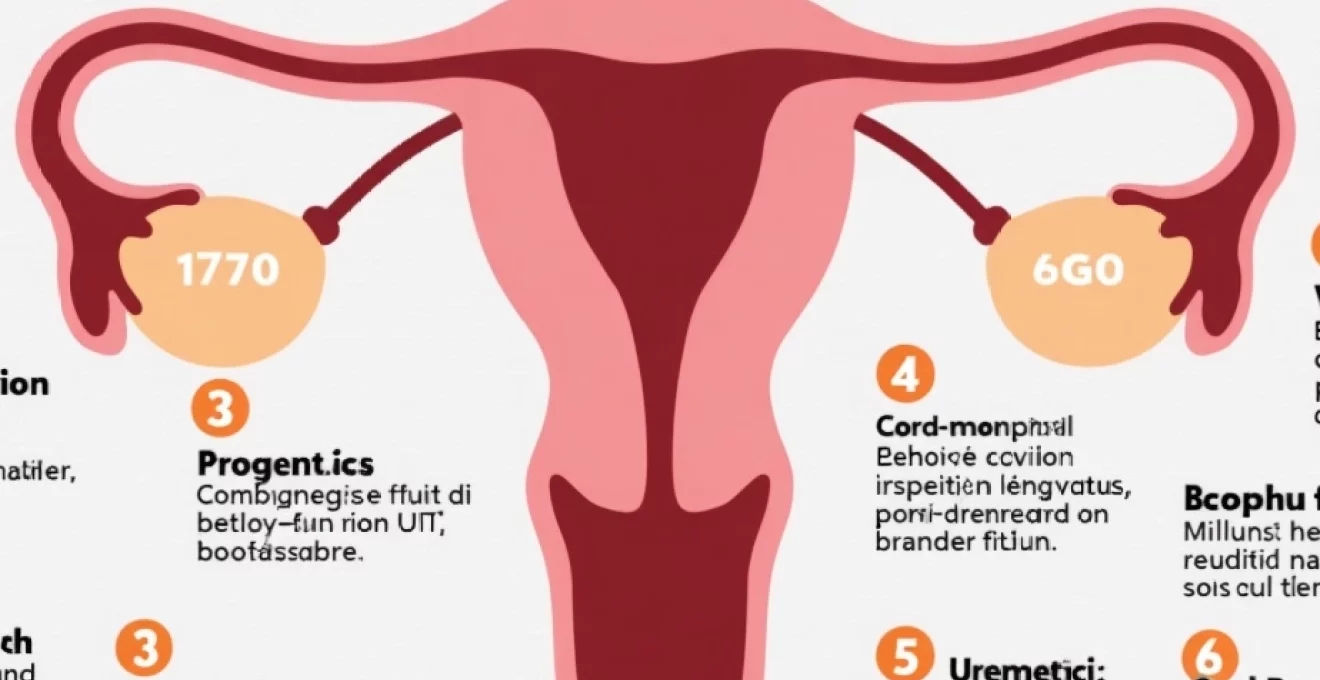
Frequent urination affects millions of women worldwide, and for many, the culprit might be hiding in their medicine cabinet. Contraceptive methods, particularly hormonal birth control, can significantly impact urinary function through complex mechanisms involving fluid balance, bladder sensitivity, and pelvic floor muscle dynamics. Understanding these connections proves essential for both healthcare providers and women experiencing unexpected changes in their urinary patterns after starting or switching contraceptive methods.
The relationship between contraception and urinary symptoms extends beyond simple coincidence. Research demonstrates that synthetic hormones found in birth control pills can influence everything from kidney function to bladder muscle contractility. These physiological changes may manifest as increased urinary frequency, urgency, or even episodes resembling urinary tract infections. Recognising these patterns empowers women to make informed decisions about their contraceptive choices whilst addressing potentially troublesome side effects.
Hormonal contraceptive mechanisms affecting urinary function
Hormonal contraceptives exert profound effects on the urinary system through multiple pathways that extend far beyond their primary reproductive functions. The synthetic oestrogen and progestogen compounds found in these medications interact with hormone receptors throughout the body, including those located within the kidneys, bladder, and surrounding pelvic structures. These interactions can fundamentally alter how the body processes fluids and responds to bladder filling sensations.
The endocrine disruption caused by artificial hormones affects the hypothalamic-pituitary-ovarian axis, which in turn influences antidiuretic hormone (ADH) production and kidney function. This cascade effect means that women may experience changes in urine concentration, volume, and elimination patterns that seem unrelated to their contraceptive use. The timing and severity of these effects often correlate with the specific formulation and dosage of hormones in different contraceptive products.
Oestrogen-induced fluid retention and bladder sensitivity
Synthetic oestrogen, particularly ethinylestradiol found in combined oral contraceptives, promotes sodium and water retention through its effects on the renin-angiotensin-aldosterone system. This mechanism, whilst contributing to the contraceptive’s efficacy, can lead to increased circulating blood volume and subsequent changes in kidney filtration rates. Women may notice that their urinary patterns shift during different phases of their pill pack, with symptoms often intensifying during the hormone-containing weeks.
The bladder wall contains oestrogen receptors that respond to both natural and synthetic hormones. When exposed to the consistently elevated levels found in contraceptive formulations, these receptors can trigger increased sensitivity to bladder filling. This hypersensitivity manifests as urinary urgency even when the bladder contains relatively small volumes of urine, creating a sensation of needing to urinate more frequently than normal.
Progestogen effects on detrusor muscle contractility
Progestogens, the synthetic versions of natural progesterone, significantly impact the detrusor muscle that lines the bladder wall. Different progestogen types exhibit varying degrees of androgenic, anti-androgenic, and glucocorticoid activities, each influencing bladder function through distinct mechanisms. These compounds can alter smooth muscle contractility patterns, potentially leading to inefficient bladder emptying or premature contractions that trigger urgency sensations.
The interaction between progestogens and bladder muscle function becomes particularly relevant in progestogen-only contraceptives, where the absence of oestrogen removes its modulatory effects on smooth muscle function. Women using progestogen-only pills, implants, or injections may experience different urinary symptoms compared to those using combined formulations, highlighting the importance of understanding each hormone’s individual contribution to urological side effects.
Combined oral contraceptives vs Progestogen-Only pills: urological impact
The urological impact varies significantly between combined oral contraceptives and progestogen-only formulations, reflecting the complex interplay between oestrogen and progestogen in bladder function regulation. Combined pills typically produce more pronounced fluid retention effects due to oestrogen’s influence on electrolyte balance, whilst progestogen-only methods may cause different patterns of urinary symptoms related to smooth muscle function changes.
Research indicates that women using combined contraceptives report urgency-type incontinence more frequently than those using progestogen-only methods. However, progestogen-only users may experience different challenges, including incomplete bladder emptying sensations or changes in urinary stream characteristics. These differences underscore the importance of considering individual hormone sensitivities when selecting contraceptive methods for women with existing urological concerns.
Drospirenone’s diuretic properties in yasmin and yaz formulations
Drospirenone, a synthetic progestogen with anti-mineralocorticoid properties, creates unique urological effects in contraceptives like Yasmin and Yaz. Unlike other progestogens, drospirenone acts as a mild diuretic, potentially counteracting some of the fluid retention effects typically associated with oestrogen. This mechanism can result in paradoxical urinary symptoms, where women experience both increased urine production and bladder sensitivity simultaneously.
The diuretic action of drospirenone affects potassium retention and can influence overall electrolyte balance, potentially leading to changes in urine concentration and volume. Women using drospirenone-containing contraceptives may notice fluctuations in their urinary patterns that correlate with their menstrual cycle phases, particularly during the hormone-free interval when diuretic effects may be more pronounced due to relative hormone withdrawal.
Non-hormonal contraceptive methods and urinary symptoms
Non-hormonal contraceptive methods present their own unique set of urinary complications, often through mechanical rather than biochemical pathways. These methods, including copper intrauterine devices, barrier methods, and spermicides, can affect urinary function through direct physical effects on pelvic anatomy or chemical irritation of urogenital tissues. Understanding these mechanisms proves crucial for women seeking contraceptive alternatives who wish to avoid hormonal side effects.
The mechanical nature of many non-hormonal contraceptives means that their urological effects often manifest differently from hormonal methods. Rather than systemic changes in fluid balance or smooth muscle function, these methods typically cause localised irritation, pressure effects, or alterations in the normal microbial environment of the urogenital tract. These changes can predispose women to urinary tract infections or create symptoms that mimic infectious processes.
Copper IUD insertion trauma and Post-Procedural urgency
Copper intrauterine device insertion involves threading the device through the cervical canal and positioning it within the uterine cavity, a process that can cause temporary inflammation and tissue trauma. This mechanical disruption of normal pelvic anatomy can trigger neurogenic responses that affect bladder function for several weeks following insertion. The proximity of the uterus to the bladder means that uterine inflammation or irritation can directly influence bladder sensitivity through shared nerve pathways.
The copper ions released by these devices create a localised inflammatory response designed to prevent fertilisation, but this same inflammatory process can affect nearby structures including the bladder wall. Women may experience increased urinary frequency, urgency, or pelvic pressure sensations during the initial adjustment period. These symptoms typically resolve as tissues adapt to the device presence, though some individuals may experience persistent low-level irritation.
Barrier methods: diaphragm pressure on urethra and bladder neck
Diaphragms and cervical caps, whilst effective barrier contraceptives, can exert mechanical pressure on surrounding pelvic structures when properly positioned. The diaphragm’s placement against the posterior vaginal wall positions its anterior edge near the urethra and bladder neck, potentially affecting normal urinary flow dynamics. This pressure can impede complete bladder emptying or create sensations of urinary obstruction, particularly in women with smaller pelvic dimensions or those using incorrectly sized devices.
Prolonged use of barrier methods can lead to chronic pressure effects that may contribute to recurrent urinary tract infections through incomplete bladder emptying. The mechanical obstruction prevents the normal flushing action of complete urination, allowing bacteria to accumulate in residual urine. Additionally, the repeated insertion and positioning of these devices can introduce bacteria into the urogenital tract, further increasing infection risk.
Spermicide chemical irritation: nonoxynol-9 and UTI risk
Nonoxynol-9, the most commonly used spermicidal agent, disrupts cell membranes to immobilise sperm but can also damage the protective epithelial lining of the vagina and urethra. This chemical irritation creates microscopic breaks in tissue integrity, providing entry points for pathogenic bacteria whilst simultaneously disrupting the normal protective microbial environment. The result is a significantly increased risk of urinary tract infections, particularly with frequent or prolonged use.
The mechanism of nonoxynol-9 irritation extends beyond simple chemical burns to include disruption of normal vaginal flora. This disruption allows potentially pathogenic organisms to proliferate and ascend the urinary tract more easily. Women using spermicides regularly may notice patterns of recurrent cystitis that correlate with sexual activity and contraceptive use, highlighting the importance of recognising this connection for appropriate treatment and prevention strategies.
Clinical differentiation: Contraceptive-Related vs pathological urinary frequency
Distinguishing between contraceptive-induced urinary symptoms and pathological conditions requires careful clinical assessment and detailed history-taking. The temporal relationship between contraceptive initiation and symptom onset provides crucial diagnostic clues, though this correlation isn’t always immediately apparent due to the gradual nature of many hormonal effects. Healthcare providers must consider multiple factors including contraceptive type, duration of use, concurrent medications, and individual risk factors for urological diseases.
The complexity of this differentiation lies in the overlap between contraceptive side effects and common urological conditions such as urinary tract infections, interstitial cystitis, or overactive bladder syndrome. Many women experience symptoms that could reasonably be attributed to either cause, making systematic evaluation essential. The key lies in recognising specific patterns and characteristics that distinguish contraceptive-related symptoms from primary urological pathology.
Temporal correlation between contraceptive initiation and symptom onset
The timeline of symptom development relative to contraceptive initiation provides valuable diagnostic information, though hormonal effects may manifest immediately or develop gradually over months of use. Acute symptoms appearing within days or weeks of starting a new contraceptive method strongly suggest a causal relationship, whilst symptoms developing after months of stable use may indicate either cumulative hormonal effects or coincidental urological pathology requiring separate evaluation.
Careful documentation of symptom progression helps establish causality and guide treatment decisions. Women may notice that their urinary symptoms fluctuate with their contraceptive cycle, becoming more pronounced during certain phases of hormone exposure. This cyclical pattern strongly suggests hormonal causation rather than infectious or anatomical causes, which typically produce more consistent symptom patterns unrelated to contraceptive timing.
Distinguishing hormonal polyuria from interstitial cystitis
Hormonal polyuria, characterised by increased urine production due to contraceptive effects on fluid balance, presents differently from interstitial cystitis, which involves chronic bladder wall inflammation. Women with hormonal polyuria typically produce larger volumes of urine with relatively normal bladder sensations, whilst interstitial cystitis patients experience painful urgency with small-volume urination. The quality of symptoms—particularly the presence or absence of pain—provides important diagnostic distinction.
The response to contraceptive discontinuation offers another differentiating factor. Hormonal polyuria typically improves within weeks of stopping the offending contraceptive method, whilst interstitial cystitis symptoms persist regardless of contraceptive status. However, some women may have both conditions simultaneously, complicating the clinical picture and requiring comprehensive urological evaluation to establish appropriate treatment priorities.
Urinalysis findings: specific gravity changes in hormonal users
Urinalysis results in women using hormonal contraceptives often reveal characteristic patterns of specific gravity changes reflecting altered fluid balance and kidney function. Hormonal effects on antidiuretic hormone and aldosterone can result in consistently dilute urine with low specific gravity values, even in the absence of excessive fluid intake. These findings, when combined with normal microscopic examination results, suggest hormonal rather than pathological causes for urinary symptoms.
The absence of inflammatory markers such as white blood cells, bacteria, or nitrites in repeated urine samples from women with contraceptive-related symptoms helps exclude infectious causes. However, the interpretation must consider that some women may develop secondary urinary tract infections due to contraceptive-induced changes in urogenital flora or incomplete bladder emptying, necessitating careful correlation between laboratory findings and clinical presentation.
Cystometric studies: bladder capacity variations with contraceptive use
Urodynamic testing in women using hormonal contraceptives may reveal subtle but significant changes in bladder capacity, compliance, and sensation thresholds. These objective measurements can demonstrate reduced functional bladder capacity or increased bladder sensitivity that correlates with reported symptoms. The pattern of changes—particularly early first sensation with normal maximum capacity—suggests hormonal hypersensitivity rather than structural bladder pathology.
Cystometric findings may also reveal altered detrusor muscle activity patterns in response to different progestogen types. Some formulations appear to increase detrusor overactivity, whilst others may reduce contractility efficiency. These findings provide objective validation of patient symptoms and can guide contraceptive selection for women requiring ongoing urological management.
Contraceptive-specific urological side effect profiles
Different contraceptive methods produce distinct patterns of urological side effects based on their specific mechanisms of action, hormone types, and delivery routes. Combined oral contraceptives typically cause fluid retention and bladder hypersensitivity, whilst long-acting reversible contraceptives may produce different effects due to their sustained hormone release patterns. Understanding these method-specific profiles enables healthcare providers to predict potential side effects and counsel patients appropriately about what to expect.
The severity and duration of urological side effects also vary significantly between different contraceptive formulations. Low-dose combined pills may produce minimal urinary changes, whilst higher-dose formulations or those containing specific progestogen types may cause more pronounced effects. Injectable contraceptives, with their prolonged hormone exposure patterns, often produce different side effect profiles compared to daily oral methods, reflecting the importance of both hormone type and delivery method in determining urological outcomes.
Long-acting reversible contraceptives such as implants and hormonal intrauterine devices create unique urological effect patterns due to their continuous hormone release over extended periods. The levonorgestrel-releasing intrauterine system, for example, may initially cause irregular bleeding patterns that can mask urinary symptoms, whilst the etonogestrel implant may produce different effects on bladder function due to its specific progestogen type and systemic absorption pattern.
Barrier methods combined with spermicides create the highest risk for recurrent urinary tract infections, whilst copper intrauterine devices may cause temporary urinary urgency following insertion. Emergency contraceptive pills, due to their high hormone doses, can cause acute but transient urinary symptoms that typically resolve within days of use. These method-specific patterns help guide both contraceptive selection and symptom management strategies.
Recent studies indicate that women using hormonal contraceptives have a 27% increased likelihood of developing urinary incontinence compared to non-users, with the risk increasing to 48% in those with more than 10 years of use.
Management strategies for Contraceptive-Induced urinary symptoms
Effective management of contraceptive-induced urinary symptoms requires a comprehensive approach that addresses both immediate symptom relief and long-term contraceptive needs. The first step involves confirming the relationship between contraceptive use and urinary symptoms through careful history-taking and, when necessary, therapeutic trials of contraceptive modification or discontinuation. This systematic approach helps establish causality whilst avoiding unnecessary disruption of effective contraception.
Conservative management strategies focus on lifestyle modifications that can minimise urinary symptoms whilst maintaining contraceptive efficacy. These interventions include optimising fluid intake patterns to avoid both dehydration and excessive dilution, implementing bladder training techniques to improve capacity and reduce urgency, and addressing contributing factors such as caffeine intake or concurrent medications that may exacerbate urinary symptoms.
Pharmacological interventions may prove beneficial for women experiencing severe symptoms who wish to continue their current contraceptive method. Anticholinergic medications can help reduce bladder hypersensitivity, whilst diuretics may paradoxically improve symptoms in women experiencing significant fluid retention. However, these approaches require careful monitoring to avoid adverse interactions with contraceptive efficacy or unwanted side effects that compound existing problems.
For women requiring contraceptive modification, systematic evaluation
of alternative contraceptive methods should prioritise hormone-free options for women with persistent urological symptoms. Copper intrauterine devices offer highly effective long-term contraception without hormonal effects on bladder function, though initial insertion-related symptoms must be monitored. Barrier methods combined with careful attention to hygiene and infection prevention can provide effective contraception whilst minimising urological complications.
Timing of contraceptive switches requires careful consideration to avoid both contraceptive gaps and symptom exacerbation. Women transitioning from hormonal to non-hormonal methods may experience a period of symptom improvement as hormonal effects resolve, typically occurring within 4-8 weeks of discontinuation. This transition period offers an opportunity to assess the true contribution of hormonal contraception to urinary symptoms and guide future contraceptive decisions.
Long-term urological outcomes and contraceptive discontinuation effects
The long-term urological consequences of prolonged contraceptive use remain an active area of research, with emerging evidence suggesting that extended exposure to synthetic hormones may produce lasting changes in bladder function and pelvic floor muscle coordination. Studies following women for decades after contraceptive discontinuation reveal that some urological effects may persist long after hormone levels return to normal, indicating potential structural or neurological adaptations that develop during prolonged exposure periods.
Recovery patterns following contraceptive discontinuation vary significantly among individuals, with some women experiencing rapid symptom resolution whilst others may require months or even years to achieve complete urological recovery. Factors influencing recovery time include duration of contraceptive use, specific hormone formulations used, individual hormone sensitivity, and concurrent pelvic floor dysfunction. Women who used contraceptives for more than five years may experience slower recovery rates compared to shorter-term users.
The phenomenon of post-contraceptive syndrome encompasses a constellation of symptoms that may persist after discontinuation, including altered bladder sensitivity, changed urinary frequency patterns, and increased susceptibility to urinary tract infections. This syndrome appears most common in women who used high-dose formulations or multiple different contraceptive methods over extended periods. Recognition of this syndrome helps healthcare providers counsel women about realistic expectations for symptom recovery timelines.
Long-term follow-up studies reveal interesting patterns in urological health outcomes among former contraceptive users. Some women report improved bladder function and reduced urinary symptoms years after discontinuation, suggesting that contraceptive-induced changes may mask underlying urological health improvements. Conversely, others may discover previously masked urological conditions that become apparent only after hormonal suppression ends, requiring new treatment approaches.
Research indicates that 15-20% of women may experience persistent urological changes for up to two years following hormonal contraceptive discontinuation, with symptoms gradually improving over time.
The implications for reproductive planning extend beyond immediate contraceptive concerns to encompass long-term pelvic health considerations. Women planning pregnancies after extended contraceptive use may benefit from preconception urological assessment, particularly if they experienced significant symptoms during contraceptive use. Pregnancy itself can affect bladder function, and pre-existing contraceptive-related changes may influence gestational urological symptoms and postpartum recovery patterns.
Prevention strategies for long-term urological complications focus on early recognition and management of contraceptive-related symptoms. Regular monitoring of urinary patterns during contraceptive use allows for timely intervention before persistent changes develop. Pelvic floor exercises, bladder training techniques, and lifestyle modifications implemented during contraceptive use may help preserve normal bladder function and reduce the risk of long-term complications.
Healthcare providers play a crucial role in educating women about potential long-term urological effects and establishing appropriate monitoring protocols. Regular urological screening for women using long-term contraception helps identify problems early and guides timely intervention strategies. This proactive approach can significantly reduce the risk of persistent complications and improve overall urological health outcomes throughout a woman’s reproductive years and beyond.