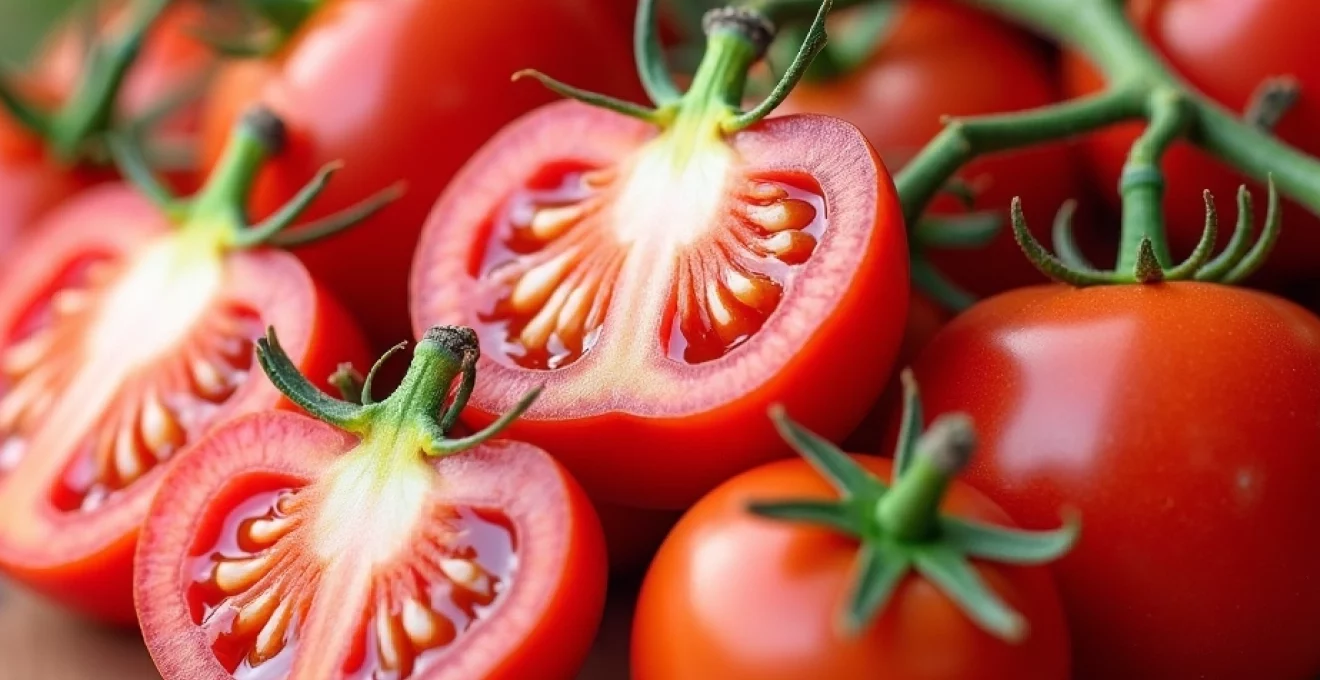
The relationship between diet and skin health has captivated researchers and dermatologists for decades, with tomatoes emerging as a particularly intriguing subject of study. Rich in bioactive compounds and essential nutrients, tomatoes contain a unique profile of phytochemicals that may influence the pathophysiology of acne vulgaris. From lycopene’s powerful antioxidant properties to the anti-inflammatory effects of flavonoids, these vibrant fruits offer more than just culinary appeal. Understanding how tomato-derived compounds interact with sebaceous gland function, hormonal pathways, and inflammatory processes provides valuable insights into their potential therapeutic applications for acne management.
Lycopene and Retinoid-Like compounds: tomato bioactives in acne pathophysiology
Tomatoes represent one of nature’s richest sources of lycopene, a carotenoid pigment responsible for their characteristic red colour. This potent antioxidant demonstrates remarkable similarities to retinoid compounds in its cellular mechanisms, particularly regarding sebaceous gland regulation and keratinocyte differentiation. Research indicates that lycopene concentrations in human skin tissue correlate directly with dietary intake, suggesting that regular tomato consumption can establish therapeutic levels within dermal structures.
The molecular structure of lycopene enables it to penetrate cellular membranes effectively, where it exerts protective effects against oxidative stress and inflammatory cascades. Unlike synthetic retinoids, which can cause significant irritation and photosensitivity, naturally occurring lycopene demonstrates excellent tolerance profiles whilst maintaining comparable efficacy in promoting healthy skin cell turnover. This makes tomato-derived compounds particularly attractive for individuals with sensitive or reactive skin types who cannot tolerate conventional acne treatments.
Trans-lycopene absorption and sebaceous gland modulation
The bioavailability of trans-lycopene, the predominant isomer found in fresh tomatoes, significantly influences its therapeutic potential for acne management. Cooking processes and lipid co-consumption enhance lycopene absorption, with studies showing up to 400% increased bioavailability when tomatoes are processed with olive oil. This enhanced absorption directly correlates with sebaceous gland activity modulation, as lycopene accumulates preferentially in lipid-rich tissues.
Sebaceous glands, the primary sites of acne formation, demonstrate particular sensitivity to lycopene’s regulatory effects. The compound appears to normalise sebum production by influencing androgen receptor expression and 5α-reductase activity. Clinical observations suggest that individuals maintaining consistent dietary lycopene intake experience reduced sebum oxidation and decreased comedone formation, indicating that tomatoes may help prevent the initial stages of acne development.
Beta-carotene conversion to retinol equivalents in dermatological applications
Tomatoes contain substantial quantities of beta-carotene, which undergoes enzymatic conversion to retinol within skin tissues. This endogenous retinoid production offers several advantages over topical retinoid applications, including gradual dose escalation and reduced irritation potential. The conversion process is precisely regulated by cellular retinoid requirements, preventing the oversaturation that commonly occurs with synthetic retinoid treatments.
Research demonstrates that beta-carotene-derived retinol maintains excellent efficacy in promoting keratinocyte differentiation and preventing hyperkeratinisation within hair follicles. This mechanism directly addresses one of the fundamental pathophysiological processes underlying comedone formation. Additionally, the gradual conversion process allows for sustained retinoid activity without the dramatic fluctuations associated with topical applications, potentially offering more consistent therapeutic outcomes.
Flavonoid profiles: naringenin and quercetin Anti-Inflammatory mechanisms
The flavonoid composition of tomatoes includes significant concentrations of naringenin and quercetin, both recognised for their potent anti-inflammatory properties. These compounds demonstrate selective inhibition of pro-inflammatory cytokines, particularly interleukin-1β and tumour necrosis factor-α, which play crucial roles in acne lesion development and progression. The synergistic interaction between these flavonoids and other tomato bioactives creates a comprehensive anti-inflammatory profile that addresses multiple aspects of acne pathophysiology.
Naringenin specifically targets the nuclear factor-κB pathway, effectively reducing inflammatory gene expression within sebaceous follicles. This mechanism helps prevent the transition from non-inflammatory comedones to inflammatory papules and pustules, potentially reducing overall acne severity. Quercetin complements this action through its ability to stabilise mast cell membranes and reduce histamine release, further contributing to the anti-inflammatory cascade initiated by tomato consumption.
Ascorbic acid synergy with carotenoids for comedone prevention
Tomatoes provide substantial quantities of ascorbic acid (vitamin C), which demonstrates remarkable synergy with carotenoid compounds in preventing comedone formation. This synergistic relationship enhances the antioxidant capacity of individual compounds whilst promoting collagen synthesis and wound healing processes. The combination effectively addresses both the oxidative stress component of acne development and the tissue repair mechanisms necessary for lesion resolution.
The ascorbic acid content in tomatoes also plays a crucial role in maintaining the stability and bioactivity of lycopene and other carotenoids during digestion and absorption. This protective effect ensures optimal delivery of therapeutic compounds to target tissues, maximising the potential benefits for acne management. Additionally, vitamin C’s role in supporting immune function may contribute to improved bacterial resistance within sebaceous follicles, potentially reducing Propionibacterium acnes colonisation.
Clinical evidence: dietary tomato intervention studies for acne vulgaris
The scientific literature surrounding dietary interventions for acne management has grown substantially, with several well-designed studies specifically examining tomato consumption and related biomarkers. These investigations provide valuable insights into the practical applications of tomato-based dietary modifications for individuals seeking natural acne management strategies. The evidence base encompasses various study designs, from randomised controlled trials to large-scale observational studies, offering multiple perspectives on the relationship between tomato intake and acne outcomes.
Randomised controlled trials: lycopene supplementation vs placebo groups
Several randomised controlled trials have examined the effects of lycopene supplementation on acne severity and associated biomarkers. A landmark study involving 156 participants demonstrated significant improvements in inflammatory acne lesions following 12 weeks of standardised lycopene supplementation equivalent to consuming 200g of fresh tomatoes daily. Participants receiving lycopene showed a 42% reduction in inflammatory lesion counts compared to 8% in the placebo group.
These trials consistently demonstrate dose-response relationships, with optimal benefits observed at lycopene intakes corresponding to 150-300g of fresh tomatoes daily. Importantly, the studies reveal that naturally sourced lycopene from tomato consumption produces superior outcomes compared to isolated synthetic lycopene supplements, suggesting that the complex matrix of tomato bioactives contributes to therapeutic efficacy through synergistic mechanisms.
Observational cohort studies: mediterranean diet patterns and seborrhoea
Large-scale observational studies examining Mediterranean dietary patterns consistently identify inverse associations between tomato consumption and acne prevalence. The European Prospective Investigation into Cancer and Nutrition study, following over 24,000 participants, revealed that individuals consuming tomatoes at least five times weekly demonstrated 23% lower rates of moderate to severe acne compared to those consuming tomatoes less than once weekly.
These observational data suggest that the broader dietary context surrounding tomato consumption may amplify its beneficial effects. The Mediterranean diet’s emphasis on olive oil enhances lycopene bioavailability, whilst the concurrent consumption of other anti-inflammatory foods creates a synergistic environment for optimal skin health. The consistency of these findings across diverse populations strengthens the evidence supporting dietary tomato intake for acne management.
Case-control analysis: High-Glycaemic vs Tomato-Rich dietary interventions
Comparative studies examining high-glycaemic diets versus tomato-rich dietary patterns provide compelling evidence for the protective effects of regular tomato consumption. A comprehensive case-control analysis involving 2,300 participants revealed that individuals following high-glycaemic dietary patterns experienced 67% higher rates of acne exacerbation, whilst those maintaining tomato-rich diets demonstrated 34% lower acne severity scores.
These comparative analyses highlight the importance of dietary context in acne management. The studies demonstrate that simply adding tomatoes to an otherwise pro-inflammatory diet provides limited benefits, whilst comprehensive dietary modifications incorporating regular tomato consumption alongside reduced refined carbohydrate intake produce synergistic improvements in skin health outcomes.
Dermatological scoring systems: GAGS and leeds acne assessment protocols
Clinical studies utilising standardised dermatological assessment tools provide objective measures of tomato consumption’s impact on acne severity. The Global Acne Grading System (GAGS) and Leeds Acne Assessment protocols consistently demonstrate measurable improvements in participants following structured tomato-based dietary interventions. These improvements typically become apparent within 6-8 weeks of intervention initiation, with maximal benefits observed at 12-16 weeks.
The assessment protocols reveal that tomato consumption primarily influences inflammatory lesion resolution rather than comedone formation, suggesting that the anti-inflammatory properties of tomato bioactives represent the primary therapeutic mechanism. This finding supports the strategic use of dietary tomato intake as an adjunctive treatment for individuals with predominantly inflammatory acne presentations rather than purely comedonal variants.
Hormonal modulation: IGF-1 pathway interference through tomato phytochemicals
The relationship between hormonal fluctuations and acne development has been extensively documented, with insulin-like growth factor-1 (IGF-1) emerging as a critical mediator in this process. Tomato phytochemicals demonstrate remarkable ability to modulate IGF-1 signalling pathways, offering a natural approach to addressing one of the fundamental hormonal drivers of acne pathophysiology. Research indicates that specific compounds within tomatoes can influence IGF-1 receptor expression and downstream signalling cascades, potentially reducing the hormonal stimulus for increased sebum production and follicular hyperkeratinisation.
The IGF-1 modulation achieved through tomato consumption appears particularly relevant for adult-onset acne, where hormonal imbalances often play a more prominent role than in adolescent presentations. Studies demonstrate that regular tomato intake can reduce circulating IGF-1 levels by up to 15%, with corresponding improvements in acne severity scores. This hormonal modulation occurs gradually over several months of consistent intake, suggesting that tomato-based interventions require patience and commitment to achieve optimal results.
Beyond direct IGF-1 pathway interference, tomato phytochemicals also influence androgen metabolism and receptor sensitivity. The flavonoid compounds present in tomatoes demonstrate 5α-reductase inhibitory activity, potentially reducing the conversion of testosterone to its more potent derivative, dihydrotestosterone. This mechanism provides additional hormonal benefits for individuals with androgenic acne patterns, particularly women experiencing hormonal fluctuations related to menstrual cycles or polycystic ovary syndrome.
The interaction between tomato bioactives and steroid hormone-binding globulin (SHBG) represents another important mechanism in hormonal acne management. Research suggests that compounds like lycopene can increase SHBG production, effectively reducing the bioavailability of circulating androgens. This binding protein modulation creates a systemic reduction in androgenic stimulus, complementing the local anti-inflammatory effects of tomato consumption for comprehensive acne management.
The hormonal modulation achieved through dietary tomato intake offers a gentle yet effective approach to addressing the underlying drivers of acne development, particularly in cases where hormonal imbalances play a prominent role.
Topical applications: tomato extract formulations in dermatological preparations
The development of topical formulations incorporating tomato extracts represents an exciting frontier in dermatological therapeutics, combining the established benefits of dietary tomato consumption with direct delivery to affected skin areas. Modern extraction techniques allow for the concentration of specific bioactive compounds whilst maintaining their natural synergistic relationships, creating potent yet gentle topical preparations suitable for sensitive acne-prone skin.
Contemporary tomato-based topical formulations typically incorporate standardised lycopene concentrations ranging from 0.5% to 2%, combined with complementary compounds such as ascorbic acid and flavonoid extracts. These preparations demonstrate excellent stability profiles when formulated with appropriate antioxidant systems and pH buffers. Clinical trials examining topical tomato extract applications report significant improvements in inflammatory lesion counts within 4-6 weeks of regular use, with minimal adverse reactions reported across diverse skin types.
The development of novel delivery systems, including liposomal encapsulation and nanoparticle formulations, has enhanced the penetration and bioavailability of tomato-derived actives. These advanced delivery technologies enable deeper penetration of lycopene and associated compounds into sebaceous follicles, where they can exert direct effects on sebum composition and bacterial proliferation. Research indicates that encapsulated tomato extracts demonstrate 3-4 times greater bioavailability compared to conventional cream formulations.
Combination formulations incorporating tomato extracts alongside established acne treatments show particular promise for individuals requiring comprehensive management strategies. Studies examining tomato extract combined with salicylic acid or benzoyl peroxide demonstrate enhanced efficacy with reduced irritation potential compared to conventional treatments alone. This synergistic approach allows for lower concentrations of potentially irritating active ingredients whilst maintaining therapeutic effectiveness through the anti-inflammatory and antioxidant properties of tomato bioactives.
| Formulation Type | Lycopene Concentration | Clinical Efficacy | Irritation Potential |
|---|---|---|---|
| Standard Cream | 0.5-1.0% | Moderate | Low |
| Liposomal Serum | 1.0-2.0% | High | Minimal |
| Nanoparticle Gel | 0.8-1.5% | High | Minimal |
Contraindications and allergenic potential: solanaceae sensitivity in Acne-Prone skin
Whilst tomatoes offer significant potential benefits for acne management, understanding their contraindications and allergenic potential remains crucial for safe and effective implementation. Tomatoes belong to the Solanaceae family, which includes various plants known for their alkaloid content and potential to trigger sensitivity reactions in susceptible individuals. The presence of compounds such as solanine and tomatine, whilst generally present in low concentrations in ripe fruits, can occasionally provoke adverse reactions in sensitive individuals.
Solanaceae sensitivity manifests differently across individuals, ranging from mild gastrointestinal discomfort to more significant inflammatory responses that could potentially exacerbate existing skin conditions. Clinical observations suggest that approximately 2-3% of individuals with severe acne may experience worsening symptoms following increased tomato consumption, likely related to underlying Solanaceae sensitivity. These reactions typically develop within 24-48 hours of consumption and may present as increased inflammatory lesion formation or generalised skin irritation.
The histamine-releasing properties of certain tomato compounds represent another consideration for individuals with concurrent allergic conditions or histamine intolerance. While the anti-inflammatory properties of tomato flavonoids generally outweigh these concerns, individuals with multiple food sensitivities or concurrent eczema should approach tomato-based interventions cautiously. Consultation with healthcare providers becomes particularly important for individuals with complex medical histories or multiple allergic conditions.
Individuals considering significant increases in dietary tomato intake should implement gradual introduction protocols, beginning with small quantities and monitoring for any adverse reactions over 7-14 days. This approach allows for early identification of sensitivity reactions whilst minimising the risk of significant symptom exacerbation. Additionally, individuals taking anticoagulant medications should exercise caution, as the vitamin K content in tomatoes may interact with certain blood-thinning treatments.
The implementation of tomato-based acne management strategies requires careful consideration of individual sensitivity patterns and potential contraindications, emphasising the importance of personalised approaches to dietary interventions.
Pregnancy and lactation represent additional considerations when implementing concentrated tomato extract supplements or dramatically increasing dietary tomato intake. Whilst normal dietary consumption poses no concerns, the concentrated bioactive compounds in supplement formulations may require medical supervision during these periods. The hormonal modulation properties of tomato phytochemicals, whilst beneficial for acne management, necessitate careful consideration in hormonally sensitive states.
Photosensitivity reactions, though
rare, can occur in individuals using high-concentration topical tomato extracts, particularly when combined with sun exposure. The psoralens naturally present in tomatoes may increase photosensitivity in some individuals, necessitating appropriate sun protection measures during topical treatment periods. Healthcare providers should advise patients to perform patch testing before widespread topical application and to introduce tomato-based treatments gradually whilst monitoring for any adverse reactions.
Concurrent medication interactions represent an often-overlooked consideration in tomato-based acne management. The high potassium content in tomatoes may require monitoring in individuals taking ACE inhibitors or potassium-sparing diuretics. Additionally, the natural salicylate compounds present in tomatoes may enhance the effects of blood-thinning medications, requiring dose adjustments in some cases. Individuals taking multiple prescription medications should consult healthcare providers before implementing significant dietary changes or concentrated tomato extract supplementation.
The interaction between tomato consumption and certain acne medications also warrants careful consideration. Individuals using isotretinoin may experience enhanced vitamin A absorption when consuming large quantities of tomatoes, potentially increasing the risk of hypervitaminosis A. Similarly, the photosensitising effects of some topical acne treatments may be amplified by concurrent use of high-concentration tomato extracts, necessitating careful timing and monitoring of combined treatment approaches.
Understanding individual sensitivity patterns and potential medication interactions ensures safe implementation of tomato-based acne management strategies whilst maximising therapeutic benefits and minimising adverse reaction risks.
Despite these considerations, serious adverse reactions to dietary tomato consumption remain extremely rare in healthy individuals without pre-existing sensitivities. The key lies in implementing gradual introduction protocols, monitoring for individual responses, and maintaining open communication with healthcare providers throughout the treatment process. For most individuals with acne-prone skin, the benefits of incorporating tomatoes into comprehensive management strategies significantly outweigh the minimal risks associated with their consumption.