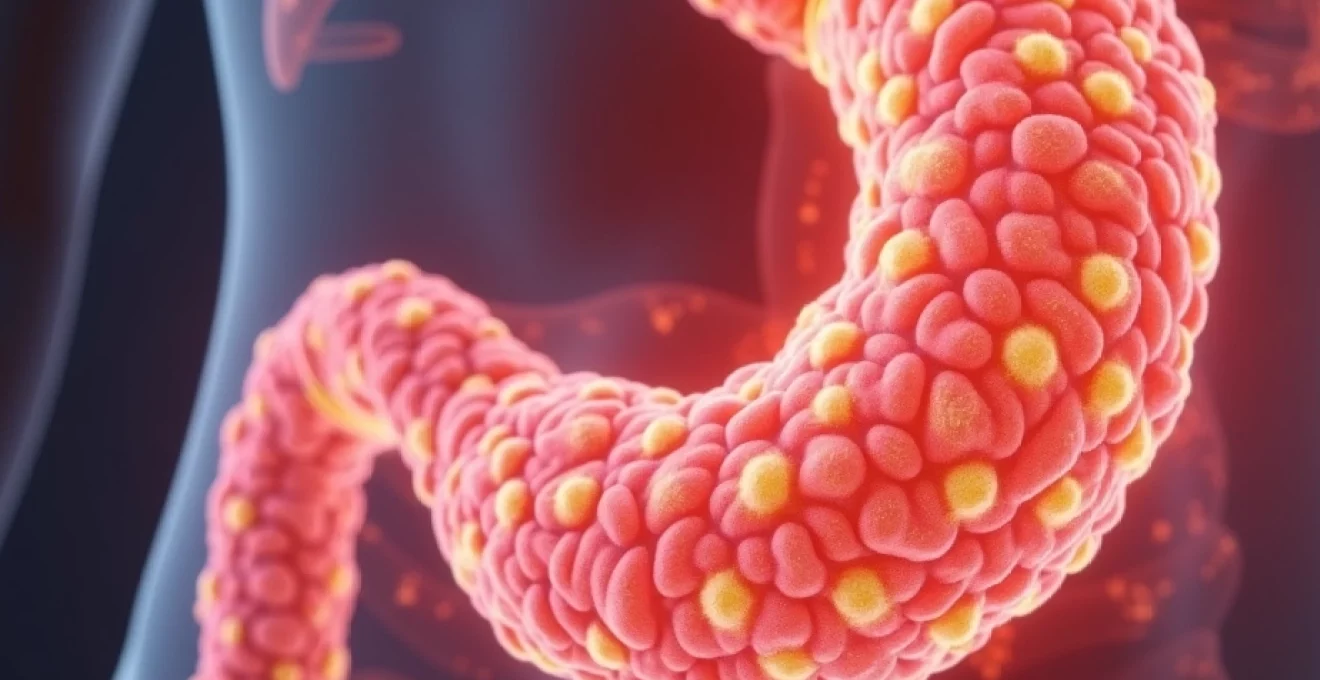
The sensation of bubbles popping in your stomach can be both disconcerting and uncomfortable, affecting millions of people worldwide. This peculiar feeling, medically termed borborygmi, occurs when gas and fluids move through the digestive tract, creating audible sounds and tactile sensations that many describe as bubbling, gurgling, or popping. While often harmless and temporary, these sensations can sometimes indicate underlying gastrointestinal conditions that warrant medical attention. Understanding the complex mechanisms behind stomach bubbling can help you determine when to seek professional care and how to manage these uncomfortable symptoms effectively.
Gastrointestinal motility disorders causing bubble sensations
Gastrointestinal motility refers to the coordinated muscle contractions that propel food and gas through your digestive system. When these movements become disrupted or irregular, they can trap gas in various sections of the intestines, leading to the characteristic bubble-popping sensations. Several specific motility disorders contribute significantly to these uncomfortable symptoms, each with distinct underlying mechanisms and treatment approaches.
Gastroparesis and delayed gastric emptying mechanisms
Gastroparesis represents a condition where stomach muscles fail to contract effectively, preventing normal food movement into the small intestine. This delayed gastric emptying allows food to ferment in the stomach for extended periods, producing excessive gas that creates pronounced bubbling sensations. The condition often stems from diabetes-related nerve damage, though autoimmune conditions and certain medications can also trigger gastroparesis. Patients frequently experience severe bloating, nausea, and the distinctive feeling of gas bubbles forming and bursting within their stomach cavity.
Irritable bowel syndrome with gas entrapment patterns
Irritable bowel syndrome affects approximately 10-15% of the global population, creating altered bowel motility patterns that frequently trap gas throughout the digestive tract. The irregular muscle contractions characteristic of IBS can create pockets where gas accumulates, leading to intense bubble sensations and abdominal discomfort. These contractions often occur in uncoordinated waves, preventing the normal flow of gas through the intestines and creating the sensation of bubbles popping as trapped air moves through narrowed or spastic sections of bowel.
Small intestinal bacterial overgrowth (SIBO) gas production
SIBO occurs when excessive bacteria colonise the small intestine, fermenting undigested food particles and producing large quantities of hydrogen and methane gas. This bacterial fermentation creates a continuous source of gas bubbles that can be felt moving through the small intestinal loops. The condition often develops following antibiotic use, gastric acid suppression, or structural abnormalities that slow intestinal transit. Patients with SIBO typically experience severe bloating within hours of eating, accompanied by distinctive bubble sensations as gas moves through the affected intestinal segments.
Functional dyspepsia and gastric accommodation dysfunction
Functional dyspepsia affects gastric accommodation, the stomach’s ability to relax and expand during meals. When this mechanism fails, the stomach cannot properly accommodate food volume, leading to increased pressure and enhanced sensitivity to normal gas presence. This heightened sensitivity makes even small amounts of gas feel like intense bubble sensations , particularly in the upper abdomen. The condition often coexists with gastroparesis and can significantly impact quality of life through persistent discomfort and early satiety.
Digestive gas formation and entrapment physiology
Understanding how gas forms and becomes trapped within the digestive system provides crucial insights into bubble sensations. The human digestive tract naturally contains approximately two litres of gas at any given time, consisting primarily of nitrogen, oxygen, carbon dioxide, hydrogen, and methane. This gas mixture originates from multiple sources and follows complex pathways through the gastrointestinal tract, sometimes becoming trapped in ways that create the uncomfortable bubble-popping sensations many people experience.
Aerophagia and excessive air swallowing mechanics
Aerophagia, or excessive air swallowing, contributes significantly to stomach bubble sensations by introducing large volumes of gas directly into the digestive system. This condition often develops unconsciously through rapid eating, chewing gum, drinking carbonated beverages, or psychological stress responses. The swallowed air must either be expelled through belching or travel through the entire digestive tract, sometimes becoming trapped in intestinal curves or areas of reduced motility. When trapped air moves through these areas, it creates the characteristic popping or bubbling sensations that can be both audible and tactile.
Bacterial fermentation in the colon and methane production
Colonic bacteria ferment undigested carbohydrates, proteins, and fibres, producing substantial quantities of gas through complex biochemical processes. This fermentation occurs continuously but intensifies after meals, particularly those containing fermentable substrates like beans, cruciferous vegetables, or high-fibre grains. The gas produced through bacterial fermentation consists primarily of hydrogen, carbon dioxide, and methane, with methane being particularly problematic as it can slow intestinal transit and increase the likelihood of gas entrapment. The resulting bubble sensations often occur several hours after eating as fermentation peaks in the colon.
Carbon dioxide generation from bicarbonate neutralisation
The neutralisation of stomach acid by pancreatic bicarbonate in the duodenum generates significant amounts of carbon dioxide gas. This chemical reaction occurs naturally during digestion but can produce excessive gas volumes in individuals with high gastric acid production or those taking acid-suppressing medications that create rebound hyperacidity. The carbon dioxide generated through this process often creates immediate post-meal bubble sensations as it moves through the small intestine, particularly noticeable in the upper abdominal region where the duodenum is located.
Visceral hypersensitivity and gas perception threshold
Visceral hypersensitivity significantly influences how bubble sensations are perceived, with some individuals experiencing intense discomfort from normal gas volumes that others wouldn’t notice. This heightened sensitivity often develops following gastrointestinal infections, chronic stress, or inflammatory conditions that sensitise intestinal nerve pathways. The threshold for perceiving gas movement becomes dramatically lowered , making even minor bubble movement feel uncomfortable or concerning. This condition explains why some people experience severe symptoms from relatively small amounts of trapped gas.
Food intolerances and malabsorption syndromes
Food intolerances and malabsorption syndromes represent major contributors to stomach bubble sensations, as undigested food particles provide abundant substrate for bacterial fermentation. These conditions affect millions of people worldwide, often remaining undiagnosed for years while causing persistent digestive symptoms. The relationship between specific food components and bubble sensations is complex, involving enzymatic deficiencies, transport protein abnormalities, and immune-mediated inflammatory responses that compromise normal digestion.
Lactose intolerance and lactase deficiency effects
Lactose intolerance affects approximately 65% of adults worldwide, resulting from declining lactase enzyme production after weaning. When lactose reaches the colon undigested, colonic bacteria rapidly ferment it, producing large volumes of hydrogen gas and organic acids. This fermentation process creates intense bubble sensations, often beginning within 30 minutes to two hours after dairy consumption. The severity of symptoms correlates with both the amount of lactose consumed and individual bacterial flora composition, with some people experiencing severe bubble sensations from even small amounts of dairy products.
Fructose malabsorption and FODMAP sensitivity
Fructose malabsorption occurs when the small intestine cannot adequately absorb fructose, allowing it to pass into the colon where it undergoes rapid bacterial fermentation. This condition is distinct from hereditary fructose intolerance and affects up to 30% of healthy individuals to varying degrees. The fermentation of malabsorbed fructose produces substantial gas volumes , creating pronounced bubble sensations that can persist for several hours after consuming fructose-containing foods. FODMAP sensitivity encompasses a broader range of fermentable carbohydrates that can trigger similar symptoms in susceptible individuals.
Coeliac disease and Gluten-Induced intestinal inflammation
Coeliac disease affects approximately 1% of the population, causing immune-mediated intestinal inflammation in response to gluten consumption. The resulting villous atrophy impairs nutrient absorption while promoting bacterial overgrowth in the damaged small intestine. This combination creates ideal conditions for excessive gas production and bubble sensations, particularly as undigested proteins and carbohydrates reach colonic bacteria. The inflammatory process also increases visceral sensitivity, making gas-related sensations more pronounced and uncomfortable than in healthy individuals.
Sorbitol and sugar alcohol fermentation processes
Sugar alcohols like sorbitol, mannitol, and xylitol are poorly absorbed in the small intestine, making them highly fermentable substrates for colonic bacteria. These compounds are commonly found in sugar-free products, stone fruits, and some vegetables, where they can trigger intense bubble sensations in sensitive individuals. The fermentation of sugar alcohols produces both gas and osmotic diarrhoea , creating a combination of symptoms that can be particularly distressing. The delayed onset of symptoms, typically occurring 2-6 hours after consumption, often makes it difficult to identify these compounds as the culprit.
Anatomical abnormalities and structural causes
Anatomical abnormalities within the gastrointestinal tract can create physical impediments to normal gas flow, leading to areas where bubbles become trapped and create uncomfortable sensations. These structural abnormalities may be congenital, acquired through surgical procedures, or result from chronic inflammatory conditions that alter normal intestinal architecture. Understanding these anatomical factors helps explain why some individuals experience persistent bubble sensations despite dietary modifications and medical treatments targeting functional causes.
Intestinal adhesions represent one of the most common structural causes of gas entrapment, typically developing following abdominal surgery, infections, or inflammatory conditions. These fibrous bands can create sharp angles or narrowed sections within the intestinal tract where gas bubbles become trapped, leading to characteristic popping sensations as pressure builds and releases. The location and severity of adhesions determine the specific pattern of symptoms , with some individuals experiencing localised bubble sensations while others have more generalised abdominal discomfort.
Diverticular disease creates small pouches along the colon wall that can trap gas and create bubble sensations, particularly during episodes of diverticulitis when inflammation narrows the intestinal lumen. The irregular contours created by diverticulae provide numerous locations where gas can accumulate, leading to intermittent bubble sensations as trapped air moves between different pouches. This condition becomes increasingly common with age, affecting over 50% of individuals over 60 years old in developed countries.
Hernias, particularly hiatal and ventral hernias, can alter normal gastric positioning and create areas where gas becomes trapped, leading to unusual bubble sensations that may be confused with cardiac symptoms.
Strictures resulting from inflammatory bowel disease, radiation therapy, or surgical complications create narrowed segments that impede normal gas flow through the intestines. These restricted areas act as bottlenecks where gas pressure builds before being forcefully expelled through the narrowed opening, creating intense bubble-popping sensations. The severity of symptoms often correlates with the degree of narrowing and the location of the stricture within the gastrointestinal tract.
Medication-induced gastrointestinal bubble formation
Numerous medications can contribute to stomach bubble sensations through various mechanisms, including altered motility, changes in bacterial flora, increased gas production, or enhanced visceral sensitivity. Understanding these medication-related effects is crucial for healthcare providers and patients, as simple medication adjustments can sometimes resolve persistent bubble sensations that have been attributed to other causes. The complexity of drug-induced gastrointestinal effects means that even seemingly unrelated medications can contribute to these uncomfortable symptoms.
Proton pump inhibitors and other acid-suppressing medications create conditions that promote bacterial overgrowth in the small intestine while potentially causing rebound acid production when discontinued. This altered gastric environment can increase fermentation and gas production, leading to enhanced bubble sensations. Long-term use of these medications has been associated with increased risk of SIBO , which directly contributes to gas-related symptoms. The timing of bubble sensations often correlates with meal consumption and medication dosing schedules in affected individuals.
Antibiotics significantly alter the composition of intestinal bacteria, often eliminating beneficial species while allowing pathogenic or gas-producing organisms to proliferate. This dysbiosis can persist for weeks or months after antibiotic completion, creating conditions favourable for excessive gas production and bubble sensations. Broad-spectrum antibiotics pose particular risks, as they eliminate diverse bacterial populations and can trigger antibiotic-associated diarrhoea that further disrupts normal intestinal function.
Opioid medications slow gastrointestinal motility through their effects on enteric nervous system receptors, creating conditions where gas becomes trapped in various sections of the digestive tract. This medication-induced gastroparesis and delayed colonic transit can lead to persistent bubble sensations that worsen with continued opioid use. The constipating effects of opioids compound the problem by further slowing gas transit through the colon, creating a cycle of worsening symptoms that can be challenging to manage.
Antispasmodic medications, while intended to reduce intestinal cramping, can sometimes overcorrect motility patterns and create areas of relative stasis where gas accumulates. NSAIDs may contribute to bubble sensations through their effects on intestinal inflammation and motility, particularly with chronic use. Even seemingly benign medications like iron supplements can alter bacterial fermentation patterns and contribute to gas production, demonstrating the complex interplay between medications and digestive symptoms.
Diagnostic approaches and clinical investigation methods
Accurate diagnosis of stomach bubble sensations requires a comprehensive approach that considers symptom patterns, dietary relationships, medication history, and underlying medical conditions. The diagnostic process typically begins with a detailed symptom assessment, including the timing, location, severity, and triggering factors for bubble sensations. Healthcare providers must differentiate between normal physiological processes and pathological conditions that require specific treatment interventions.
Hydrogen breath testing represents the gold standard for diagnosing several conditions that cause bubble sensations, including lactose intolerance, fructose malabsorption, and SIBO. This non-invasive test measures hydrogen and methane production following ingestion of specific substrates, providing objective evidence of malabsorption or bacterial overgrowth. The test results correlate well with symptom severity and help guide targeted treatment approaches. Multiple breath tests may be necessary to identify all contributing factors, as individuals often have multiple concurrent intolerances.
Gastric emptying studies using radionuclide imaging can identify gastroparesis and other motility disorders that contribute to gas entrapment and bubble sensations. These studies provide quantitative measurements of gastric emptying rates and can identify specific areas where food and gas become trapped. The results help determine whether prokinetic medications or other motility-enhancing treatments would be beneficial for symptom management.
Advanced imaging techniques, including CT enterography and MR enterography, can identify structural abnormalities, strictures, or inflammatory changes that contribute to gas entrapment and bubble sensations.
Colonoscopy and upper endoscopy may be necessary to exclude inflammatory conditions, structural abnormalities, or malignancies that can cause bubble sensations. These procedures allow direct visualisation of the intestinal mucosa and identification of conditions like inflammatory bowel disease, coeliac disease, or diverticular disease. Tissue biopsies obtained during endoscopy can provide definitive diagnoses for conditions that cause chronic bubble sensations.
Laboratory investigations should include coeliac serology, inflammatory markers, and nutritional assessments to identify underlying conditions contributing to bubble sensations. Stool analysis for inflammatory markers, parasites, and bacterial culture can provide additional diagnostic information, particularly in cases where infectious causes are suspected. The comprehensive nature of these diagnostic approaches ensures that treatable causes of bubble sensations are identified and appropriately managed, leading to improved symptom control and quality of life for affected individuals.