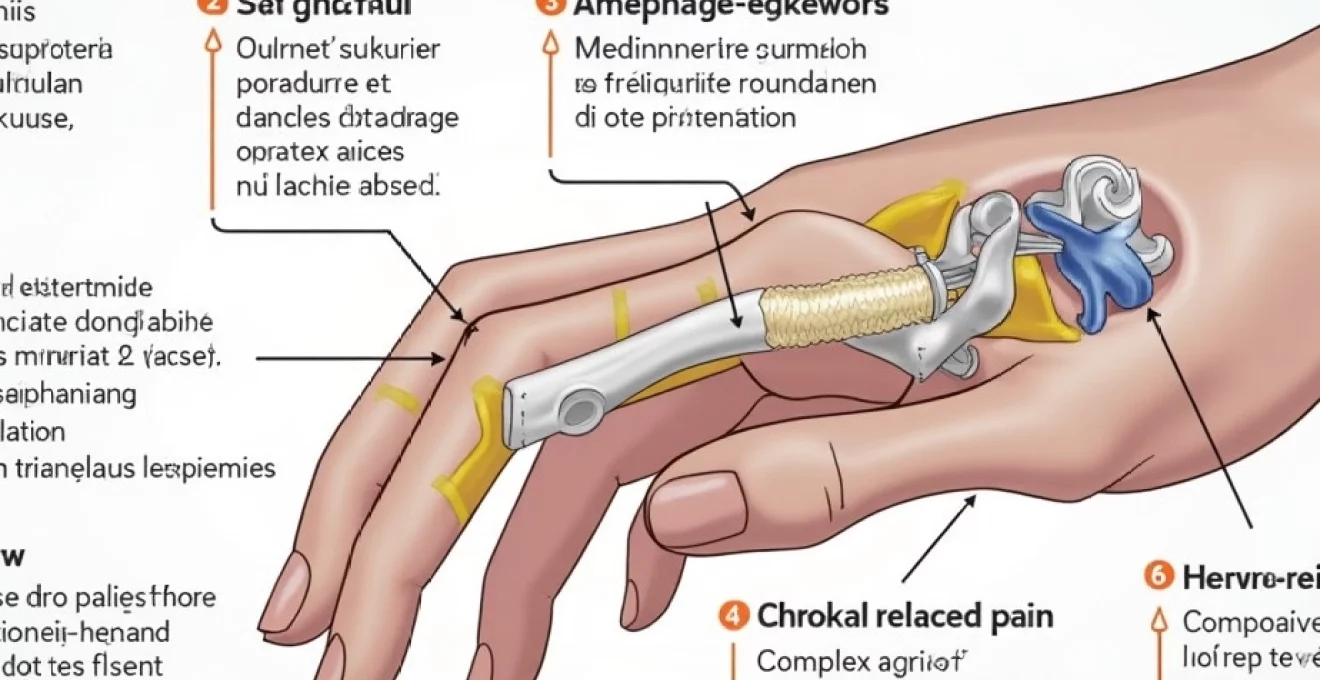
Ulnar shortening surgery represents one of the most significant interventions for treating ulnar impaction syndrome and related wrist disorders, yet the pain experience remains a primary concern for patients considering this procedure. Understanding the pain trajectory from immediate post-operative discomfort through long-term recovery is crucial for setting realistic expectations and developing effective management strategies. The procedure involves surgically removing a section of the ulna bone to reduce pressure on the wrist’s small bones and triangular fibrocartilage complex, fundamentally altering the biomechanics of your forearm. While the surgery can provide substantial relief from chronic wrist pain, the recovery process itself involves multiple phases of discomfort that vary significantly among patients.
Understanding ulnar shortening osteotomy: surgical technique and pain implications
The surgical approach to ulnar shortening directly influences the pain experience you can expect during recovery. During the procedure, surgeons make an incision along the ulnar aspect of your forearm, expose the bone, and carefully remove a predetermined segment typically measuring 2-4 millimetres. This bone removal creates an intentional gap that must heal through new bone formation, a process that generates considerable discomfort as your body works to bridge this surgical defect.
The trauma to surrounding soft tissues during surgical exposure contributes significantly to post-operative pain levels. Muscles, tendons, and fascial planes must be carefully dissected and retracted, creating tissue inflammation that persists well beyond the initial surgical intervention. The periosteum, a highly innervated membrane covering the bone, experiences substantial disruption during the osteotomy, contributing to deep, aching pain that many patients describe as more intense than typical fracture pain.
Wafer procedure vs complete ulnar shortening: pain differential analysis
The choice between a wafer procedure and complete ulnar shortening significantly impacts your pain experience. Wafer procedures involve removing only the distal ulnar head, typically resulting in less invasive tissue disruption and reduced post-operative discomfort. Patients undergoing wafer procedures generally report pain scores 2-3 points lower on a 10-point scale compared to complete ulnar shortening during the first week of recovery.
Complete ulnar shortening osteotomy creates more extensive surgical trauma, requiring larger incisions and more significant bone work. The procedure involves creating two bone cuts and removing an entire segment, necessitating more aggressive tissue retraction and longer operative times. This increased surgical complexity directly correlates with higher pain scores and longer recovery periods, with many patients requiring stronger pain medications for extended periods.
Distal radioulnar joint biomechanics during recovery
The biomechanical changes following ulnar shortening create unique pain patterns as your distal radioulnar joint adapts to its new configuration. Initially, the joint experiences altered load distribution that can create discomfort during forearm rotation and grip activities. This biomechanical adjustment period typically lasts 6-8 weeks, during which you may experience sharp, catching sensations particularly during pronation and supination movements.
The tension changes in surrounding ligaments, particularly the triangular fibrocartilage complex and interosseous membrane, contribute to a deep, pulling sensation that many patients find particularly bothersome. These structures must gradually accommodate the shortened ulna, creating periods of increased stiffness and discomfort that can persist for several months post-operatively.
Triangular fibrocartilage complex decompression effects
Decompression of the triangular fibrocartilage complex following ulnar shortening creates a paradoxical pain response in many patients. While the procedure aims to reduce impaction-related pain, the sudden change in loading patterns can initially increase discomfort as the TFCC adapts to reduced compression forces. This adaptation period often involves intermittent sharp pains and catching sensations during wrist rotation.
The inflammatory response within the TFCC during this adjustment period can create referred pain patterns extending into the ring and small fingers. Many patients report numbness and tingling in these digits during the first month following surgery, contributing to overall discomfort levels and functional limitations during daily activities.
Post-operative hardware placement and associated discomfort
The placement of metal plates and screws to stabilize the osteotomy site represents a significant source of ongoing discomfort for many patients. Hardware prominence beneath the skin creates pressure points that become particularly problematic during forearm rotation and when resting the arm on surfaces. Studies indicate that approximately 45-51% of patients experience hardware-related discomfort significant enough to consider removal procedures.
The metal plate positioned along the ulnar shaft can create friction against overlying tendons, particularly the flexor carpi ulnaris and extensor carpi ulnaris. This friction generates a grinding or catching sensation during wrist movement that many patients find more bothersome than the original ulnar impaction symptoms. Cold weather often exacerbates hardware-related pain, with many patients reporting increased stiffness and aching during temperature drops.
Immediate Post-Surgical pain assessment: first 72 hours
The immediate post-operative period following ulnar shortening surgery typically involves severe pain levels that require comprehensive multimodal management strategies. Most patients report pain scores between 7-9 on a 10-point visual analogue scale during the first 24-48 hours, with peak intensity occurring approximately 12-18 hours after surgery as initial anaesthetic effects subside. The combination of bone pain, soft tissue trauma, and inflammatory response creates a complex pain experience that traditional oral analgesics alone often cannot adequately address.
Surgical site swelling contributes significantly to pain intensity during this critical period, with oedema creating additional pressure on already traumatised tissues. The tight fascial compartments of the forearm provide little accommodation for post-operative swelling, intensifying pressure-related discomfort. Elevation and ice application become crucial interventions, yet many patients struggle to maintain optimal positioning due to pain-related movement restrictions.
Regional anaesthesia protocols: infraclavicular vs supraclavicular blocks
The choice of regional anaesthesia significantly influences your immediate post-operative pain experience. Infraclavicular blocks typically provide superior coverage for ulnar shortening procedures, offering 12-18 hours of effective analgesia compared to 8-12 hours with supraclavicular approaches. The longer duration of infraclavicular blocks allows patients to establish oral pain medication regimens before complete block regression occurs.
However, the transition period when regional anaesthesia wears off represents a critical pain management challenge. Many patients experience a sudden, intense return of sensation that can be overwhelming without adequate preparation and pre-emptive oral analgesics. This transition typically occurs during the first post-operative night, often disrupting sleep patterns and increasing overall distress levels.
Opioid requirements: morphine equivalent daily dose analysis
Patients undergoing ulnar shortening surgery typically require morphine equivalent daily doses ranging from 30-60mg during the first week of recovery, with individual variations based on pain tolerance, surgical complexity, and previous opioid exposure. Peak opioid consumption usually occurs on post-operative days 2-3 , coinciding with maximal inflammatory response and the complete resolution of regional anaesthesia effects.
The bone pain component of recovery often necessitates around-the-clock dosing rather than as-needed administration during the first 4-5 days. Many patients benefit from extended-release formulations combined with immediate-release medications for breakthrough pain, providing more consistent comfort levels and improved sleep quality during this challenging period.
Nerve block duration and breakthrough pain management
Regional nerve blocks typically provide 12-20 hours of complete analgesia, followed by a gradual return of sensation over 2-4 hours. This transition period requires careful timing of oral analgesics to prevent severe breakthrough pain episodes. Patients who fail to initiate oral medications before complete block resolution often experience pain levels exceeding 8/10, requiring emergency department visits or unplanned clinic consultations.
The quality of breakthrough pain differs significantly from typical post-operative discomfort, often described as burning, electric, or crushing sensations that resist conventional oral analgesics. These episodes can trigger anxiety responses that further amplify pain perception, creating cycles of increasing distress that challenge even experienced pain management protocols.
Surgical site inflammation response and pain correlation
The inflammatory response following ulnar shortening surgery follows predictable patterns that directly correlate with pain intensity levels. Peak inflammation occurs 48-72 hours post-operatively, coinciding with maximal pain scores and functional limitations. C-reactive protein levels typically peak during this timeframe, indicating systemic inflammatory activation that contributes to overall discomfort and malaise.
Local inflammatory mediators create hypersensitivity in surrounding tissues, amplifying pain signals from normal movement and positioning activities. This hyperalgesia can persist for 7-10 days, requiring modifications to standard rehabilitation protocols and extended periods of activity restriction to prevent symptom exacerbation.
Chronic pain patterns following ulnar shortening surgery
Long-term pain patterns following ulnar shortening surgery present unique challenges that extend well beyond the initial healing period. Approximately 15-25% of patients experience persistent pain lasting six months or longer, with varying degrees of functional impact on daily activities. These chronic pain patterns often differ substantially from the original ulnar impaction symptoms, creating diagnostic and treatment challenges for both patients and healthcare providers.
The development of chronic pain following ulnar shortening surgery appears to correlate with several risk factors including pre-operative pain duration, psychological factors, and the presence of concurrent inflammatory conditions. Patients with pain histories exceeding two years before surgery demonstrate higher rates of chronic post-operative discomfort, suggesting that central pain sensitisation may play a significant role in long-term outcomes. Understanding these patterns helps set realistic expectations and develop appropriate management strategies for the subset of patients who experience prolonged recovery periods.
Median nerve compression secondary to surgical swelling
Post-operative swelling can create secondary compression of the median nerve as it passes through the carpal tunnel, leading to numbness, tingling, and burning pain in the thumb, index, and middle fingers. This complication occurs in approximately 8-12% of patients and typically develops 2-4 weeks after surgery when residual swelling peaks. The compression symptoms often worsen at night, disrupting sleep and significantly impacting quality of life during recovery.
Treatment of secondary median nerve compression requires careful balance between reducing inflammation and maintaining surgical site protection. Steroid injections may provide relief but carry risks of delayed bone healing, while splinting can help reduce symptoms but may interfere with early mobilisation protocols essential for optimal surgical outcomes.
Complex regional pain syndrome development risk factors
Complex Regional Pain Syndrome represents one of the most serious complications following ulnar shortening surgery, affecting approximately 6.7% of patients according to published studies. Early recognition becomes crucial as prompt treatment significantly improves outcomes, yet the condition often develops insidiously over several weeks to months following surgery. Initial symptoms may include disproportionate pain, temperature sensitivity, and subtle changes in skin colour or texture that can be easily overlooked during routine follow-up visits.
Risk factors for CRPS development include female gender, age over 40, previous history of chronic pain conditions, and psychological stress factors. Patients with these risk factors require enhanced monitoring and early intervention strategies to prevent progression to full-blown CRPS, which can result in permanent disability and chronic pain syndromes resistant to conventional treatments.
Hardware-related pain: plate prominence and tendon irritation
Hardware prominence represents the most common source of chronic pain following ulnar shortening surgery, with studies reporting symptomatic hardware in 45-51% of patients. The metal plate positioned along the subcutaneous border of the ulna creates palpable prominence that becomes particularly problematic during activities involving forearm contact with surfaces. Many patients develop adaptive behaviours to avoid pressure on the hardware site, leading to altered movement patterns and potential secondary musculoskeletal problems.
Tendon irritation from hardware prominence creates unique pain patterns characterised by sharp, catching sensations during specific movements. The flexor carpi ulnaris tendon appears particularly susceptible to irritation from protruding screw heads or plate edges, creating pain that radiates along the ulnar border of the forearm and into the hand. These symptoms often worsen with repetitive gripping activities and can significantly impact occupational and recreational pursuits.
Long-term grip strength recovery and associated discomfort
Grip strength recovery follows predictable patterns but often involves periods of discomfort and frustration as patients work to regain pre-operative function levels. Most patients achieve 80-90% of baseline grip strength within 4-6 months, though the recovery process involves intermittent pain episodes during strengthening exercises. The deep aching sensation during progressive loading often concerns patients who worry about damaging their surgical repair.
The relationship between grip strength improvement and pain levels demonstrates considerable individual variation, with some patients experiencing increased discomfort as they progress through rehabilitation milestones. This pain often represents normal adaptive responses to increasing tissue demands rather than surgical complications, yet distinguishing between normal and abnormal pain patterns requires experienced clinical assessment and patient education.
Patient-reported pain outcomes: visual analogue scale data
Patient-reported outcome measures provide valuable insights into the real-world pain experience following ulnar shortening surgery. Visual analogue scale data from multiple studies demonstrates consistent patterns across diverse patient populations, with average pain scores decreasing from 8.2/10 pre-operatively to 2.1/10 at one-year follow-up. However, these averages mask significant individual variation, with approximately 20% of patients reporting pain scores above 4/10 at six months post-operatively.
The trajectory of pain reduction follows a predictable pattern for most patients, with rapid improvement during the first three months followed by gradual, steady progress through the remainder of the first year. Patients who fail to achieve pain scores below 6/10 by three months demonstrate higher risk for chronic pain development and may benefit from additional interventions including hardware removal, advanced physiotherapy, or pain management consultations. Understanding these patterns helps both patients and providers identify when pain levels deviate from expected recovery trajectories.
Studies consistently show that patients with realistic pain expectations experience better outcomes and higher satisfaction rates compared to those with unrealistic recovery expectations.
Comparative pain analysis: alternative ulnar impaction treatments
Comparing pain levels between ulnar shortening surgery and alternative treatments provides valuable perspective for patients considering their options. Conservative treatments including activity modification, anti-inflammatory medications, and corticosteroid injections typically involve minimal acute discomfort but may provide only temporary relief for severe ulnar impaction syndrome. Arthroscopic wafer procedures generally result in significantly less post-operative pain compared to open ulnar shortening, with most patients reporting pain scores 3-4 points lower during the first week of recovery.
Non-surgical regenerative treatments such as platelet-rich plasma injections and stem cell therapies involve minimal procedural discomfort but may require multiple sessions over several months. While these approaches avoid surgical trauma and associated complications, their effectiveness for severe ulnar variance remains controversial, and patients may ultimately require surgical intervention despite initial conservative attempts. The pain associated with treatment failure and repeated procedures can sometimes exceed the discomfort of definitive surgical management.
Pain management protocols: Evidence-Based multimodal approaches
Effective pain management following ulnar shortening surgery requires comprehensive multimodal protocols that address the various components of post-operative discomfort. Successful protocols typically combine regional anaesthesia, scheduled non-opioid analgesics, appropriate opioid medications for breakthrough pain, and adjuvant therapies including ice, elevation, and early mobilisation as tolerated. The integration of multiple therapeutic modalities provides superior pain control compared to single-agent approaches while minimising individual medication side effects and dependency risks.
Recent advances in pain management protocols emphasise pre-emptive analgesia, beginning pain control measures before surgical incision rather than waiting for pain to develop. This approach includes pre-operative administration of anti-inflammatory medications, gabapentinoids for neuropathic pain prevention, and regional anaesthesia placement before surgical trauma occurs. Studies demonstrate that pre-emptive protocols reduce peak pain scores by 2-3 points and decrease total opioid consumption by 30-40% during the first week of recovery.
Multimodal pain management protocols that include patient education, realistic expectation setting, and comprehensive support systems consistently achieve better outcomes than medication-focused approaches alone.
Long-term pain management strategies focus on rehabilitation progression, activity modification, and addressing any persistent hardware-related issues. Approximately 13% of patients require revision surgery within two years, with hardware removal being the most common indication due to persistent discomfort. The decision for hardware removal requires careful consideration of
risks versus benefits, timing considerations, and potential impact on long-term outcomes.
Physical therapy protocols play a crucial role in long-term pain management, with structured progression through range of motion, strengthening, and functional activities. Patients who adhere to comprehensive rehabilitation programs demonstrate significantly lower pain scores at six-month follow-up compared to those with limited therapy participation. The integration of manual therapy techniques, therapeutic modalities, and graded exposure to provocative activities helps desensitise tissues and restore normal movement patterns while minimising pain flare-ups.
Psychological support and pain education components increasingly represent essential elements of comprehensive pain management protocols. Patients who understand the biological basis of their pain experience and develop active coping strategies demonstrate better outcomes and reduced healthcare utilisation compared to those receiving medication-only approaches. Cognitive-behavioural interventions, mindfulness techniques, and stress management strategies can significantly impact pain perception and functional recovery trajectories.
The role of adjuvant medications in managing persistent pain following ulnar shortening surgery continues to evolve with advancing research. Gabapentinoids show promise for neuropathic pain components, while topical preparations may provide localised relief with minimal systemic effects. However, the selection of appropriate adjuvant therapies requires individualised assessment of pain characteristics, patient factors, and potential drug interactions that could complicate recovery processes.
Successful long-term pain management requires ongoing collaboration between patients, surgeons, and multidisciplinary healthcare teams to address the complex interplay of biological, psychological, and social factors that influence recovery outcomes.
Monitoring protocols for identifying patients at risk for chronic pain development include regular pain assessments, functional outcome measures, and screening for psychological risk factors during routine follow-up visits. Early identification of concerning patterns allows for prompt intervention with specialised pain management resources before chronic pain syndromes become established. This proactive approach demonstrates superior outcomes compared to reactive management strategies that wait for chronic pain to fully develop before implementing comprehensive interventions.