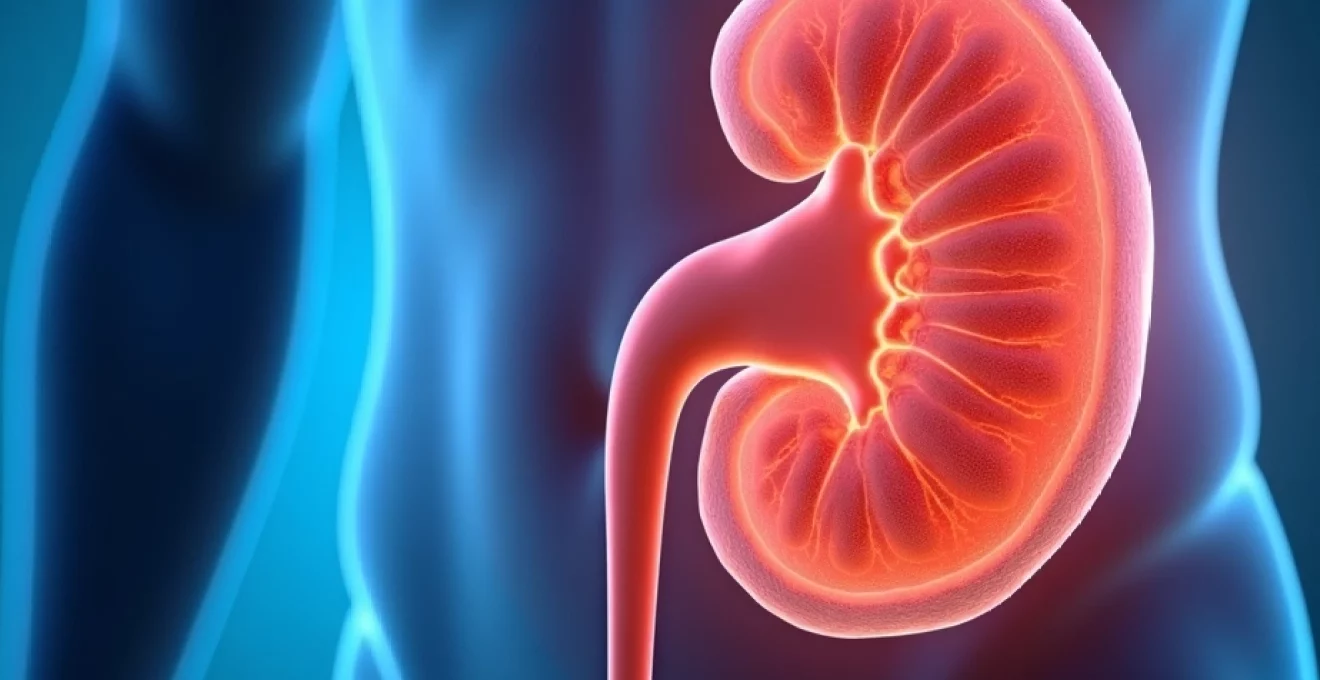
The relationship between nocturnal hyperhidrosis and nephrolithiasis represents a complex interplay of physiological mechanisms that extends beyond simple coincidence. While kidney stones primarily manifest through the characteristic excruciating pain during passage, many patients report experiencing night sweats as an accompanying symptom that often goes unrecognised by healthcare professionals. This connection involves intricate pathways including inflammatory cascades, autonomic nervous system dysfunction, medication side effects, and hormonal imbalances that collectively contribute to thermoregulatory disruption in stone formers.
Understanding these mechanisms becomes increasingly important as kidney stone prevalence continues to rise globally, affecting approximately one in ten individuals during their lifetime. The nocturnal sweating episodes experienced by nephrolithiasis patients can significantly impact sleep quality, recovery, and overall well-being, making it essential to recognise these patterns and address them appropriately within comprehensive stone management protocols.
Pathophysiology of nocturnal hyperhidrosis in nephrolithiasis patients
The physiological basis for night sweats in kidney stone patients involves multiple interconnected pathways that disrupt normal thermoregulatory mechanisms. When crystals form within the renal collecting system, they trigger localised inflammation and tissue irritation that extends beyond the immediate stone location. This inflammatory response activates various mediator pathways that can influence the hypothalamic temperature control centre, leading to inappropriate sweating responses during rest periods when core body temperature should naturally decrease.
Calcium oxalate crystal formation and autonomic nervous system dysfunction
Calcium oxalate stones, representing approximately 80% of all nephrolithiasis cases, create significant disruption to renal tissue architecture during formation and growth phases. The crystallisation process generates localised oxidative stress and inflammatory mediator release that can affect sympathetic nervous system function. This autonomic dysfunction manifests through altered noradrenergic signalling pathways, leading to inappropriate activation of sweat glands during nocturnal periods when parasympathetic dominance should prevail.
The mechanical irritation caused by calcium oxalate crystals adherent to renal epithelium triggers neurogenic inflammation through substance P and calcitonin gene-related peptide release. These neuropeptides can influence central thermoregulatory mechanisms, creating a cascade effect that results in nocturnal hyperhidrosis episodes that often precede the characteristic renal colic pain experienced during stone passage.
Uric acid stone development and thermoregulatory disruption
Patients with uric acid nephrolithiasis frequently experience metabolic acidosis and altered purine metabolism that can significantly impact normal temperature regulation mechanisms. The acidic urine environment necessary for uric acid crystal formation often reflects broader metabolic dysfunction that affects cellular energy production and heat dissipation pathways. This metabolic disruption can manifest as inappropriate nocturnal sweating episodes that occur independently of ambient temperature conditions.
Hyperuricaemia associated with uric acid stone formation creates inflammatory conditions that activate cytokine pathways known to influence hypothalamic temperature set-points. The resulting thermoregulatory instability often presents as night sweats that patients may attribute to dietary factors or environmental conditions, rather than recognising the connection to their underlying stone disease.
Cystine stone pathogenesis and metabolic heat production alterations
Cystinuria, the genetic condition underlying cystine stone formation, involves defective amino acid transport mechanisms that can influence cellular metabolism and heat production. The accumulation of cystine and other dibasic amino acids creates metabolic stress that affects mitochondrial function and energy production efficiency. This disruption to normal cellular energetics can manifest as altered thermoregulatory responses, including inappropriate nocturnal sweating episodes.
The chronic nature of cystine stone disease means that patients often experience ongoing metabolic stress that can persistently affect autonomic nervous system function. This continuous metabolic burden contributes to thermoregulatory instability that manifests as recurrent night sweats, particularly during periods of active stone formation or growth.
Struvite stone formation impact on circadian temperature rhythm
Struvite stones develop in response to chronic urinary tract infections, creating a complex interaction between bacterial endotoxins, immune system activation, and temperature regulation mechanisms. The infectious process underlying struvite formation generates pro-inflammatory cytokines that can disrupt normal circadian temperature rhythms. This disruption often manifests as inappropriate nocturnal hyperhidrosis that coincides with the body’s natural temperature nadir during sleep.
The chronic inflammation associated with recurrent urinary tract infections in struvite stone formers creates persistent activation of fever-generating pathways. Even in the absence of active infection, this chronic inflammatory state can maintain altered thermoregulatory set-points that result in nocturnal sweating episodes that patients may not immediately connect to their stone disease.
Inflammatory cytokine cascade mechanisms linking kidney stones to night sweats
The formation and presence of kidney stones initiates a complex inflammatory cascade that extends far beyond the local renal environment. This systemic inflammatory response involves multiple cytokine pathways that can directly influence hypothalamic temperature regulation centres, creating the physiological basis for nocturnal hyperhidrosis in nephrolithiasis patients. Understanding these inflammatory mechanisms provides insight into why night sweats often accompany kidney stone episodes and may persist even after stone passage.
Interleukin-6 and tumour necrosis Factor-Alpha elevation in nephrolithiasis
Research has demonstrated significant elevation of interleukin-6 (IL-6) and tumour necrosis factor-alpha (TNF-α) levels in patients with active kidney stone disease. These pro-inflammatory cytokines possess pyrogenic properties and can directly influence hypothalamic temperature regulation mechanisms. IL-6, in particular, acts on the hypothalamic-pituitary-adrenal axis to alter temperature set-points, often resulting in inappropriate sweating responses during periods when core body temperature should naturally decrease.
The persistent elevation of these inflammatory markers in chronic stone formers helps explain why night sweats may occur even between acute stone episodes. This chronic inflammatory state maintains altered thermoregulatory sensitivity that can manifest as nocturnal hyperhidrosis triggered by minor temperature fluctuations that would normally not provoke sweating responses in healthy individuals.
C-reactive protein biomarker patterns during renal colic episodes
C-reactive protein (CRP) levels often become significantly elevated during acute renal colic episodes, reflecting the systemic inflammatory response to kidney stone presence and movement. This acute-phase reactant not only serves as a biomarker for inflammatory activity but also contributes to the pathophysiology of thermoregulatory dysfunction. Elevated CRP levels correlate with increased production of inflammatory mediators that can influence central temperature control mechanisms.
The temporal relationship between CRP elevation and night sweat occurrence in kidney stone patients suggests a direct mechanistic connection. Patients often report that nocturnal hyperhidrosis episodes intensify during periods of elevated inflammatory markers, indicating that the inflammatory cascade itself contributes to thermoregulatory disruption rather than simply accompanying it.
Prostaglandin E2 release and hypothalamic temperature Set-Point disruption
Prostaglandin E2 (PGE2) release represents a crucial mechanism linking kidney stone inflammation to thermoregulatory dysfunction. This potent inflammatory mediator can cross the blood-brain barrier and directly influence hypothalamic temperature control centres, leading to inappropriate activation of heat dissipation mechanisms including nocturnal sweating. The production of PGE2 in response to crystal formation and tissue irritation creates a direct pathway for local renal inflammation to influence central temperature regulation.
The cyclooxygenase pathway activation that generates PGE2 in nephrolithiasis patients often persists beyond the acute stone episode, contributing to ongoing thermoregulatory instability. This mechanism helps explain why some patients continue to experience night sweats even after successful stone passage, as the inflammatory cascade may require extended periods to fully resolve.
Medication-induced hyperhidrosis in kidney stone treatment protocols
The pharmaceutical management of kidney stone disease involves various medications that can directly contribute to nocturnal hyperhidrosis through different mechanisms. Understanding these drug-induced effects becomes essential for clinicians managing stone patients who develop night sweats, as medication adjustment may be necessary to optimise both stone treatment outcomes and patient comfort. The challenge lies in balancing effective stone management with minimising adverse effects that can significantly impact quality of life.
Tamsulosin Alpha-Blocker therapy and sympathetic nervous system effects
Tamsulosin, widely prescribed for medical expulsive therapy in kidney stone management, can significantly influence thermoregulatory mechanisms through its effects on alpha-1 adrenergic receptors. This selective alpha-blocker not only facilitates stone passage by relaxing ureteral smooth muscle but also affects sympathetic nervous system function in ways that can promote nocturnal sweating. The medication’s influence on vascular smooth muscle can lead to vasodilation and altered heat dissipation patterns that manifest as inappropriate nocturnal hyperhidrosis.
Patients receiving tamsulosin therapy often report night sweats within the first few weeks of treatment initiation. This timing correlation suggests a direct pharmacological effect rather than coincidental occurrence. The alpha-blocking properties that make tamsulosin effective for stone passage can also disrupt normal sympathetic control of thermoregulation, particularly during sleep when parasympathetic tone predominates.
Allopurinol uric acid management and nocturnal sweating side effects
Allopurinol, prescribed for preventing uric acid stone recurrence, can cause nocturnal hyperhidrosis through multiple mechanisms including direct effects on cellular metabolism and indirect influences on inflammatory pathways. The medication’s inhibition of xanthine oxidase alters purine metabolism in ways that can affect cellular energy production and heat generation. Additionally, allopurinol can trigger hypersensitivity reactions that involve inflammatory mediator release, contributing to thermoregulatory dysfunction.
The development of night sweats in patients taking allopurinol often correlates with dosage adjustments and may persist for several weeks as metabolic adaptation occurs. This adaptation period reflects the time required for cellular metabolic pathways to adjust to altered purine metabolism, during which thermoregulatory instability may manifest as nocturnal sweating episodes.
Potassium citrate supplementation impact on electrolyte balance and perspiration
Potassium citrate supplementation, commonly prescribed for calcium and uric acid stone prevention, can influence electrolyte balance in ways that affect normal sweating mechanisms. The alteration of potassium levels and acid-base balance can impact cellular membrane stability and neuromuscular function, including the neural control of sweat gland activity. Changes in serum potassium concentrations can directly influence autonomic nervous system function and thermoregulatory responses.
Patients beginning potassium citrate therapy may experience transient alterations in sweating patterns as their bodies adjust to changed electrolyte balance. The medication’s alkalinising effects can also influence metabolic processes that affect heat production and dissipation, potentially contributing to nocturnal hyperhidrosis during the initial treatment period.
Calcium channel blocker nifedipine and Vasodilation-Related night sweats
Nifedipine, occasionally prescribed for ureteral smooth muscle relaxation in stone management, can cause significant nocturnal hyperhidrosis through its potent vasodilatory effects. The medication’s action on calcium channels leads to peripheral vasodilation that can disrupt normal thermoregulatory mechanisms and promote inappropriate heat loss through sweating. This effect often becomes more pronounced during nocturnal periods when normal vasomotor tone changes occur.
The calcium channel blocking mechanism that makes nifedipine effective for facilitating stone passage also affects vascular smooth muscle throughout the body, creating systemic effects on temperature regulation that can manifest as problematic night sweats requiring clinical management considerations.
Hormonal dysregulation patterns in recurrent nephrolithiasis cases
Chronic kidney stone formers often develop complex hormonal imbalances that can significantly contribute to thermoregulatory dysfunction and nocturnal hyperhidrosis. These endocrine disruptions involve multiple hormone pathways including parathyroid hormone, aldosterone, and insulin regulation that collectively influence both stone formation risk and temperature control mechanisms. The bidirectional relationship between hormonal dysfunction and nephrolithiasis creates a cycle where stone disease promotes hormonal imbalance, which in turn increases both stone recurrence risk and thermoregulatory instability.
Hyperparathyroidism represents one of the most significant hormonal contributors to both stone formation and night sweats in nephrolithiasis patients. Elevated parathyroid hormone levels increase calcium mobilisation from bone and enhance renal calcium reabsorption, promoting stone formation while simultaneously affecting cardiovascular function and autonomic nervous system regulation. This dual impact explains why patients with hyperparathyroidism-related stones often experience particularly severe nocturnal hyperhidrosis episodes that may precede stone symptoms by weeks or months.
Insulin resistance and metabolic syndrome frequently accompany recurrent kidney stone disease, creating hormonal conditions that promote both continued stone formation and thermoregulatory dysfunction. The altered glucose metabolism associated with insulin resistance affects cellular energy production and can influence hypothalamic function, contributing to inappropriate nocturnal sweating responses. Additionally, the chronic inflammatory state associated with metabolic syndrome provides ongoing cytokine stimulation that can maintain altered temperature regulation patterns.
The interconnected nature of hormonal dysfunction in stone formers creates cascading effects where endocrine imbalances perpetuate both stone recurrence and associated symptoms including nocturnal hyperhidrosis, requiring comprehensive hormonal evaluation and management.
Aldosterone dysregulation in chronic stone formers can significantly impact electrolyte balance and fluid homeostasis in ways that affect normal sweating mechanisms. Altered mineralocorticoid activity influences sodium and potassium handling, which directly affects cellular membrane stability and neural function including autonomic control of thermoregulation. The resulting electrolyte imbalances can manifest as inappropriate nocturnal sweating that patients may not immediately connect to their underlying stone disease.
Thyroid hormone abnormalities occur with increased frequency in recurrent nephrolithiasis patients, possibly reflecting shared metabolic dysfunction or the systemic stress effects of chronic stone disease. Both hyperthyroidism and hypothyroidism can affect temperature regulation, with hyperthyroid states commonly associated with excessive sweating and heat intolerance. These thyroid-mediated effects on thermoregulation can compound the other mechanisms contributing to night sweats in stone patients, making comprehensive endocrine evaluation essential for optimal management.
Differential diagnosis protocol for concurrent night sweats and renal stone disease
Establishing the relationship between nocturnal hyperhidrosis and kidney stone disease requires systematic evaluation to differentiate stone-related sweating from other potential causes. The diagnostic approach must consider the temporal relationship between stone episodes and sweating patterns, evaluate inflammatory markers and hormonal status, and assess medication effects while ruling out other serious conditions that can present with similar symptoms. This comprehensive evaluation becomes particularly important given that night sweats can indicate various medical conditions ranging from infections to malignancies.
The initial assessment should focus on characterising the sweating pattern in relation to stone episodes, including onset timing, severity, duration, and associated symptoms. Patients with stone-related night sweats often report that sweating episodes intensify during periods of stone activity or pain, while those with unrelated causes typically show no temporal correlation with urological symptoms. This temporal relationship provides crucial diagnostic information that can guide further evaluation and treatment decisions.
Laboratory evaluation should include comprehensive metabolic panels, inflammatory markers, and hormonal assessments to identify underlying conditions that might contribute to both stone formation and thermoregulatory dysfunction. C-reactive protein, erythrocyte sedimentation rate, and cytokine levels can help quantify inflammatory activity, while parathyroid hormone, thyroid function, and glucose metabolism studies can reveal hormonal contributors to symptom development.
Systematic evaluation of night sweats in stone patients requires careful attention to medication history, temporal relationships, and comprehensive laboratory assessment to distinguish stone-related hyperhidrosis from other serious medical conditions.
Medication review represents a critical component of differential diagnosis, as many drugs used in stone management can directly cause nocturnal hyperhidrosis. The evaluation should include assessment of all prescription medications, over-the-counter supplements, and timing of symptom onset relative to medication changes. Particular attention should focus on alpha-blockers, calcium channel blockers, and metabolic modulators commonly prescribed for stone prevention.
Advanced imaging and functional studies may be necessary to rule out underlying malignancies or infectious processes that
can present with nocturnal hyperhidrosis as an early symptom. This may include contrast-enhanced computed tomography to evaluate for occult malignancies or positron emission tomography scanning in cases where lymphoproliferative disorders are suspected based on clinical presentation and laboratory findings.
The diagnostic protocol should also incorporate urinalysis and urine culture studies to identify active urinary tract infections that could contribute to both stone formation and systemic inflammatory responses leading to night sweats. Microscopic examination for crystalluria can provide insights into ongoing stone formation activity, while bacterial culture results can guide targeted antimicrobial therapy if infection-related hyperhidrosis is identified.
Sleep study evaluation may be warranted in patients with persistent nocturnal hyperhidrosis to rule out obstructive sleep apnea or other sleep disorders that can present with night sweats. These concurrent conditions can complicate the clinical picture and require specific management approaches that differ from stone-related hyperhidrosis treatment protocols.
Endocrine consultation should be considered for patients with evidence of hormonal dysfunction contributing to both stone formation and thermoregulatory symptoms. Comprehensive evaluation may include 24-hour urine collection for metabolic stone risk factors, parathyroid imaging studies, and detailed assessment of calcium metabolism abnormalities that could explain both stone recurrence and associated night sweats.
The differential diagnosis must also consider medication interactions and cumulative effects of multiple therapeutic agents commonly prescribed in stone management protocols. Some patients may be receiving combinations of alpha-blockers, calcium channel blockers, and metabolic modulators that collectively contribute to thermoregulatory dysfunction through additive pharmacological effects on autonomic nervous system function.
Effective management of stone-related night sweats requires accurate identification of contributing mechanisms through systematic evaluation, enabling targeted interventions that address both stone prevention and symptomatic relief of nocturnal hyperhidrosis.
Documentation of symptom patterns through patient diary keeping can provide valuable diagnostic information regarding the relationship between stone episodes and hyperhidrosis occurrence. Patients should record sweating intensity, timing, duration, associated symptoms, and potential triggers to establish clear patterns that can guide therapeutic decision-making and monitoring of treatment effectiveness.
Follow-up protocols should include regular reassessment of night sweat patterns in relation to stone management interventions. Changes in sweating frequency or intensity may indicate treatment effectiveness or the need for therapeutic adjustments. This ongoing monitoring ensures that both stone prevention goals and quality of life considerations receive appropriate attention throughout the management process.
The multifactorial nature of night sweats in kidney stone patients necessitates individualized diagnostic approaches that consider patient-specific risk factors, medication histories, and underlying comorbidities. Success in managing these complex cases requires recognition that nocturnal hyperhidrosis may represent a significant symptom that impacts patient well-being and requires specific therapeutic attention beyond standard stone management protocols.