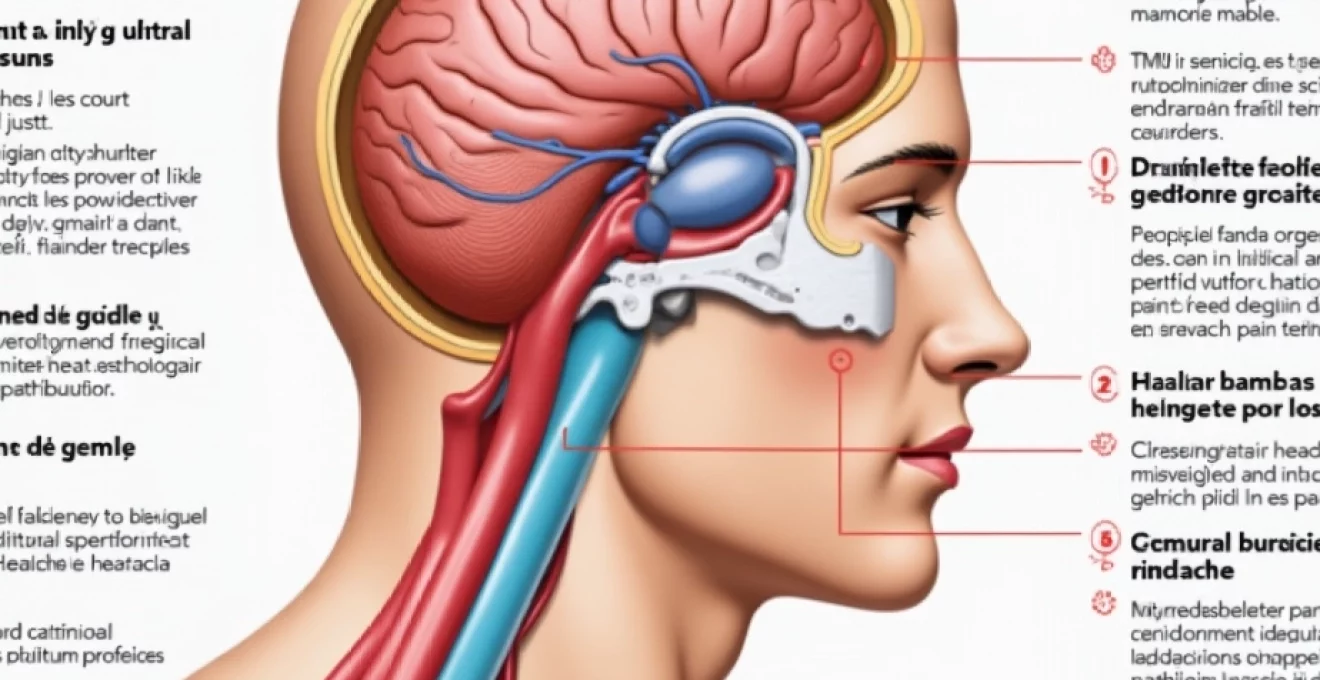
Unilateral temple headaches represent one of the most challenging diagnostic puzzles in clinical medicine, affecting millions of individuals worldwide with varying degrees of intensity and frequency. These localised pain episodes can range from mild discomfort to debilitating agony that significantly impacts daily functioning. The temporal region’s complex anatomy, involving intricate networks of blood vessels, nerves, and muscles, creates multiple potential pathways for pain generation and referral patterns.
Understanding the underlying mechanisms behind one-sided temple headaches requires a comprehensive approach that considers both primary headache disorders and secondary causes. The differential diagnosis encompasses vascular pathologies, neurological conditions, musculoskeletal dysfunction, and potentially serious intracranial abnormalities. Each category presents distinct clinical features, pathophysiological mechanisms, and treatment requirements that demand careful evaluation and targeted therapeutic interventions.
Primary vascular causes of unilateral temple pain
Vascular disorders affecting the temporal region constitute a significant proportion of unilateral headache presentations, with each condition demonstrating unique pathophysiological characteristics and clinical manifestations. The temporal arteries’ superficial location and rich innervation make them particularly susceptible to inflammatory processes and vascular dysfunction.
Temporal arteritis and giant cell arteritis pathophysiology
Temporal arteritis, also known as giant cell arteritis, represents a serious inflammatory condition primarily affecting individuals over 50 years of age. This systemic vasculitis targets medium and large-sized arteries, with particular predilection for the temporal arteries. The inflammatory process involves granulomatous infiltration of the vessel wall, leading to intimal proliferation, smooth muscle cell proliferation, and potential arterial occlusion.
The clinical presentation typically includes severe, constant temple pain that may be accompanied by jaw claudication, visual disturbances, and scalp tenderness. Patients often describe the pain as burning or throbbing, with intensity that interferes with sleep and daily activities. Constitutional symptoms such as fever, weight loss, and fatigue frequently accompany the headache, suggesting systemic involvement. The condition requires urgent medical attention due to the risk of permanent vision loss and potential stroke complications.
Migraine-related vasodilation and trigeminal nerve activation
Migraine headaches commonly present as unilateral temple pain, involving complex interactions between vascular changes and neural activation. The trigeminovascular system plays a central role in migraine pathophysiology, with activation of trigeminal sensory fibres innervating cranial blood vessels leading to the release of vasoactive neuropeptides such as calcitonin gene-related peptide and substance P.
The characteristic throbbing quality of migraine temple pain results from arterial pulsation amplified by perivascular inflammation and sensitisation of trigeminal nociceptors. Neurogenic inflammation creates a cascade of events including plasma protein extravasation, mast cell degranulation, and further neuropeptide release, perpetuating the pain cycle. The unilateral nature often reflects asymmetric activation of trigeminovascular pathways, though the underlying mechanisms determining lateralisation remain incompletely understood.
Cluster headache hypothalamic dysfunction and circadian rhythm disruption
Cluster headaches represent one of the most severe forms of primary headache disorders, characteristically presenting as excruciating unilateral temple and orbital pain. The pathophysiology involves dysfunction of the posterior hypothalamus, which serves as the body’s master circadian clock and regulates numerous autonomic functions. This hypothalamic disruption explains the distinctive temporal clustering of attacks and their tendency to occur at consistent times of day.
The pain mechanism involves activation of the trigeminal-autonomic reflex, resulting in simultaneous trigeminal pain and cranial parasympathetic activation. This dual activation produces the classic combination of severe unilateral pain with ipsilateral autonomic features including lacrimation, nasal congestion, and partial Horner’s syndrome. The hypothalamic involvement also explains the condition’s seasonal variation and the effectiveness of hypothalamic deep brain stimulation in refractory cases.
Tension-type headache myofascial trigger points in temporalis muscle
Tension-type headaches affecting the temple region often originate from myofascial dysfunction within the temporalis muscle and surrounding musculature. The temporalis muscle’s extensive attachment along the temporal fossa and its role in mastication make it susceptible to overuse, stress-related tension, and trigger point development. These trigger points can generate referred pain patterns that closely mimic primary headache disorders.
The pathophysiology involves sustained muscle contraction leading to local ischaemia, accumulation of inflammatory mediators, and sensitisation of muscle nociceptors. Central sensitisation may develop over time, amplifying pain signals and creating a chronic pain state. The unilateral presentation often reflects asymmetric muscle tension patterns influenced by factors such as jaw clenching habits, dental malocclusion, or postural asymmetries.
Neurological disorders affecting trigeminal distribution
Neurological conditions involving the trigeminal nerve and its branches can produce characteristic unilateral temple pain patterns. These disorders often present with distinctive clinical features that aid in differential diagnosis, though overlap with other headache types can complicate assessment.
Trigeminal neuralgia classical and secondary forms
Classical trigeminal neuralgia presents as sudden, electric shock-like pain episodes within the trigeminal nerve distribution, including the temple region when the first division is involved. The pain typically lasts seconds to minutes and can be triggered by light tactile stimulation of specific trigger zones. The condition results from demyelination of trigeminal nerve fibres, most commonly due to vascular compression at the root entry zone by aberrant blood vessels.
Secondary trigeminal neuralgia may result from structural lesions such as tumours, multiple sclerosis plaques, or arteriovenous malformations affecting the trigeminal nerve pathway. The pain characteristics may differ slightly from classical forms, potentially showing longer duration, burning quality, or associated sensory deficits. Neuroimaging studies are essential for identifying underlying structural abnormalities that may require specific therapeutic interventions.
Occipital neuralgia referred pain mechanisms
Occipital neuralgia can produce referred pain to the temple region through complex neural interconnections within the trigeminocervical complex. The condition involves irritation or inflammation of the greater, lesser, or third occipital nerves, typically presenting as sharp, shooting pain originating from the suboccipital region and radiating toward the temple and frontal areas.
The referred pain mechanism operates through convergence of occipital and trigeminal afferents onto second-order neurons within the trigeminocervical nucleus. This anatomical arrangement allows noxious input from cervical structures to be perceived as pain in trigeminal territories, including the temple region. Cross-sensitisation between neural pathways can perpetuate the pain and create complex referral patterns that challenge accurate diagnosis.
Atypical facial pain syndrome diagnostic criteria
Atypical facial pain, also known as persistent idiopathic facial pain, presents as continuous, burning, or aching pain that may affect the temple region. Unlike classical trigeminal neuralgia, the pain is typically constant rather than paroxysmal and lacks clear trigger zones or neurological deficits. The condition often develops following dental procedures, facial trauma, or viral infections, suggesting peripheral nerve damage as a potential mechanism.
The pathophysiology likely involves peripheral and central sensitisation processes, with damaged nerve fibres generating spontaneous activity and altered pain processing within the central nervous system. The diagnosis remains one of exclusion, requiring careful evaluation to rule out other neurological conditions, dental pathology, and structural abnormalities. The chronic nature and poor response to conventional treatments often create significant psychological distress and functional impairment.
Glossopharyngeal neuralgia ectopic pain patterns
Although glossopharyngeal neuralgia primarily affects the throat and tongue regions, ectopic pain referral to the temple area can occur through neural cross-connections within the brainstem. The condition involves paroxysmal pain episodes triggered by swallowing, speaking, or touching specific areas within the glossopharyngeal nerve distribution.
The ectopic referral mechanism involves central convergence of glossopharyngeal and trigeminal sensory inputs within the spinal trigeminal nucleus. This neuroanatomical arrangement can result in perceived pain in trigeminal territories, including the temple region, despite the primary pathology involving the glossopharyngeal nerve. Recognition of this referral pattern is crucial for appropriate diagnosis and treatment planning.
Musculoskeletal and temporomandibular joint dysfunction
Musculoskeletal disorders affecting the craniofacial region frequently generate temple pain through direct involvement of local structures or referred pain mechanisms. The intimate relationship between masticatory muscles, cervical spine function, and temporomandibular joint mechanics creates multiple potential sources of unilateral temple discomfort.
TMJ internal derangement and disc displacement
Temporomandibular joint disorders commonly produce temple pain through direct mechanical dysfunction and associated muscle tension. Internal derangement, particularly anterior disc displacement with or without reduction, creates altered joint mechanics that overload surrounding musculature and generate referred pain patterns. The temporomandibular joint’s rich innervation by branches of the trigeminal nerve provides direct pathways for pain transmission to the temple region.
The pathophysiology involves mechanical irritation of joint structures, synovial inflammation, and subsequent activation of nociceptors within the joint capsule and surrounding tissues. Biomechanical dysfunction creates compensatory muscle activation patterns that can perpetuate pain and dysfunction. The unilateral nature often reflects asymmetric joint loading, dental occlusion problems, or habitual postures that favour one side over the other.
Masseter muscle spasm and referred pain pathways
Masseter muscle dysfunction represents a common source of temple pain, particularly in individuals with bruxism, jaw clenching habits, or dental malocclusion. The masseter muscle’s anatomical location and its connection to the temporalis muscle create direct pathways for pain referral to the temple region. Muscle spasm, trigger points, or chronic tension within the masseter can generate persistent aching or sharp pain episodes.
The referred pain mechanism involves activation of muscle nociceptors and convergence of afferent fibres within the trigeminal sensory complex. Chronic muscle tension leads to local ischaemia, accumulation of inflammatory mediators, and sensitisation of pain pathways. The development of central sensitisation can amplify pain signals and create widespread hyperalgesia affecting multiple craniofacial regions.
Cervicogenic headache from upper cervical spine dysfunction
Cervicogenic headaches originating from upper cervical spine dysfunction frequently present as unilateral temple pain through well-established referred pain mechanisms. Dysfunction of the atlantooccipital and atlantoaxial joints, along with associated musculature, can generate pain that is perceived in the temple region due to neural convergence within the trigeminocervical complex.
The pathophysiology involves nociceptive input from the upper three cervical segments converging with trigeminal afferents onto second-order neurons within the trigeminocervical nucleus. This anatomical arrangement allows cervical dysfunction to manifest as head pain in trigeminal territories. Postural factors , previous neck trauma, and occupational demands often contribute to the development and perpetuation of cervicogenic temple pain.
Myofascial pain syndrome in pterygoid muscles
The medial and lateral pterygoid muscles can develop myofascial trigger points that refer pain to the temple region, creating a source of unilateral headache that may be overlooked in clinical assessment. These deep masticatory muscles play crucial roles in jaw movement and stability, making them susceptible to overuse injuries and tension-related dysfunction.
Trigger points within pterygoid muscles generate characteristic referred pain patterns that can extend to the temple, temporal-mandibular joint, and surrounding areas. The pain is often described as deep, aching, and may be accompanied by jaw movement restrictions or clicking sounds. Manual examination techniques and specific muscle stretching protocols are often required for accurate diagnosis and effective treatment of pterygoid-related temple pain.
Secondary intracranial pathologies and red flag symptoms
Secondary causes of unilateral temple headaches encompass a range of potentially serious intracranial pathologies that require immediate medical evaluation and intervention. These conditions often present with characteristic red flag symptoms that distinguish them from primary headache disorders and mandate urgent diagnostic workup.
Brain tumours affecting the temporal lobe or adjacent structures can produce localised headache patterns, often accompanied by progressive neurological deficits, seizures, or cognitive changes. The headache quality may initially resemble primary headache disorders but typically shows progressive worsening and poor response to conventional treatments. Intracranial pressure elevation may produce additional symptoms including nausea, vomiting, and papilledema on ophthalmological examination.
Cerebral aneurysms, particularly those involving the anterior circulation, can present as sudden-onset severe temple headache, often described as “thunderclap” in nature. The pain typically reaches maximum intensity within seconds to minutes and may be accompanied by neck stiffness, photophobia, or altered consciousness. Sentinel bleeds from small aneurysmal leaks can produce warning headaches days to weeks before major rupture events, making early recognition crucial for preventing catastrophic outcomes.
Arteriovenous malformations and cavernous malformations may produce chronic headache patterns or acute presentations depending on their size, location, and bleeding risk. These vascular lesions can generate headache through mass effect, altered cerebral blood flow patterns, or acute haemorrhage. The headache characteristics may vary considerably, ranging from migraine-like episodes to persistent dull aching or sudden severe pain with neurological deficits.
Infectious conditions including meningitis, encephalitis, or intracranial abscesses can present with severe unilateral or generalised headache accompanied by fever, neck stiffness, altered mental status, and focal neurological signs.
Subdural and epidural haematomas following head trauma can produce delayed headache presentations, particularly when initial trauma appears minor. The headache may develop hours to days after injury and can be associated with gradually declining consciousness, focal neurological deficits, or signs of increased intracranial pressure. Recognition of these delayed presentations is crucial for preventing secondary brain injury and optimising outcomes.
Diagnostic imaging and laboratory investigation protocols
Comprehensive diagnostic evaluation of unilateral temple headaches requires a systematic approach incorporating detailed clinical assessment, appropriate imaging studies, and targeted laboratory investigations. The selection of diagnostic tests should be guided by clinical presentation, risk factors, and the presence of red flag symptoms that suggest secondary pathology.
Neuroimaging represents the cornerstone of evaluation for suspected secondary headache causes, with magnetic resonance imaging providing superior soft tissue resolution for detecting intracranial pathology. High-resolution MRI sequences can identify structural abnormalities including tumours, vascular lesions, inflammatory changes, and subtle signs of raised intracranial pressure. Contrast-enhanced studies may be necessary to evaluate suspected infectious, inflammatory, or neoplastic conditions.
Computed tomography angiography (CTA) or magnetic resonance angiography (MRA) should be considered when vascular pathology is suspected, particularly in cases presenting with sudden-onset severe headache or neurological deficits. These studies can detect aneurysms, arteriovenous malformations, arterial dissections, and other vascular abnormalities that may require urgent neurosurgical intervention.
Laboratory investigations play a crucial role in evaluating suspected temporal arteritis and other inflammatory conditions affecting the temporal region. Erythrocyte sedimentation rate (ESR) and C-reactive protein (CRP) levels provide markers of systemic inflammation, though normal values do not exclude giant cell arteritis in all cases. Complete blood count, comprehensive metabolic panel, and specific autoimmune markers may provide additional diagnostic information in appropriate clinical contexts.
Temporal artery ultrasound has emerged as a valuable non-invasive diagnostic tool for evaluating suspected giant cell arteritis, demonstrating characteristic halo signs and arterial wall thickening in active disease.
Lumbar puncture may be indicated in cases where infectious or inflammatory central nervous system conditions are suspected, particularly when accompanied by fever, neck stiffness, or altered mental status. Cerebrospinal fluid analysis can provide crucial diagnostic information including cell counts, protein levels, glucose concentrations, and specific pathogen identification through culture or molecular testing methods.
Evidence-based treatment approaches and pharmacological interventions
Treatment strategies for unilateral temple headaches must be
tailored to the specific underlying pathology, with early accurate diagnosis being crucial for optimal outcomes. The therapeutic approach should incorporate both acute symptom management and long-term preventive strategies, considering individual patient factors, comorbidities, and treatment response patterns.
For temporal arteritis and giant cell arteritis, immediate high-dose corticosteroid therapy represents the standard of care, typically initiated with prednisolone 1mg/kg daily (maximum 60-80mg) to prevent irreversible vision loss. Immunosuppressive agents such as methotrexate or tocilizumab may be introduced as steroid-sparing therapies for long-term management. Treatment duration typically extends 12-24 months with gradual dose reduction guided by clinical response and inflammatory markers.
Migraine-related temple pain requires a multifaceted approach incorporating acute abortive medications and preventive therapies. Triptans remain the gold standard for acute treatment, with sumatriptan, rizatriptan, or zolmitriptan providing effective relief when administered early in the attack. Preventive medications including topiramate, propranolol, or newer CGRP antagonists such as erenumab or fremanezumab can significantly reduce attack frequency and severity in patients with frequent episodes.
Cluster headache management demands rapid-acting interventions due to the brief duration and severe intensity of attacks. High-flow oxygen therapy (12-15 L/min for 15-20 minutes) provides effective relief in up to 70% of patients and represents the safest acute treatment option. Subcutaneous sumatriptan offers rapid onset of action within 10-15 minutes, making it particularly valuable for severe attacks. Preventive therapy with verapamil, lithium, or topiramate can reduce attack frequency during cluster periods.
Trigeminal neuralgia requires specific pharmacological approaches, with anticonvulsants such as carbamazepine, gabapentin, or pregabalin serving as first-line treatments for neuropathic pain management.
For tension-type headaches and myofascial causes, treatment focuses on muscle relaxation, trigger point therapy, and stress management techniques. NSAIDs provide effective relief for episodic episodes, while tricyclic antidepressants or muscle relaxants may be beneficial for chronic presentations. Physical therapy interventions including manual therapy, dry needling, and postural correction can address underlying musculoskeletal dysfunction contributing to temple pain.
Temporomandibular joint disorders require multidisciplinary management incorporating dental evaluation, physical therapy, and pain management strategies. Occlusal splints or night guards can reduce bruxism-related muscle tension, while targeted jaw exercises and manual therapy techniques address joint dysfunction and muscle imbalances. Anti-inflammatory medications and muscle relaxants provide symptomatic relief during acute exacerbations.
Secondary intracranial pathologies demand immediate specialist referral and targeted interventions based on the underlying condition. Neurosurgical consultation is essential for space-occupying lesions, vascular abnormalities, or conditions requiring urgent decompression. Infectious conditions require appropriate antimicrobial therapy guided by culture results and cerebrospinal fluid analysis findings.
What role does patient education play in long-term management success? Comprehensive patient education regarding trigger identification, lifestyle modifications, and early intervention strategies significantly improves treatment outcomes and reduces healthcare utilization. Patients should be educated about red flag symptoms requiring immediate medical attention, proper medication usage, and non-pharmacological management techniques that can complement medical treatment.
The integration of complementary therapies including acupuncture, mindfulness-based stress reduction, and cognitive behavioural therapy can provide additional benefits for patients with chronic temple pain conditions. These approaches address the psychological and social impacts of chronic pain while providing patients with active self-management strategies that enhance overall quality of life and treatment satisfaction.