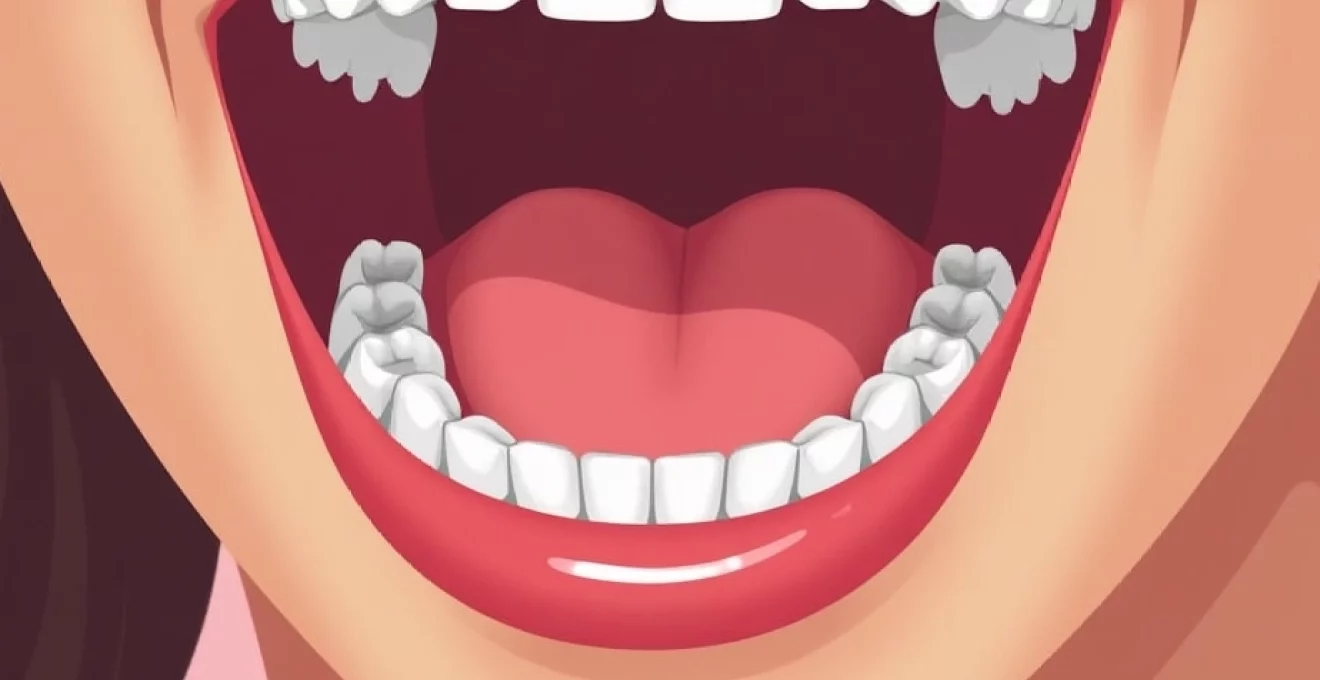
Navigating intimate relationships while wearing dentures presents unique considerations that many people hesitate to discuss openly. The physical and emotional aspects of oral intimacy can become sources of anxiety for denture wearers, particularly those adjusting to new prosthetics. Understanding the practical implications of denture stability, anatomical changes, and preparation techniques enables individuals to approach intimate situations with greater confidence and comfort. Modern denture technology and proper maintenance protocols can significantly minimise potential complications, allowing wearers to maintain fulfilling intimate relationships whilst ensuring both safety and pleasure for all parties involved.
Denture stability and security during intimate activities
The fundamental concern surrounding oral intimacy with dentures centres on maintaining secure retention throughout physical activity. Denture stability depends heavily on proper fit, adequate adhesive application, and individual anatomical factors that vary considerably between wearers. During intimate moments, increased movement, altered positioning, and heightened physical activity can challenge even well-fitted prosthetics, making preparation essential for confidence and comfort.
Adhesive performance under physical stress and moisture
Denture adhesives undergo significant testing under normal daily conditions, yet intimate activities present unique challenges to their bonding capabilities. Increased saliva production, combined with physical movement and potential temperature variations, can compromise adhesive strength more rapidly than during routine activities. Quality adhesives typically maintain effectiveness for 6-8 hours under normal conditions, but this timeframe may reduce during more vigorous activities or extended intimate sessions.
The interaction between adhesive formulations and natural oral moisture creates a delicate balance that requires understanding. Water-based activities or increased saliva production can gradually weaken adhesive bonds, particularly around the peripheral borders where initial loosening typically occurs. Recognising early signs of adhesive failure allows for timely adjustments before complete displacement becomes problematic.
Partial denture clasps and metal framework considerations
Partial dentures introduce additional complexity through their metal clasps and framework components, which require careful consideration during intimate activities. These elements can create pressure points or catching mechanisms that may cause discomfort for both the wearer and their partner. The precision fit of clasp assemblies around natural teeth provides excellent retention but can become problematic if excessive force or unusual angles are encountered during oral activities.
Modern partial denture designs incorporate smoother transitional areas and rounded edges to minimise sharp contact points. However, older prosthetics or those requiring adjustments may present rougher surfaces that could cause irritation or injury during intimate contact. Regular professional assessments ensure that clasp adjustments maintain both security and comfort for all situations.
Upper palate coverage impact on suction and retention
Complete upper dentures rely heavily on suction created by intimate contact between the denture base and palatal tissues. This suction mechanism, whilst effective for normal function, becomes vulnerable during activities that alter oral pressure dynamics or introduce external forces. The posterior palatal seal, critical for retention, can be disrupted by tongue movements, breathing patterns, or physical positioning during intimate activities.
Understanding how palatal coverage affects sensation and retention helps inform decisions about denture management during intimacy. Some individuals experience reduced sensitivity due to palatal coverage, whilst others find that altered suction patterns affect their confidence and comfort levels. These factors contribute to personal preferences regarding whether to maintain denture wear during intimate moments or consider temporary removal.
Immediate dentures and healing socket complications
Immediate dentures, fitted directly following tooth extractions, present heightened risks during intimate activities due to ongoing healing processes and reduced tissue support. The extraction sites remain tender and vulnerable for several weeks, making physical pressure or movement potentially problematic. These prosthetics typically fit less precisely than conventional dentures, increasing the likelihood of displacement or tissue irritation during physical activity.
Healing socket complications can arise from excessive pressure, movement, or bacterial introduction during the critical initial healing period. Professional guidance regarding appropriate timing for resuming intimate activities becomes essential for individuals wearing immediate dentures. The healing timeline varies significantly between individuals, but most practitioners recommend extreme caution during the first 2-4 weeks following extraction procedures.
Oral anatomy modifications and sensation changes
Denture wear fundamentally alters oral anatomy and sensory perception, creating adaptations that extend beyond basic function into intimate experiences. The presence of prosthetic materials modifies tactile feedback, temperature sensitivity, and spatial awareness within the oral cavity. These changes require adjustment periods and may influence technique modifications for optimal comfort and effectiveness during oral intimacy. Understanding these anatomical modifications helps individuals develop realistic expectations and effective adaptation strategies for maintaining satisfying intimate relationships.
Reduced tactile sensitivity in Denture-Covered tissues
Denture bases create a barrier between natural oral tissues and external stimuli, significantly reducing tactile sensitivity in covered areas. This sensory reduction affects the ability to gauge pressure, texture, and temperature accurately during intimate contact. The loss of direct tissue contact eliminates subtle feedback mechanisms that typically guide pressure application and movement patterns during oral activities.
Adaptation to reduced sensitivity often requires conscious attention to pressure application and partner feedback. Many denture wearers develop enhanced reliance on visual cues and partner communication to compensate for diminished tactile awareness . This adjustment period varies considerably between individuals, with some adapting within weeks whilst others require months to develop confident techniques that account for sensory limitations.
Altered tongue movement patterns and dexterity
The presence of denture bulk and altered oral topography requires tongue adaptation that affects precision movements essential for intimate activities. Conventional complete dentures can reduce tongue space by 15-25%, requiring movement pattern modifications that may initially feel awkward or restricted. These spatial limitations particularly affect fine motor control and precise positioning that characterise skilled oral techniques.
Tongue dexterity improvements develop gradually through consistent use and conscious practice. Professional speech therapy techniques often translate effectively to intimate applications, helping individuals regain confidence in tongue control and movement precision. The adaptation process typically accelerates when individuals actively practice movement patterns and gradually expand their comfort zones through patient exploration and communication with partners.
Gag reflex modifications with posterior palatal coverage
Upper denture coverage of palatal tissues can significantly alter gag reflex sensitivity, either heightening or diminishing natural responses depending on individual anatomy and adaptation patterns. The posterior palatal seal area, crucial for denture retention, sits precisely in the region where gag reflexes typically initiate. This proximity can create heightened sensitivity that interferes with comfortable oral activities or, conversely, reduced reflex response that affects normal protective mechanisms.
Gag reflex modifications often improve with gradual exposure and desensitisation techniques commonly used in dental adaptation protocols. Breathing techniques, progressive exposure, and relaxation strategies help individuals manage heightened sensitivity whilst maintaining safety and comfort. Some practitioners recommend specific exercises to help patients develop better control over their gag response whilst wearing dentures.
Saliva production changes and lubrication effects
Denture wear commonly influences saliva production patterns, either increasing flow due to foreign body stimulation or decreasing production due to glandular compression or medication effects. These changes directly impact natural lubrication levels during intimate activities, potentially affecting comfort for both partners. Excessive saliva production can create management challenges, whilst insufficient lubrication may increase friction and discomfort risks.
Understanding individual saliva patterns helps inform preparation strategies for intimate activities. Some individuals experience improved lubrication with denture wear , whilst others require supplemental moisture management. Hydration status, medication effects, and stress levels all influence saliva production, making personalised approaches essential for optimal comfort and safety during oral intimacy.
Pre-activity preparation protocols for denture wearers
Successful intimate experiences with dentures require thoughtful preparation that addresses both practical considerations and confidence-building measures. Preparation protocols encompass adhesive application techniques, hygiene practices, and contingency planning that collectively enhance security and comfort. Professional dental guidance combined with personal experimentation helps individuals develop customised routines that support their specific needs and preferences whilst maintaining spontaneity in intimate relationships.
Fixodent and poligrip application techniques for enhanced retention
Premium adhesive brands like Fixodent and Poligrip offer superior retention capabilities when applied correctly using manufacturer-recommended techniques. Proper application begins with completely dry denture surfaces and clean oral tissues to optimise adhesive bonding. The recommended pattern involves placing small dots of adhesive on the tissue surface, avoiding overflow onto denture borders that can interfere with proper seating and peripheral seal formation.
Enhanced retention techniques include allowing adhesive to become slightly tacky before denture insertion, which improves initial bonding strength. Professional recommendations suggest using minimal adhesive quantities to avoid oozing that can create uncomfortable texture changes or require cleanup during intimate moments. Quality adhesives maintain effectiveness for extended periods when properly applied, providing confidence for spontaneous intimate encounters without immediate reapplication concerns.
Oral hygiene routines using efferdent and polident solutions
Comprehensive oral hygiene using professional-grade cleaning solutions like Efferdent and Polident ensures optimal freshness and tissue health before intimate activities. These enzymatic cleaners remove bacterial biofilms and organic deposits that regular brushing cannot eliminate completely. The recommended protocol involves overnight soaking followed by thorough brushing with non-abrasive cleaners to achieve maximum cleanliness and freshness.
Pre-intimacy hygiene routines should include both denture cleaning and natural tissue care to ensure comprehensive oral health. Gentle brushing of gums, tongue, and palatal tissues removes bacteria and stimulates circulation whilst avoiding tissue irritation that could compromise comfort during intimate contact. Professional-grade mouth rinses provide additional bacterial control and breath freshening without interfering with adhesive effectiveness or tissue sensitivity.
Tissue conditioning and soft liner adjustments
Soft liners and tissue conditioners provide enhanced comfort for individuals experiencing denture-related tissue irritation or seeking improved retention characteristics. These materials create cushioning between denture bases and oral tissues whilst accommodating minor fit discrepancies that might otherwise cause discomfort during physical activity. Professional application ensures proper thickness and distribution for optimal comfort and retention.
Tissue conditioning protocols may require adjustment periods during which intimate activities should be approached cautiously until comfort levels stabilise. Soft liner materials can affect adhesive performance and retention characteristics, requiring modified preparation techniques and potentially different adhesive formulations. Regular professional monitoring ensures that soft liner modifications continue providing benefits without compromising denture function or oral health.
Emergency removal procedures and safe storage methods
Developing confidence in emergency denture removal procedures reduces anxiety about potential complications during intimate activities. Safe removal techniques involve breaking suction gradually using gentle tongue pressure or finger placement to avoid sudden displacement that could cause injury or embarrassment. Practice during non-intimate moments builds muscle memory and confidence for situations requiring quick removal.
Safe storage methods ensure dentures remain protected and hygienic if removal becomes necessary during intimate encounters. Suitable storage containers with secure lids prevent damage whilst maintaining moisture levels that prevent warping or cracking. Strategically placed storage solutions allow for discreet management without disrupting intimate moments or drawing unwanted attention to denture-related concerns.
Partner communication strategies and comfort optimisation
Open communication with intimate partners forms the foundation for successful intimate experiences while wearing dentures. Honest discussions about concerns, preferences, and physical considerations help establish mutual understanding and comfort levels that benefit both individuals. Effective communication strategies address practical aspects whilst maintaining intimacy and emotional connection throughout the adaptation process.
Building trust through transparent communication about denture-related concerns often strengthens intimate relationships rather than creating barriers. Partners frequently express appreciation for honesty and demonstrate willingness to adapt techniques and approaches that accommodate individual needs and preferences.
Communication timing plays a crucial role in partner acceptance and comfort levels. Some individuals prefer discussing denture considerations before intimate encounters, allowing time for questions and adjustments. Others find that addressing concerns as they arise creates more natural adaptation processes. Personal comfort levels and relationship dynamics determine the most appropriate communication strategies for each situation.
Partner education about denture function and limitations helps create realistic expectations whilst reducing anxiety for both individuals. Explaining retention mechanisms, potential complications, and preferred techniques empowers partners to contribute positively to intimate experiences. This collaborative approach often results in improved comfort levels and enhanced intimacy as both parties work together to optimise their physical and emotional connection.
Common complications and risk mitigation techniques
Understanding potential complications during oral intimacy with dentures enables proactive risk mitigation and rapid problem resolution when issues arise. Common complications include denture displacement, tissue irritation, and adhesive failure, each requiring specific management strategies. Professional dental guidance combined with personal experience helps individuals develop effective prevention and response protocols for maintaining safety and comfort.
Denture displacement represents the most frequent complication during intimate activities, typically resulting from inadequate retention, excessive force, or improper positioning. Prevention strategies include optimal adhesive application, proper denture fit, and technique modifications that minimise displacement risks. When displacement occurs, immediate cessation of activity followed by gentle repositioning prevents tissue injury and maintains comfort for both partners.
Risk mitigation requires balancing spontaneity with preparation, ensuring that safety measures enhance rather than restrict intimate experiences. Professional dental consultation provides personalised recommendations based on individual anatomy and prosthetic characteristics.
Tissue irritation can develop from prolonged contact, excessive pressure, or poor denture fit during intimate activities. Early recognition of irritation symptoms allows for immediate intervention before serious complications develop. Modified techniques and increased lubrication often resolve minor irritation issues whilst maintaining intimate connection and satisfaction for both partners.
Adhesive failure during intimate moments requires immediate assessment to prevent complete denture loss or injury. Emergency protocols include safe repositioning techniques and alternative retention methods that maintain denture security until proper adhesive reapplication becomes possible. Professional consultation helps identify adhesive failure patterns and implement improved application techniques for future prevention.
Professional dental consultation guidelines for intimate health
Professional dental consultation regarding intimate activities requires open communication about specific concerns and realistic expectations for denture performance during physical intimacy. Qualified prosthodontists and experienced general dentists provide valuable guidance regarding optimal denture selection, fitting protocols, and maintenance strategies that support both oral health and intimate relationship satisfaction.
Consultation discussions should address individual anatomy, prosthetic design considerations, and realistic performance expectations during various intimate activities. Professional recommendations may include denture modifications, alternative prosthetic options, or technique suggestions that optimise comfort and safety. Honest professional dialogue helps establish appropriate treatment plans that address both functional and intimate relationship needs effectively.
Regular follow-up appointments allow for ongoing assessment of denture performance and comfort levels during intimate activities. Professional adjustments and modifications can address emerging issues before they compromise relationship satisfaction or oral health. Continuous professional support ensures that denture wearers maintain optimal prosthetic function whilst enjoying fulfilling intimate relationships throughout their treatment journey.
Advanced prosthetic options, including implant-supported dentures and precision attachment systems, may provide enhanced stability and confidence for individuals prioritising intimate relationship considerations. Professional evaluation determines candidacy for advanced treatments whilst considering cost-benefit relationships and realistic outcome expectations. Comprehensive treatment planning addresses both immediate needs and long-term relationship goals for optimal patient satisfaction and oral health outcomes.