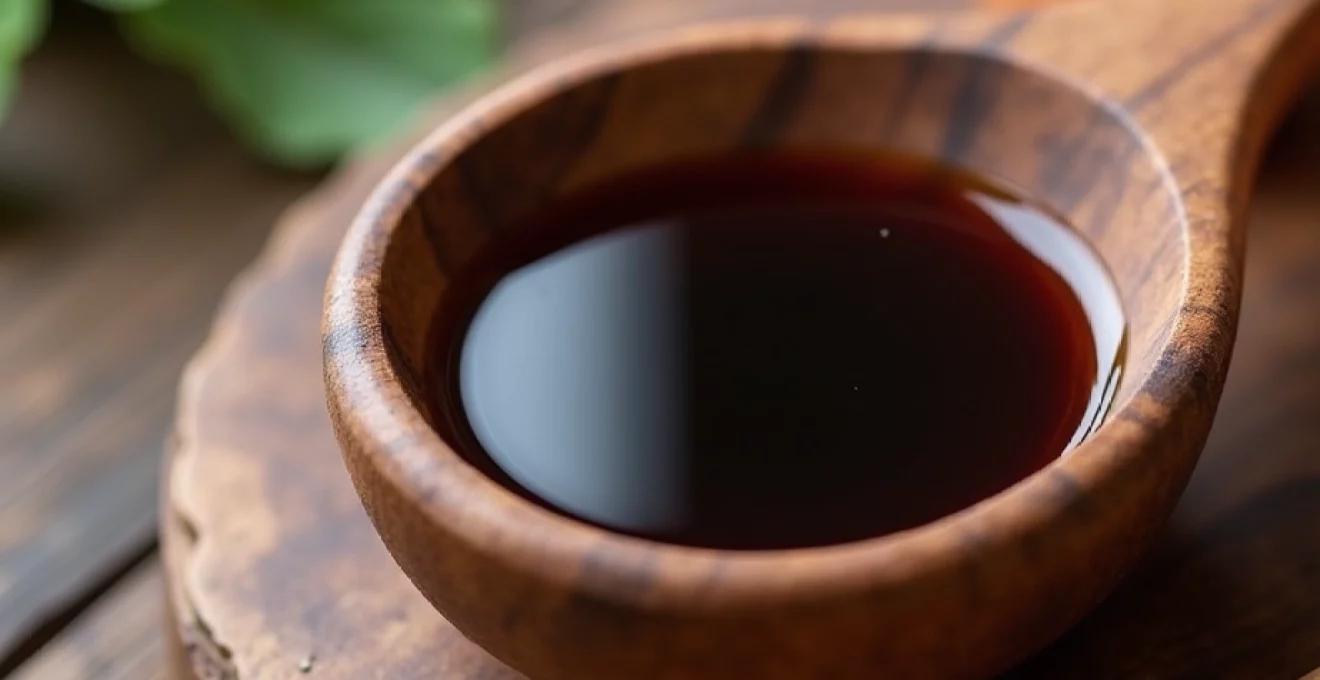
For millions of individuals managing gastroesophageal reflux disease (GERD), navigating dietary choices can feel like walking through a culinary minefield. Every condiment, seasoning, and flavour enhancer requires careful consideration, particularly when it comes to beloved staples like soy sauce. This fermented condiment, deeply embedded in Asian cuisine and increasingly popular worldwide, presents a complex challenge for those experiencing acid reflux symptoms.
The relationship between soy sauce consumption and GERD symptoms isn’t straightforward, involving multiple factors from sodium content to fermentation byproducts. Understanding these nuances becomes crucial for maintaining both digestive health and culinary enjoyment. Modern research reveals that not all soy sauces are created equal, with significant variations in acidity levels, sodium concentrations, and inflammatory compounds that can dramatically impact your digestive comfort.
Gastroesophageal reflux disease pathophysiology and dietary triggers
Gastroesophageal reflux disease represents a chronic condition where stomach contents, including gastric acid, repeatedly flow backward into the oesophagus. This backward flow occurs when the lower oesophageal sphincter fails to maintain proper pressure, creating an environment where acidic stomach contents can irritate the delicate oesophageal lining. The condition affects approximately 20% of the Western population, making dietary management strategies increasingly important for symptom control.
The pathophysiology of GERD involves multiple interconnected mechanisms that can be significantly influenced by dietary choices. Certain foods and beverages can directly weaken the lower oesophageal sphincter, increase gastric acid production, or delay gastric emptying. Understanding these mechanisms helps explain why specific condiments like soy sauce might trigger symptoms in susceptible individuals . The inflammatory cascade triggered by repeated acid exposure can lead to complications including oesophagitis, Barrett’s oesophagus, and potentially oesophageal adenocarcinoma.
Lower oesophageal sphincter dysfunction mechanisms
The lower oesophageal sphincter acts as a critical barrier between the stomach and oesophagus, maintaining pressures of 15-25 mmHg during rest periods. When this muscular valve becomes compromised, gastric contents can easily reflux into the oesophagus. Various dietary components, including high-fat foods, alcohol, caffeine, and certain preservatives found in processed condiments, can reduce sphincter pressure through hormonal and neural mechanisms.
Sodium-rich foods like traditional soy sauce can indirectly affect sphincter function by promoting fluid retention and increased abdominal pressure. This elevated pressure creates a mechanical force that can overcome weakened sphincter resistance. Additionally, fermented products may contain histamine and other vasoactive compounds that can influence smooth muscle tone throughout the gastrointestinal tract, potentially affecting sphincter competency.
Gastric acid hypersecretion and ph balance disruption
Gastric acid secretion follows complex regulatory pathways involving gastrin, histamine, and acetylcholine. Certain amino acids found in protein-rich condiments can stimulate gastrin release, leading to increased acid production. Soy sauce contains high concentrations of glutamic acid and other amino acids that may trigger this response. The fermentation process also produces organic acids that can contribute to overall gastric acidity.
The normal gastric pH ranges from 1.5-3.5, but dietary factors can influence both acid production and buffering capacity. High-sodium foods can disrupt the delicate balance of gastric secretions , potentially leading to prolonged periods of elevated acidity. This hyperacidic environment increases the potential for tissue damage when reflux episodes occur, explaining why individuals with GERD often experience more severe symptoms after consuming sodium-rich condiments.
Delayed gastric emptying and food stasis effects
Gastroparesis, or delayed gastric emptying, commonly accompanies GERD and can be exacerbated by certain dietary choices. High-sodium foods can slow gastric motility through various mechanisms, including alterations in gastric electrical activity and smooth muscle contractility. When food remains in the stomach for extended periods, the likelihood of reflux episodes increases significantly.
The osmotic effects of concentrated sodium solutions can also draw fluid into the gastric lumen, increasing gastric volume and pressure. This increased volume creates mechanical stress that can overcome lower oesophageal sphincter resistance. Understanding these physiological responses helps explain why timing and quantity of soy sauce consumption can significantly impact symptom severity in GERD patients.
Hiatal hernia complications in GERD progression
Hiatal hernias occur in approximately 95% of patients with severe GERD, creating anatomical changes that compromise the natural anti-reflux mechanisms. The displacement of the gastroesophageal junction above the diaphragm reduces the effectiveness of the lower oesophageal sphincter and eliminates the external compression provided by the crural diaphragm. These anatomical changes make individuals particularly susceptible to dietary triggers.
In patients with hiatal hernias, even small amounts of gastric distension can trigger reflux episodes. High-sodium condiments like soy sauce can promote fluid retention and gastric distension, creating a perfect storm for symptom exacerbation. The combination of mechanical factors and chemical irritants makes dietary modification particularly crucial for this patient population.
Soy sauce chemical composition and gastrointestinal impact
The chemical complexity of soy sauce extends far beyond its primary ingredients of soybeans, wheat, salt, and water. The fermentation process, typically lasting 6-12 months, creates a complex matrix of amino acids, organic acids, esters, and other bioactive compounds. This intricate composition directly influences how soy sauce interacts with the gastrointestinal system, particularly in individuals with compromised digestive function.
Traditional brewing methods produce significantly different chemical profiles compared to chemically hydrolysed versions. Naturally fermented soy sauces contain higher concentrations of beneficial compounds like antioxidants and probiotics, but also potentially problematic substances such as histamine and tyramine. The method of production fundamentally alters the gastric impact of soy sauce, explaining why some individuals tolerate certain brands better than others.
The fermentation process in soy sauce production creates over 300 distinct flavour compounds, many of which can influence gastric acid secretion and oesophageal sensitivity in susceptible individuals.
Sodium chloride concentration in kikkoman and lee kum kee varieties
Sodium content represents one of the most significant concerns for GERD sufferers considering soy sauce consumption. Standard Kikkoman soy sauce contains approximately 920mg of sodium per tablespoon (15ml), while Lee Kum Kee premium varieties can contain up to 1,030mg per tablespoon. These concentrations represent 38-43% of the recommended daily sodium intake in a single serving, making portion control crucial for symptom management.
The high sodium concentration creates multiple pathways for GERD symptom exacerbation. Immediate effects include increased gastric acid secretion and prolonged gastric emptying time. Long-term consequences may include chronic inflammation of the gastric mucosa and alterations in gastric motility patterns. Comparing sodium levels across different brands reveals significant variations that can guide product selection for GERD patients.
Fermentation-derived histamine and tyramine content
The fermentation process that gives soy sauce its characteristic umami flavour also produces biogenic amines, including histamine and tyramine. These compounds can trigger gastric acid secretion through direct stimulation of parietal cells and indirect effects on gastrin release. Histamine concentrations in aged soy sauces can reach levels that provoke symptoms in sensitive individuals, particularly those with concurrent food intolerances.
Tyramine, formed through the decarboxylation of tyrosine during fermentation, can cause vasoconstriction and increased gastric motility in some individuals. While these effects might theoretically improve gastric emptying, the concurrent increase in acid production often outweighs any potential benefits. The concentration of these biogenic amines varies significantly based on fermentation duration and storage conditions , making product selection challenging for sensitive consumers.
Glutamic acid and monosodium glutamate inflammatory response
Glutamic acid naturally occurs in high concentrations in fermented soy products, often reaching levels of 1,000-2,000mg per 100ml of soy sauce. While glutamate serves as an important neurotransmitter and metabolic substrate, excessive concentrations can trigger inflammatory responses in susceptible individuals. The conversion of glutamic acid to glutamine requires significant metabolic resources, potentially compromising other digestive processes.
Some soy sauce manufacturers add monosodium glutamate (MSG) to enhance flavour intensity, creating additional concerns for GERD patients. MSG can stimulate gastric acid secretion through vagal pathways and may contribute to delayed gastric emptying in sensitive individuals. The combined effect of naturally occurring and added glutamate compounds can create a significant inflammatory burden for individuals with compromised digestive function.
Acetic acid ph levels in traditional tamari production
Traditional tamari production results in pH levels typically ranging from 4.6-5.2, making it moderately acidic compared to other condiments. The acetic acid content, primarily formed through secondary fermentation processes, contributes to both flavour development and potential gastric irritation. These organic acids can directly stimulate acid-sensitive receptors in the oesophagus, triggering reflux symptoms even in small quantities.
The buffering capacity of tamari differs significantly from wheat-containing soy sauces due to variations in protein content and amino acid profiles. Lower pH levels combined with reduced buffering capacity can create a more acidic gastric environment when consumed. Understanding these pH variations helps explain why some individuals tolerate tamari better than traditional soy sauce , despite similar sodium content levels.
Clinical evidence on soy sauce GERD exacerbation
Clinical research investigating the relationship between soy sauce consumption and GERD symptoms remains limited, with most evidence derived from observational studies and patient-reported outcomes. A retrospective analysis of 847 GERD patients revealed that 68% reported symptom exacerbation following consumption of high-sodium condiments, with soy sauce ranking among the top five triggers. However, individual responses varied significantly, with 23% of participants reporting no adverse effects from moderate soy sauce consumption.
The variability in clinical responses appears related to multiple factors including baseline gastric acid production, lower oesophageal sphincter competency, and concurrent dietary patterns. Patients consuming soy sauce as part of high-fat meals experienced more severe symptoms compared to those consuming it with rice-based dishes. The timing of consumption also proved crucial , with evening consumption showing stronger correlation with nocturnal reflux symptoms than daytime use.
Gastric pH monitoring studies demonstrate that soy sauce consumption can reduce gastric pH by 0.3-0.8 units within 30 minutes of ingestion, with effects persisting for 2-3 hours. This acidification occurs through multiple mechanisms including direct acid contribution and stimulated gastric secretion. The magnitude of pH change correlates strongly with the volume consumed and individual gastric acid production capacity.
Clinical observations suggest that individuals with mild GERD symptoms may tolerate small amounts of low-sodium soy sauce when consumed with alkaline foods, while those with severe symptoms often require complete avoidance.
Oesophageal manometry studies reveal that high-sodium condiments can reduce lower oesophageal sphincter pressure by 15-25% in susceptible individuals. This reduction typically occurs within 10-15 minutes of consumption and may persist for up to 2 hours. The clinical significance of this pressure reduction depends on baseline sphincter function and concurrent dietary factors that might compound the effect.
Low-sodium soy sauce alternatives for GERD management
The growing awareness of sodium’s impact on GERD symptoms has driven innovation in reduced-sodium soy sauce alternatives. These products typically contain 25-50% less sodium than traditional varieties while attempting to maintain flavour complexity through alternative seasoning compounds. However, the reduction in sodium content doesn’t automatically translate to GERD-friendliness, as other components may still trigger symptoms in sensitive individuals.
Low-sodium alternatives often compensate for reduced saltiness by increasing concentrations of other flavour enhancers, including potassium chloride, yeast extracts, or additional amino acids. While these modifications may reduce the osmotic load and immediate gastric irritation, they can introduce new potential triggers for GERD symptoms. Understanding the complete ingredient profile becomes crucial when evaluating these alternatives for digestive tolerance.
The effectiveness of low-sodium alternatives varies significantly among individuals, with approximately 40% of GERD patients reporting improved tolerance compared to traditional soy sauce. However, 15% of individuals experienced new or different symptoms with alternative formulations, highlighting the importance of individual testing and monitoring. The key lies in finding products that balance flavour satisfaction with digestive comfort.
Bragg liquid aminos amino acid profile analysis
Bragg Liquid Aminos offers a soy-based alternative containing approximately 320mg of sodium per teaspoon, representing a 65% reduction compared to traditional soy sauce. The product undergoes a different processing method that excludes wheat and relies on natural protein hydrolysis rather than fermentation. This process creates a distinct amino acid profile with higher concentrations of free amino acids but lower levels of fermentation-derived compounds.
The amino acid composition includes all essential amino acids, with particularly high levels of glutamic acid (12-15% by weight) and aspartic acid (8-10% by weight). While these amino acids contribute to umami flavour, they can also stimulate gastric acid secretion in sensitive individuals. The absence of fermentation-derived histamine and tyramine may provide better tolerance for some GERD patients, though the high glutamate content remains a potential concern.
Coconut aminos glycaemic index and gastric tolerance
Coconut aminos, derived from coconut palm sap, represents a soy-free alternative with significantly lower sodium content (90-130mg per teaspoon). The glycaemic index of coconut aminos ranges from 35-45, making it suitable for individuals managing both GERD and blood sugar concerns. The natural sweetness from coconut sap can help balance acidity perceptions without adding refined sugars.
Clinical observations suggest that coconut aminos may be better tolerated by GERD patients due to its higher pH (approximately 5.8-6.2) and absence of fermentation-derived irritants. The lower sodium content reduces the risk of gastric distension and delayed emptying. However, the distinct flavour profile may not satisfy individuals accustomed to traditional soy sauce, potentially leading to overconsumption in pursuit of flavour satisfaction.
Reduced-sodium tamari formulations by San-J and wan ja shan
San-J reduced-sodium tamari contains approximately 700mg of sodium per tablespoon, representing a 25% reduction from their standard formulation. The production process maintains traditional fermentation methods while incorporating sodium reduction techniques that preserve flavour complexity. The gluten-free nature of tamari makes it suitable for individuals with concurrent coeliac disease and GERD.
Wan Ja Shan offers multiple reduced-sodium options ranging from 15-40% sodium reduction through various processing modifications. Their “Less Salt” tamari maintains traditional flavour profiles while achieving significant sodium reduction through extended fermentation periods and careful salt management. These products demonstrate that meaningful sodium reduction is possible without completely sacrificing the authentic taste that makes soy sauce appealing to consumers.
Gerd-friendly asian cuisine modification strategies
Adapting Asian cuisine for GERD management requires strategic modifications that maintain cultural authenticity while reducing symptom triggers. The key lies in understanding how traditional cooking methods and ingredient combinations can be modified to support digestive health. This approach involves substituting high-risk ingredients, adjusting preparation methods, and implementing portion control strategies that preserve the dining experience.
Successful Asian cuisine modifications often focus on reducing overall sodium content, managing acidity levels, and incorporating alkaline ingredients that can buffer gastric acid. Traditional techniques like steaming, poaching, and gentle braising naturally align with GERD-friendly cooking methods. The challenge lies in maintaining the complex flavour profiles that define authentic Asian dishes while accommodating digestive sensitivities.
Professional chefs and nutritionists recommend a gradual approach to Asian cuisine modification, allowing individuals to identify their specific tolerance levels for various ingredients and preparation methods
. Professional nutritionists emphasize that successful modifications require understanding both the chemical interactions of ingredients and the physiological responses they trigger in GERD patients.
The foundation of GERD-friendly Asian cuisine modification rests on three core principles: sodium reduction, acid neutralization, and gastric emptying optimization. These principles guide ingredient substitutions, cooking method selections, and portion timing strategies. Rather than completely abandoning beloved flavours, the approach involves strategic ingredient swapping that maintains satisfaction while supporting digestive comfort.
Traditional Asian cooking methods like stir-frying can be modified to reduce oil content and cooking temperatures, minimizing the formation of irritating compounds. Steaming vegetables until just tender preserves nutrients while creating easily digestible textures that promote efficient gastric emptying. The key lies in understanding how traditional techniques can be adapted to support modern digestive health requirements without sacrificing cultural food heritage.
Ingredient timing becomes crucial in GERD-friendly Asian cuisine, with acidic components like vinegar-based sauces added at the end of cooking to minimize their concentration through evaporation. This approach preserves flavour impact while reducing the overall acid load. Professional chefs recommend building flavour layers through herbs, spices, and aromatic vegetables rather than relying heavily on high-sodium condiments for taste development.
The art of GERD-friendly Asian cooking lies not in elimination, but in thoughtful modification that honors traditional flavours while supporting digestive wellness.
Meal composition strategies focus on combining potentially triggering ingredients with alkaline foods that can buffer gastric acidity. Serving small amounts of modified soy sauce alongside steamed jasmine rice, blanched vegetables, and lean proteins creates a balanced meal that minimizes reflux risk. The rice acts as a natural acid buffer while providing bulk that slows gastric emptying, preventing rapid acid reflux episodes.
Restaurant dining presents unique challenges for GERD patients seeking Asian cuisine, but strategic menu navigation can maintain social dining experiences. Requesting sauce modifications, choosing steamed over fried preparations, and practicing portion control allow individuals to participate in cultural dining while managing symptoms. Many Asian restaurants now accommodate dietary restrictions by offering low-sodium sauce options and modified cooking methods upon request.
Home cooking advantages include complete control over ingredient quality, sodium levels, and cooking methods. Preparing large batches of GERD-friendly Asian sauces and marinades ensures consistent symptom management while reducing meal preparation stress. The investment in learning modification techniques pays dividends through sustained enjoyment of cultural foods without compromising digestive health.
The psychological aspects of dietary modification require careful consideration, as food represents cultural identity and emotional comfort for many individuals. Gradual transitions allow taste preferences to adapt while maintaining cultural connections through modified recipes. Family cooking sessions that involve learning new preparation methods can strengthen cultural bonds while supporting health goals.
Seasonal ingredient selections can enhance GERD-friendly Asian cuisine by incorporating naturally alkaline vegetables and fruits that support digestive balance. Spring vegetables like asparagus and peas provide natural alkalinity while summer melons offer cooling properties that can soothe irritated digestive tissues. Understanding seasonal availability helps create varied, nutritionally balanced meal plans that prevent dietary monotony while supporting symptom management.
Professional guidance from registered dietitians specializing in gastrointestinal disorders can accelerate the learning curve for Asian cuisine modification. These experts provide personalized strategies based on individual trigger identification, cultural food preferences, and lifestyle factors. The combination of professional guidance and gradual self-experimentation creates sustainable dietary patterns that support long-term GERD management while preserving cultural food enjoyment.