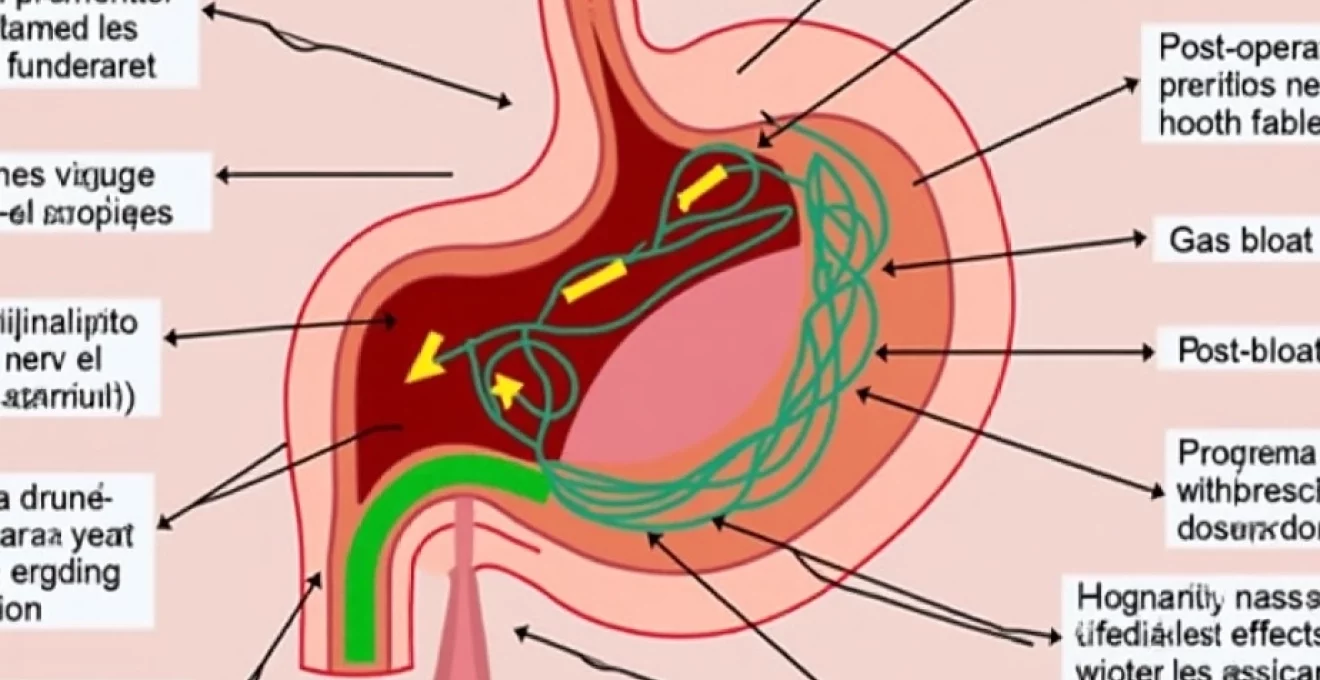
Distinguishing between genuine stomach virus symptoms and post-operative complications following Nissen fundoplication presents a unique diagnostic challenge for both patients and healthcare providers. The anatomical modifications created during this anti-reflux procedure can significantly alter normal gastric function, often producing symptoms that closely mimic viral gastroenteritis. Understanding these differences becomes crucial for appropriate management and preventing unnecessary anxiety in patients who have undergone this transformative surgical intervention.
The complexity arises from the fact that Nissen fundoplication fundamentally changes how the stomach and oesophagus interact. This 360-degree gastric wrap around the lower oesophagus creates a new physiological environment that can manifest symptoms remarkably similar to those experienced during a stomach virus. Patients may find themselves questioning whether their discomfort stems from a genuine infection or represents normal post-operative adaptation.
Recent studies indicate that approximately 15-20% of post-fundoplication patients experience prolonged gastrointestinal symptoms that could be mistaken for viral illness. These symptoms often persist for weeks or even months after surgery, creating ongoing concerns about whether medical intervention is necessary. The challenge becomes even more complex when considering that some patients may indeed contract a stomach virus during their recovery period, potentially exacerbating existing post-operative symptoms.
Understanding nissen fundoplication and its impact on gastric function
The Nissen fundoplication procedure represents one of the most significant anatomical modifications performed in modern gastroesophageal surgery. This laparoscopic technique involves wrapping the gastric fundus completely around the lower oesophagus, creating a 360-degree barrier that prevents acid reflux whilst fundamentally altering normal digestive mechanics. The procedure’s success in treating severe gastroesophageal reflux disease (GERD) comes at the cost of permanent changes to gastric anatomy and function.
Complete 360-degree wrap mechanism and anatomical changes
The creation of a complete gastric wrap involves mobilising the short gastric vessels and ensuring adequate oesophageal length within the abdomen. This process inherently modifies the angle of His, which normally serves as a natural anti-reflux mechanism. The wrap itself becomes a new anatomical structure that must integrate with existing physiological processes, often creating temporary or permanent alterations in gastric emptying patterns.
During the initial healing phase, which typically lasts 4-6 weeks, significant oedema develops around the surgical site. This swelling can create symptoms remarkably similar to those experienced during viral gastroenteritis, including nausea, early satiety, and difficulty with food passage. The anatomical changes also affect the normal coordination between oesophageal peristalsis and gastric accommodation, potentially leading to sensations of fullness and bloating that patients may interpret as viral symptoms.
Post-operative vagus nerve function alterations
The surgical dissection required for Nissen fundoplication inevitably affects vagal nerve branches that innervate the stomach. These parasympathetic fibres play crucial roles in gastric acid secretion, motility, and digestive coordination. Temporary or permanent vagal dysfunction can produce symptoms including delayed gastric emptying, altered gastric acid production, and modified hunger sensations that closely resemble those experienced during viral gastroenteritis.
Research demonstrates that up to 30% of patients experience some degree of vagal dysfunction following fundoplication surgery. This neurological impact can manifest as symptoms including chronic nausea, altered appetite patterns, and digestive discomfort that may persist for months after the procedure. The similarity to viral gastroenteritis symptoms can create significant diagnostic confusion, particularly when patients develop these symptoms weeks or months after their surgery.
Modified gastric motility patterns after laparoscopic surgery
Laparoscopic fundoplication creates permanent alterations in gastric motility patterns that affect how food moves through the digestive system. The wrap itself can impede normal antral contractions, leading to delayed gastric emptying and altered digestive rhythms. These changes often produce symptoms including postprandial fullness, bloating, and discomfort that can easily be mistaken for viral gastroenteritis, particularly when they occur acutely.
The modified anatomy also affects the stomach’s ability to accommodate varying food volumes, leading to early satiety and potential regurgitation. These symptoms can develop suddenly, even months after surgery, creating situations where patients assume they have contracted a stomach virus when their symptoms actually represent normal post-operative adaptation or complications such as wrap loosening.
Lower oesophageal sphincter pressure modifications
The Nissen wrap creates an artificial increase in lower oesophageal sphincter pressure, fundamentally altering how food and gas move between the oesophagus and stomach. This modification affects the body’s natural ability to belch and can lead to gas accumulation within the stomach, creating bloating and discomfort similar to that experienced during viral infections. The inability to release gastric gas through belching can create a sensation of trapped air that patients may interpret as stomach virus symptoms.
Studies indicate that approximately 40-50% of post-fundoplication patients experience some degree of gas-bloat syndrome, which can manifest as symptoms remarkably similar to viral gastroenteritis. The chronic nature of these symptoms can create ongoing diagnostic challenges, particularly when patients experience acute exacerbations that mimic viral illness patterns.
Distinguishing Post-Fundoplication gastric symptoms from viral gastroenteritis
The differentiation between post-operative complications and genuine viral gastroenteritis requires careful analysis of symptom patterns, timing, and associated clinical features. Understanding these distinctions becomes crucial for appropriate management and can prevent unnecessary medical interventions or delayed treatment of genuine complications. The challenge lies in recognising that post-fundoplication symptoms can be both chronic and acute, sometimes overlapping significantly with viral illness presentations.
Several key factors help distinguish between these conditions, including symptom duration, response to interventions, associated signs, and relationship to dietary intake. Post-operative symptoms tend to have specific triggers and patterns that differ from those typically seen in viral gastroenteritis. Additionally, the absence of certain systemic symptoms commonly associated with viral infections can provide important diagnostic clues.
Dumping syndrome manifestations versus norovirus symptoms
Dumping syndrome represents one of the most commonly misdiagnosed post-fundoplication complications, often mistaken for viral gastroenteritis due to similar symptom presentation. This condition occurs when food moves too rapidly from the stomach into the small intestine, creating symptoms including nausea, cramping, weakness, and diarrhoea. The key distinguishing feature lies in the direct relationship between symptom onset and food consumption, particularly sugary or refined carbohydrates.
Unlike norovirus infections, which typically present with sudden onset of vomiting and diarrhoea accompanied by systemic symptoms such as fever and malaise, dumping syndrome symptoms occur predictably after meals and improve with dietary modifications. The absence of fever, body aches, and the characteristic projectile vomiting associated with norovirus can help differentiate these conditions. Additionally, dumping syndrome symptoms often follow a biphasic pattern, with early symptoms occurring within 30 minutes of eating and late symptoms developing 1-3 hours post-meal.
Gas-bloat syndrome differential diagnosis criteria
Gas-bloat syndrome affects a significant percentage of post-fundoplication patients and creates symptoms that can easily be confused with viral gastroenteritis. The condition results from the inability to effectively belch combined with altered gastric motility patterns, leading to gas accumulation and associated discomfort. Patients typically experience progressive abdominal distension, particularly after meals, along with feelings of fullness and nausea that can mimic viral symptoms.
The distinguishing features of gas-bloat syndrome include its progressive nature throughout the day, improvement with specific positioning or activities, and the absence of systemic illness symptoms. Unlike viral gastroenteritis, which typically includes fever, malaise, and acute onset of vomiting and diarrhoea, gas-bloat syndrome develops gradually and often responds to dietary modifications and postural changes. The chronic nature of these symptoms, often persisting for weeks or months, also helps differentiate them from acute viral illnesses.
Wrap failure indicators compared to rotavirus clinical presentation
Wrap failure represents a serious post-operative complication that can present with acute symptoms resembling viral gastroenteritis. When the fundoplication wrap loosens or migrates, patients may experience sudden onset of nausea, vomiting, and abdominal pain that closely mimics rotavirus infection. However, several key features help distinguish wrap failure from viral illness, including the relationship to positioning and the presence of returning reflux symptoms.
Unlike rotavirus, which typically affects multiple household members and follows a predictable course with fever and systemic symptoms, wrap failure symptoms often worsen with lying flat and may be accompanied by the return of heartburn or regurgitation. The acute nature of symptom onset in wrap failure can be particularly confusing, as patients who have been asymptomatic for months may suddenly develop severe nausea and vomiting. However, the absence of diarrhoea and fever, combined with positional worsening of symptoms, helps differentiate this condition from viral gastroenteritis.
Post-operative gastroparesis symptoms mimicking viral illness
Gastroparesis, or delayed gastric emptying, can develop following Nissen fundoplication and create symptoms remarkably similar to viral gastroenteritis. This condition results from temporary or permanent damage to gastric innervation during surgery, leading to impaired stomach motility and food stasis. Patients typically experience nausea, vomiting, early satiety, and abdominal discomfort that can easily be mistaken for stomach virus symptoms.
The key differentiating features include the relationship between symptoms and food intake, the presence of undigested food in vomitus, and the chronic progressive nature of the condition. Unlike viral gastroenteritis, which typically resolves within 3-5 days, gastroparesis symptoms persist and often worsen over time without appropriate intervention. Additionally, the vomiting associated with gastroparesis often contains recognisable food particles consumed hours or days previously, unlike the bilious or watery vomiting typical of viral infections.
Anatomical complications masquerading as stomach virus symptoms
Several anatomical complications following Nissen fundoplication can present with acute symptoms that closely mimic viral gastroenteritis, creating diagnostic challenges that require careful evaluation. These complications often develop weeks or months after surgery , making the connection to the previous procedure less obvious to both patients and healthcare providers. Understanding these potential complications and their presentations becomes crucial for timely diagnosis and appropriate management.
Wrap migration represents one of the most serious complications that can create symptoms resembling viral illness. When the fundoplication wrap moves from its intended position around the oesophagus, it can create acute obstruction or interference with normal gastric function. This typically presents with sudden onset of severe nausea, vomiting, and inability to keep food or liquids down, symptoms that can easily be mistaken for severe viral gastroenteritis. However, the anatomical nature of this complication often creates unique features that help distinguish it from viral illness.
The development of para-oesophageal herniation following fundoplication surgery can also create symptoms that mimic stomach virus infections. When portions of the stomach herniate through the diaphragmatic crura alongside the oesophagus, patients may experience intermittent nausea, vomiting, and abdominal pain that can be mistaken for recurrent viral episodes. The key distinguishing features include the relationship to positioning, with symptoms often worsening when lying flat or bending forward, and the intermittent nature of symptom episodes rather than the continuous progression typical of viral gastroenteritis.
Adhesional small bowel obstruction, while less common, can develop following laparoscopic fundoplication and present with symptoms resembling viral gastroenteritis. The formation of scar tissue bands within the abdomen can create intermittent or complete bowel obstruction, leading to nausea, vomiting, and abdominal distension. Unlike viral infections, these symptoms typically worsen progressively and may be accompanied by the cessation of bowel movements and gas passage.
The anatomical changes created during fundoplication surgery can produce symptoms that persist for months, making it essential for patients to understand the difference between normal post-operative adaptation and complications requiring medical intervention.
Intrathoracic wrap migration represents another serious complication that can create acute symptoms mimicking severe viral gastroenteritis. When the entire fundoplication wrap migrates through the diaphragmatic hiatus into the chest cavity, patients typically experience severe nausea, vomiting, and chest pain that can be mistaken for viral illness combined with respiratory infection. The presence of chest pain and potential respiratory symptoms helps differentiate this condition from simple viral gastroenteritis, though the acute nature of symptom onset can create diagnostic confusion.
Paraesophageal recurrence following fundoplication can also create symptoms that patients may attribute to recurrent viral infections. When the repair fails and portions of the stomach again herniate into the chest, patients may experience episodic symptoms including nausea, early satiety, and discomfort that can be mistaken for repeated viral illnesses. The key distinguishing features include the relationship to meals and positioning, along with the gradual return of reflux symptoms that were previously controlled by the surgery.
Medication-related gastrointestinal symptoms Post-Fundoplication
The pharmaceutical management of patients following Nissen fundoplication often involves medications that can produce gastrointestinal symptoms remarkably similar to viral gastroenteritis. Understanding these medication-related effects becomes crucial for proper symptom interpretation and management. Many patients experience medication-induced symptoms that can easily be mistaken for viral infections, particularly during the early post-operative period when multiple medications may be prescribed simultaneously.
Proton pump inhibitor withdrawal effects after omeprazole discontinuation
Following successful fundoplication surgery, many patients discontinue long-term proton pump inhibitor (PPI) therapy, which can create rebound acid hypersecretion and associated symptoms. The withdrawal from medications such as omeprazole can produce nausea, abdominal discomfort, and digestive disturbances that closely resemble viral gastroenteritis symptoms. This rebound phenomenon typically occurs within 2-8 weeks of PPI discontinuation and can persist for several weeks as gastric acid production normalises.
The key distinguishing features of PPI withdrawal symptoms include their timing relative to medication cessation, the absence of fever or systemic illness signs, and the potential improvement with temporary acid suppression therapy. Unlike viral gastroenteritis, these symptoms often improve with dietary modifications and tend to follow a predictable course related to the gradual normalisation of gastric acid production patterns.
Antiemetic medication side effects following ondansetron administration
Ondansetron and other antiemetic medications commonly prescribed following fundoplication surgery can paradoxically create gastrointestinal symptoms that mimic viral infections. These medications can cause constipation, abdominal cramping, and altered bowel patterns that patients may interpret as signs of viral gastroenteritis. The 5-HT3 receptor antagonist effects of ondansetron can also create headaches and fatigue that resemble systemic viral illness symptoms.
The timing of these symptoms relative to medication initiation, along with the absence of typical viral gastroenteritis features such as diarrhoea and vomiting, helps differentiate medication-related effects from genuine viral infections. Additionally, the symptoms typically improve with medication discontinuation or dose reduction, unlike viral illnesses which follow their natural course regardless of medication changes.
Prokinetic agent reactions to domperidone or metoclopramide
Prokinetic medications prescribed to improve gastric motility following fundoplication can create side effects that resemble viral gastroenteritis symptoms. Metoclopramide, in particular, can cause nausea, cramping, and alterations in bowel patterns that patients may attribute to viral infection. The dopamine antagonist effects of these medications can also produce fatigue, mood changes, and neurological symptoms that may be mistaken for systemic viral illness effects.
Domperidone, while generally better tolerated than metoclopramide, can still produce gastrointestinal symptoms including nausea and abdominal cramping that mimic viral infections. The key distinguishing feature lies in the timing of symptom onset relative to medication initiation and the improvement that typically occurs with dose adjustment or medication discontinuation. Unlike viral gastroenteritis, these medication-related symptoms often have a dose-dependent relationship and may be accompanied by other medication-specific side effects.
Clinical assessment protocols for Post-Fundoplication gastric disturbances
Establishing comprehensive assessment protocols for post-fundoplication patients experiencing gastric symptoms requires systematic evaluation approaches that can effectively differentiate between viral infections
and post-operative complications. These protocols must incorporate temporal relationships between symptoms and surgical intervention, medication history, and specific clinical features that distinguish viral gastroenteritis from surgery-related complications. A structured approach to symptom evaluation enables healthcare providers to make accurate diagnoses whilst avoiding unnecessary investigations or treatments.
The initial assessment should focus on symptom timing, with particular attention to the relationship between symptom onset and the surgical procedure. Symptoms appearing within the first 6-8 weeks post-surgery are more likely related to normal healing processes or early complications, whilst symptoms developing months after surgery may indicate late complications or genuine viral infections. The assessment protocol should also evaluate symptom triggers, including relationships to food intake, positioning, and specific dietary components.
Laboratory investigations play a crucial role in differentiating viral gastroenteritis from post-operative complications. Complete blood count with differential can identify viral infections through lymphocytosis, whilst inflammatory markers such as C-reactive protein and erythrocyte sedimentation rate help distinguish infectious processes from mechanical complications. Stool cultures and viral antigen testing become particularly important when multiple household members are affected or when symptoms follow typical viral gastroenteritis patterns.
Imaging studies provide essential diagnostic information when clinical assessment remains inconclusive. Upper gastrointestinal contrast studies can identify anatomical complications such as wrap migration or herniation, whilst computed tomography with oral contrast helps evaluate for small bowel obstruction or other structural abnormalities. The timing of these investigations should be guided by symptom severity and clinical suspicion of specific complications.
Endoscopic evaluation may be necessary in cases where structural complications are suspected or when symptoms persist despite conservative management. Upper endoscopy can directly visualise wrap integrity, identify mucosal abnormalities, and assess for anatomical distortions that may be causing symptoms. However, the timing of endoscopic intervention must be carefully considered, particularly in the early post-operative period when tissue healing may be compromised.
Systematic clinical assessment protocols help distinguish between viral gastroenteritis and post-fundoplication complications, enabling appropriate management decisions and reducing patient anxiety about symptom significance.
Long-term management strategies for persistent gastrointestinal symptoms
The long-term management of patients experiencing persistent gastrointestinal symptoms following Nissen fundoplication requires a comprehensive, multimodal approach that addresses both anatomical and functional aspects of post-operative adaptation. Effective management strategies must consider the complex interplay between surgical modifications, healing processes, and individual patient factors that influence symptom development and resolution.
Dietary modification represents the cornerstone of long-term symptom management for post-fundoplication patients. The implementation of structured eating protocols, including small frequent meals, thorough chewing, and avoiding carbonated beverages, helps optimise gastric function within the constraints of the modified anatomy. Patients should be educated about the permanent nature of certain dietary restrictions and provided with practical strategies for managing social eating situations and travel.
Pharmacological interventions play a crucial role in managing specific post-operative symptoms that may be mistaken for viral gastroenteritis. Prokinetic agents such as domperidone or metoclopramide can improve gastric motility in patients with gastroparesis, whilst antiemetic medications help control persistent nausea. The judicious use of acid suppression therapy may be necessary in some patients, despite successful fundoplication, particularly during periods of acute symptom exacerbation.
Patient education programs significantly improve long-term outcomes by helping patients understand normal post-operative expectations and recognise when symptoms require medical attention. These programs should include information about the expected timeline for symptom resolution, dietary guidelines, and specific warning signs that indicate complications requiring immediate medical evaluation. Regular follow-up appointments enable ongoing assessment of symptom patterns and adjustment of management strategies as needed.
The development of symptom monitoring tools and patient-reported outcome measures helps track progress and identify concerning symptom patterns that may indicate complications. These tools should incorporate validated questionnaires that assess symptom severity, functional impact, and quality of life measures. Regular monitoring enables early identification of problems and facilitates timely interventions before complications become severe.
Multidisciplinary team involvement enhances the management of complex cases where symptoms persist despite standard interventions. Collaboration between surgeons, gastroenterologists, dietitians, and mental health professionals ensures comprehensive care that addresses all aspects of post-operative adaptation. This team-based approach becomes particularly important for patients experiencing anxiety about symptom significance or those with complex medical histories that complicate diagnosis and management.
When conservative management fails to adequately control symptoms, surgical revision may be necessary to address anatomical complications or modify the original repair. The decision for revision surgery requires careful consideration of symptom severity, impact on quality of life, and objective evidence of anatomical problems. Patients should be counselled about the risks and benefits of revision procedures, including the potential for persistent symptoms and the need for ongoing medical management.
The establishment of clear communication pathways between patients and healthcare providers facilitates prompt evaluation of concerning symptoms and reduces anxiety about symptom significance. Patients should have access to nursing specialists familiar with post-fundoplication care and clear guidelines about when to seek urgent medical attention. This communication framework helps distinguish between symptoms requiring immediate evaluation and those that can be managed with conservative measures or routine follow-up.