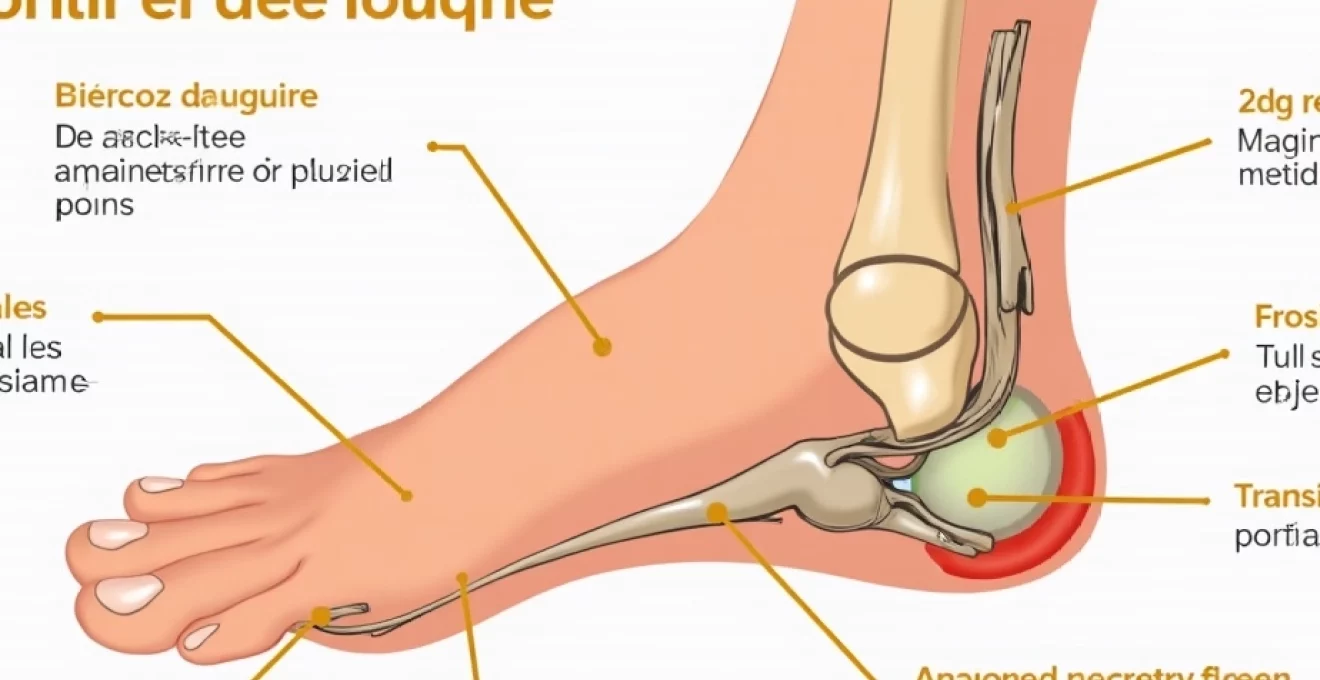
Big toe joint fusion, medically known as arthrodesis of the first metatarsophalangeal joint, represents one of the most effective surgical interventions for severe hallux rigidus and advanced arthritis affecting the great toe. This procedure, whilst permanently eliminating joint movement, offers exceptional pain relief and functional improvement for patients whose quality of life has been significantly compromised by debilitating toe arthritis. The fusion process involves removing damaged cartilage and bone surfaces before securing the joint with surgical hardware, creating a solid, pain-free union.
Understanding the comprehensive recovery timeline proves essential for achieving optimal outcomes following this transformative procedure. The eight-week journey encompasses distinct phases, each requiring specific protocols and expectations that directly influence long-term success. Patient compliance during the initial recovery period significantly impacts both healing quality and return to normal activities, making informed preparation and adherence to medical guidelines absolutely critical.
Pre-operative preparation and hallux rigidus assessment
Comprehensive pre-operative assessment forms the foundation of successful big toe fusion surgery, with thorough evaluation of arthritis severity guiding surgical approach and post-operative protocols. Hallux rigidus , the medical term describing arthritis of the great toe joint, manifests through progressive stiffness, pain, and functional limitation that conservative treatments cannot adequately address. Advanced imaging studies, including weight-bearing radiographs and occasionally MRI scans, provide surgeons with detailed anatomical information essential for surgical planning and hardware selection.
The pre-surgical clinic appointment serves multiple critical functions beyond medical history documentation and medication reconciliation. Patients receive comprehensive education regarding post-operative expectations, pain management strategies, and mobility restrictions that will define their recovery journey. This consultation period allows healthcare providers to assess home environment suitability, ensuring adequate support systems exist for the initial non-weight bearing phase. Patient education during this phase significantly reduces anxiety whilst establishing realistic expectations for the recovery timeline ahead.
Successful arthrodesis outcomes depend heavily on patient understanding of post-operative restrictions and commitment to following medical guidelines throughout the eight-week recovery period.
Optimisation of patient health status before surgery directly correlates with improved healing outcomes and reduced complication rates. Smoking cessation proves absolutely essential, as tobacco use dramatically increases non-union rates and delays bone healing processes. Nutritional assessment ensures adequate protein intake and vitamin supplementation, particularly vitamin C and vitamin D, which support optimal bone formation and soft tissue healing. Diabetic patients require careful glucose control optimisation, as elevated blood sugar levels significantly impair wound healing and increase infection risk.
First fortnight Post-Arthrodesis: immediate recovery protocols
The initial fourteen days following big toe fusion surgery represent the most critical period for establishing proper healing foundations and preventing complications that could compromise long-term outcomes. During this phase, surgical site protection takes absolute priority, with patients maintaining strict non-weight bearing status through the operative foot whilst managing expected post-operative discomfort and swelling. The immediate post-surgical period requires meticulous attention to elevation protocols, pain management strategies, and wound care procedures that collectively determine early recovery success.
Non-weight bearing phase management with CAM boot immobilisation
Complete non-weight bearing during the first two weeks proves essential for protecting the surgical fusion site whilst initial bone healing commences. Patients receive either a post-operative surgical sandal or controlled ankle motion (CAM) walker boot, depending on bone quality and surgical technique employed. The CAM boot provides superior protection and stability compared to traditional surgical sandals, particularly benefiting patients with osteoporotic bone or complex fusion procedures requiring additional hardware placement.
Proper crutch technique training ensures safe mobility whilst maintaining non-weight bearing status throughout daily activities. Physiotherapist instruction during the hospital stay covers essential skills including stair navigation, bathroom safety, and transfer techniques that prevent inadvertent weight placement on the operative foot. Patients must understand that even brief weight-bearing episodes during this critical period can disrupt the initial healing process and potentially compromise fusion success.
Surgical site care and infection prevention following cheilectomy alternative
Meticulous wound care during the immediate post-operative period significantly reduces infection risk whilst promoting optimal incision healing. The surgical dressing must remain completely dry and intact for the first 48-72 hours, with waterproof protection essential during bathing activities. Patients receive specific instructions regarding shower techniques using waterproof covers or plastic bags secured with medical tape to maintain dressing integrity whilst ensuring personal hygiene needs are met.
Early infection recognition proves critical, as post-operative infections can lead to serious complications requiring additional surgical intervention and prolonged antibiotic treatment. Warning signs include increasing pain after the initial 3-4 day period, excessive warmth around the surgical site, purulent drainage, or red streaking extending from the incision. Unlike less invasive procedures such as cheilectomy , which involves only bone spur removal, fusion surgery creates larger surgical wounds requiring more vigilant monitoring and care protocols.
Pain management strategies beyond standard opioid protocols
Effective pain management during the initial recovery phase combines pharmaceutical interventions with non-pharmacological strategies to optimise comfort whilst minimising opioid dependency risks. The prescribed pain medication regimen typically includes a combination of acetaminophen, anti-inflammatory medications when not contraindicated, and short-term opioid prescriptions for breakthrough pain management. Patients should avoid ibuprofen and other NSAIDs during the bone healing phase, as these medications can interfere with fusion processes.
Non-pharmaceutical pain management techniques provide valuable supplementary relief whilst reducing overall medication requirements. Ice therapy applied for 15-20 minute intervals several times daily helps control both pain and swelling, though ice must never be applied directly to skin or over surgical dressings. Distraction techniques, relaxation exercises, and maintaining regular sleep schedules contribute significantly to overall pain perception and recovery quality. Elevation combined with appropriate positioning often provides more effective pain relief than increased medication dosages alone.
Elevation techniques for optimal lymphatic drainage and oedema control
Proper foot elevation proves essential for minimising post-operative swelling and promoting optimal circulation during the initial recovery phase. The affected foot should be elevated above heart level whenever possible, utilising multiple pillows or specialised elevation devices to maintain comfortable positioning for extended periods. Effective elevation requires the entire leg to be supported, preventing pressure points behind the knee that could impair circulation or cause additional discomfort.
Understanding the physiological principles behind elevation helps patients appreciate its importance in their recovery process. Gravity-assisted lymphatic drainage reduces tissue fluid accumulation whilst improving venous return, both essential for optimal healing and comfort. Patients spending excessive time with their foot in dependent positions often experience increased swelling, pain, and delayed healing, making consistent elevation adherence critical for recovery success.
Weeks three to four: progressive Weight-Bearing transition
The third and fourth weeks mark a significant transition period where patients begin carefully introducing weight-bearing activities whilst maintaining protective measures essential for continued healing success. This phase requires careful balance between progressive mobilisation and continued protection of the fusion site, as premature return to full activity can compromise healing whilst excessive restriction may lead to unnecessary stiffness and functional limitations. The timing of weight-bearing progression depends on individual healing rates, bone quality, and radiographic evidence of initial fusion progression.
Partial Weight-Bearing introduction with surgical shoe adaptation
Gradual introduction of partial weight-bearing typically begins during the third week, following clinical assessment confirming appropriate early healing progression. Patients transition from complete non-weight bearing to protected weight-bearing using their surgical shoe or CAM boot whilst maintaining crutch support for balance and comfort. The initial weight-bearing attempts should focus on heel contact only, avoiding pressure through the forefoot region where the fusion site remains vulnerable to disruption.
Progressive weight-bearing advancement follows a structured protocol that increases loading gradually over several days to weeks. Initial attempts involve simply touching the foot to the ground whilst maintaining full body weight support through crutches, progressing to partial weight acceptance as comfort and stability improve. Patients must understand that discomfort during initial weight-bearing attempts is normal, but sharp or severe pain indicates excessive loading that requires immediate activity modification. The surgical shoe’s rigid sole design specifically protects the fusion site whilst allowing safe mobility during this transitional phase.
Physiotherapy initiation focusing on ankle mobility preservation
Early physiotherapy intervention during weeks three to four focuses on maintaining ankle and lower leg mobility whilst respecting the big toe fusion site restrictions. Range of motion exercises for the ankle joint prevent stiffness and maintain circulation without disturbing the healing fusion. These exercises include gentle ankle pumps, circles, and dorsiflexion-plantarflexion movements that can be performed safely whilst seated with the foot elevated.
Physiotherapists also address compensatory movement patterns that may develop due to altered gait mechanics during the protected weight-bearing phase. Hip and knee exercises help maintain overall lower extremity strength whilst preventing secondary complications such as hip flexor tightness or quadriceps weakness. Early intervention during this phase proves more effective than attempting to address compensatory issues after they become established patterns later in recovery.
Radiographic assessment timing for bone fusion evaluation
The first post-operative radiographs typically occur around the third to fourth week, providing initial assessment of hardware positioning and early fusion progress. These imaging studies help surgeons evaluate the alignment of the fused joint and confirm that surgical hardware remains in appropriate position without signs of loosening or migration. Early radiographic evaluation serves as a baseline for comparison with subsequent imaging studies throughout the healing process.
Understanding radiographic findings helps patients appreciate their healing progress, though complete fusion typically requires 6-12 weeks to achieve solid bony union. Early radiographs may show initial bone healing signs such as callus formation around the fusion site, but definitive fusion confirmation requires later imaging studies. Patients should understand that radiographic healing often lags behind clinical improvement, meaning they may feel better before imaging studies show complete fusion.
Activity modification guidelines for daily living tasks
Adapting daily activities during the third and fourth weeks requires creative problem-solving and continued attention to fusion site protection whilst gradually expanding functional capabilities. Kitchen activities can be performed using rolling carts or stools to minimise standing time, whilst bathroom modifications such as shower chairs provide safety and comfort during personal hygiene tasks. Energy conservation techniques help patients accomplish necessary tasks without excessive fatigue or prolonged weight-bearing stress.
Work-related considerations during this phase depend heavily on occupational demands and commuting requirements. Sedentary jobs may allow return to work during this period if adequate foot elevation can be maintained and transportation arrangements accommodate mobility restrictions. Manual labour positions typically require continued absence until full weight-bearing clearance, usually not achieved until six to eight weeks post-operatively. Employers often appreciate medical documentation clearly outlining activity restrictions and expected timeline for full duty return.
Mid-recovery phase: weeks five to six rehabilitation
The fifth and sixth weeks represent a pivotal transition period where most patients experience significant improvement in comfort levels and begin expanding their activity repertoire under continued medical supervision. This phase typically coincides with suture removal and initial clearance for protected weight-bearing advancement, marking a psychological milestone that reinforces healing progress. However, patients must maintain realistic expectations, as complete fusion typically requires additional weeks to achieve solid bony union capable of supporting unrestricted activities.
During this mid-recovery phase, the focus shifts from purely protective measures to active rehabilitation strategies that promote optimal long-term functional outcomes. Progressive loading exercises begin under physiotherapy guidance, carefully balancing tissue stress necessary for proper healing with protection against excessive forces that could compromise fusion integrity. Patients often report dramatic improvement in pain levels during this period, though residual swelling and stiffness remain normal findings that gradually resolve over subsequent months.
Radiographic assessment during the fifth to sixth week typically demonstrates early fusion progress, though complete bony union may not yet be evident on imaging studies. The presence of bridging callus formation and absence of hardware loosening or migration provides reassurance regarding healing progression. Surgeons use this information combined with clinical examination findings to guide activity advancement and determine appropriate timeline for transition to regular footwear. Patient education regarding realistic expectations during this phase proves essential for preventing premature return to high-impact activities that could jeopardise fusion success.
Advanced recovery: weeks seven to eight optimisation
The seventh and eighth weeks mark the transition toward normalised function whilst maintaining appropriate precautions for the maturing fusion site. During this advanced recovery phase, patients typically achieve significant independence in daily activities and begin contemplating return to work and recreational pursuits. The focus shifts from protection-based strategies to optimisation of long-term functional outcomes through targeted rehabilitation and gradual activity progression under medical guidance.
Full Weight-Bearing transition and gait pattern normalisation
Transition to full weight-bearing typically occurs during the seventh week, following radiographic confirmation of adequate fusion progression and clinical assessment demonstrating appropriate healing. This milestone represents a significant psychological victory for patients who have maintained activity restrictions for nearly two months. Initial full weight-bearing attempts should occur in the protective surgical shoe or CAM boot, with gradual transition to regular footwear based on comfort and swelling levels.
Gait normalisation requires conscious effort and often benefits from formal physiotherapy intervention to address compensatory movement patterns developed during the protected weight-bearing phase. Walking re-education focuses on achieving symmetric step length, appropriate heel-to-toe progression, and normal cadence whilst respecting the permanent stiffness at the fused joint. Patients must understand that some gait modifications are permanent due to the loss of big toe joint flexibility, but most individuals adapt well to these changes without functional limitations.
Footwear selection criteria for Post-Fusion biomechanics
Appropriate footwear selection becomes critically important as patients transition away from protective surgical shoes toward regular footwear options. The fused big toe joint requires shoes with adequate toe box depth and width to accommodate potential swelling whilst providing appropriate support for the altered foot mechanics. Heel height limitations typically restrict patients to maximum heights of 1-2 centimetres, as higher heels place excessive stress on the fused joint and surrounding structures.
Shoe characteristics that optimise comfort and function for post-fusion patients include firm sole construction that provides stability and support, adequate arch support to distribute weight effectively, and materials that accommodate residual swelling without causing pressure points. Custom orthotics may prove beneficial for some patients, particularly those with concurrent foot conditions or biomechanical abnormalities that could affect long-term comfort and function. Athletic shoes with appropriate modifications often provide the best combination of comfort, support, and accommodation for post-fusion foot mechanics.
Return-to-work protocols based on occupational demands
Return-to-work timing varies significantly based on occupational physical demands, commuting requirements, and individual healing progression. Sedentary office positions typically allow return during the sixth to eighth week, provided adequate footwear accommodation and occasional elevation opportunities exist. Jobs requiring prolonged standing, walking, or physical labour generally require 10-12 weeks for safe return to full duties, though modified duty arrangements may allow earlier return with appropriate restrictions.
Occupational therapy consultation proves valuable for patients whose work involves specific physical demands or specialised equipment operation. Workplace accommodation strategies may include ergonomic modifications, schedule adjustments, or temporary duty restrictions that facilitate safe return whilst protecting the healing fusion site. Communication with employers regarding medical restrictions and expected timeline for full duty return helps ensure appropriate expectations and accommodation arrangements.
Scar tissue management and adhesion prevention techniques
Scar tissue management during the seventh and eighth weeks focuses on promoting optimal healing whilst preventing excessive adhesion formation that could limit long-term comfort and function. Gentle scar massage techniques, introduced once the incision is fully healed and sutures removed, help promote tissue mobility and reduce sensitivity around the surgical site. Moisturisation with appropriate topical agents maintains skin flexibility whilst reducing the risk of excessive scar tissue formation.
Understanding normal versus problematic scar formation helps patients identify issues requiring medical attention whilst managing expectations regarding permanent changes in sensation and appearance. Some degree of numbness or altered sensation around the surgical site is normal and often permanent, though most patients adapt well to these changes. Persistent pain, excessive thickness, or problematic sensitivity may indicate hypertrophic scar formation requiring specialised treatment approaches.
Long-term outcomes and complications prevention strategies
Achieving optimal long-term outcomes following big toe fusion requires understanding potential complications and implementing prevention strategies that extend well beyond the initial eight-week recovery period. Success rates for big toe arthrodesis exceed 90% when patients adhere to appropriate post-operative protocols and maintain realistic activity expectations. However, certain complications can occur months or even years after surgery, making ongoing awareness and prevention strategies essential for maintaining optimal function and comfort.
Non-union represents the most significant long-term complication risk, occurring in approximately 5-10% of patients despite appropriate surgical technique and post-operative care. Risk factors for fusion failure include smoking, diabetes, poor bone quality, and premature return to high
-impact activities. Smoking cessation proves absolutely critical for fusion success, as tobacco use dramatically impairs bone healing processes and increases non-union rates by up to 400%. Diabetic patients require ongoing glucose control optimisation, as persistently elevated blood sugar levels significantly compromise bone formation and increase complication risks throughout the healing period.
Adjacent joint arthritis represents another potential long-term concern, with approximately 15-20% of patients developing some degree of arthritis in surrounding joints over 5-10 years post-surgery. This secondary arthritis typically affects the interphalangeal joint of the big toe or the second metatarsophalangeal joint due to altered biomechanics following fusion. Prevention strategies include maintaining appropriate body weight, selecting proper footwear, and engaging in regular low-impact exercise that promotes joint health without excessive stress on the foot structures.
Hardware-related complications can occur months or years after surgery, though removal is only necessary in approximately 5% of cases. Screw prominence, loosening, or irritation may develop as swelling subsides and foot shape changes during the extended healing process. Patients should understand that hardware removal, when necessary, represents a minor outpatient procedure that typically provides complete symptom resolution. Regular follow-up appointments during the first year help identify potential hardware issues before they become symptomatic problems requiring intervention.
Infection prevention extends beyond the immediate post-operative period, particularly for patients with diabetes, compromised immune systems, or other risk factors that predispose to delayed complications. Proper foot hygiene, appropriate wound monitoring skills, and prompt medical attention for any concerning changes help prevent serious infectious complications. Patient education regarding infection warning signs should continue throughout the first year, as late infections, though rare, can occur and require aggressive treatment to preserve fusion integrity and overall foot health.
Long-term success following big toe fusion depends on patient commitment to lifestyle modifications, appropriate footwear selection, and ongoing adherence to medical recommendations that extend well beyond the initial recovery period.
Activity modification strategies for long-term success focus on maintaining realistic expectations while maximising functional capabilities within the constraints of a fused joint. High-impact activities such as running, jumping sports, or activities requiring significant toe flexibility may need modification or discontinuation. However, most patients successfully participate in swimming, cycling, golf, and other recreational activities with appropriate technique modifications and equipment adaptations.
Regular medical surveillance during the first year includes radiographic assessment at 3, 6, and 12 months to monitor fusion consolidation and identify potential complications before they become symptomatic. Clinical examinations focus on assessing foot alignment, adjacent joint health, and overall functional outcomes. Patients who experience new pain, swelling, or functional limitations should seek prompt medical evaluation rather than assuming these symptoms represent normal healing variations. Early intervention for emerging complications typically yields better outcomes than delayed treatment approaches.
The psychological aspects of long-term adaptation to big toe fusion deserve consideration, as some patients require time to adjust to permanent changes in foot mechanics and activity capabilities. Support groups, patient education resources, and counselling services can prove valuable for individuals struggling with lifestyle adaptations required following surgery. Understanding that adaptation is a process rather than an immediate outcome helps patients maintain realistic expectations while working toward optimal long-term function and satisfaction with their surgical results.