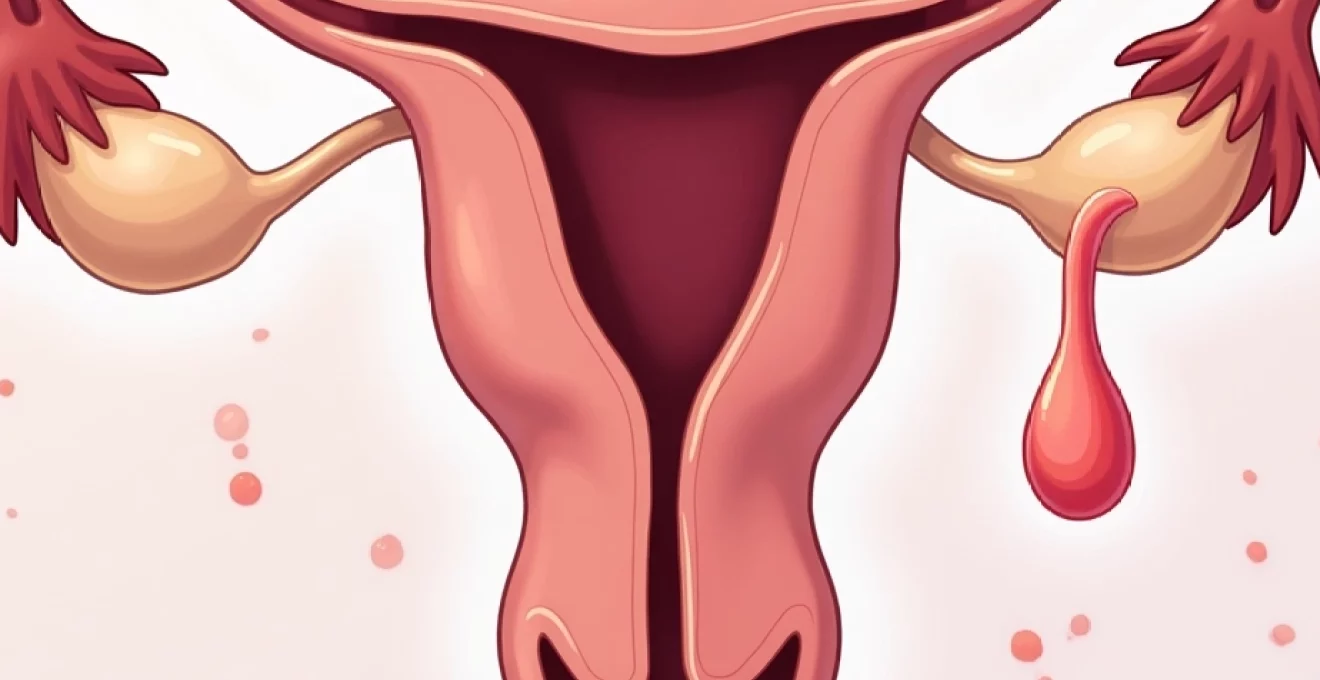
Experiencing unexpected watery discharge that resembles urinary leakage can be both concerning and confusing for many women. This phenomenon affects millions worldwide and can stem from various physiological processes, ranging from normal bodily functions to underlying medical conditions requiring attention. Understanding the intricate mechanisms behind different types of discharge helps distinguish between natural variations and pathological changes that warrant medical evaluation.
The female genitourinary system produces various secretions throughout the menstrual cycle, pregnancy, and different life stages. These discharges serve essential protective and lubricating functions, yet their appearance can sometimes mimic urinary incontinence or signal infectious processes. Recognising the subtle differences between normal discharge variations and abnormal presentations becomes crucial for maintaining optimal reproductive health.
Physiological mechanisms behind urethral and vaginal discharge production
The complex anatomy of the female genitourinary tract involves multiple glandular structures that contribute to normal discharge production. Understanding these mechanisms provides insight into why certain secretions may feel similar to urinary leakage whilst serving entirely different physiological purposes.
Bartholin’s gland secretion patterns and fluid composition
Bartholin’s glands, located at the vaginal opening, produce clear, viscous secretions that increase dramatically during sexual arousal and certain hormonal phases. These paired glands release mucoid fluid rich in glycoproteins and electrolytes, creating lubrication that can feel remarkably similar to watery discharge . The composition varies throughout the menstrual cycle, with peak production occurring during ovulation when oestrogen levels surge.
During periods of heightened sexual arousal or physical activity, Bartholin’s gland secretions can become so profuse that women experience sensations reminiscent of urinary incontinence. The clear, odourless nature of this discharge often leads to confusion, particularly when it occurs unexpectedly outside of intimate contexts. Research indicates that approximately 15-20% of women experience noticeable Bartholin’s gland secretions during non-sexual activities, including exercise or hormonal fluctuations.
Skene’s gland dysfunction and periurethral discharge
Skene’s glands, often referred to as the female prostate, surround the urethral opening and produce secretions that can closely mimic urinary leakage. These small glandular structures become particularly active during sexual stimulation but can also produce discharge due to inflammation, infection, or hormonal changes. When these glands become blocked or infected, they may release clear to milky fluid that emerges near the urethral opening.
Dysfunction of Skene’s glands frequently results in periurethral discharge that women mistake for stress incontinence or urinary tract infection symptoms. The proximity to the urethral opening makes differentiation challenging without proper examination. Clinical studies suggest that approximately 8-12% of women seeking treatment for recurrent urinary symptoms actually have Skene’s gland-related discharge issues rather than true urological problems.
Cervical mucus viscosity changes during menstrual cycle phases
Cervical mucus undergoes dramatic transformations throughout the menstrual cycle, driven by fluctuating hormone levels. During the proliferative phase, rising oestrogen concentrations cause cervical crypts to produce increasingly watery, stretchy mucus designed to facilitate sperm transport. This mucus can accumulate and release suddenly, creating the sensation of unexpected wetness that many women describe as feeling like urination.
The viscosity and volume of cervical secretions peak around ovulation, when mucus production can increase by 10-20 fold compared to post-menstrual levels. This dramatic increase explains why many women notice unexplained wetness mid-cycle that feels distinctly different from typical discharge. The elastic, clear nature of ovulatory mucus, combined with its sudden release, creates sensations remarkably similar to urinary leakage.
Vaginal epithelial cell desquamation and fluid accumulation
The vaginal epithelium constantly sheds cells as part of its natural renewal process, creating cellular debris mixed with vaginal transudate. This combination forms the baseline vaginal discharge that varies in consistency and volume based on hormonal influences, hydration status, and local environmental factors. When epithelial turnover increases due to hormonal surges, infection, or irritation, fluid accumulation can result in sudden wetness sensations.
Factors affecting vaginal epithelial desquamation include menstrual cycle phase, pregnancy status, medication use, and local pH changes. Research demonstrates that vaginal fluid volume can vary from 1-4 millilitres daily in healthy women, with significant individual variation. This natural process can produce watery discharge that feels unexpected and concerning, particularly when it occurs in larger volumes or at unexpected times.
Infectious aetiologies causing clear urethral discharge
Various infectious agents can produce watery discharge that mimics urinary symptoms, making accurate diagnosis challenging without proper testing. These infections often present with subtle symptoms that develop gradually, leading to delayed recognition and treatment.
Chlamydia trachomatis infection and asymptomatic urethritis
Chlamydia trachomatis represents one of the most common sexually transmitted infections worldwide, affecting over 130 million people annually. This intracellular bacterial pathogen frequently causes asymptomatic urethritis in women, producing clear to white discharge that emerges from the urethral opening. Unlike typical urinary incontinence, chlamydial discharge often accompanies subtle burning sensations during urination or increased urinary frequency.
The insidious nature of chlamydial infections means that up to 80% of infected women remain asymptomatic during early stages. When symptoms do occur, the watery urethral discharge can be mistaken for stress incontinence or normal vaginal secretions. Untreated chlamydial infections can ascend to cause pelvic inflammatory disease, highlighting the importance of proper diagnosis when unexplained discharge occurs, particularly in sexually active individuals.
Mycoplasma Genitalium-Associated Non-Gonococcal urethritis
Mycoplasma genitalium has emerged as a significant cause of non-gonococcal urethritis, producing symptoms that closely resemble chlamydial infections. This fastidious organism can cause persistent clear discharge from the urethra, often accompanied by mild dysuria or pelvic discomfort. The discharge associated with mycoplasma infections tends to be more watery than purulent, making it particularly challenging to distinguish from normal physiological secretions.
Recent epidemiological studies indicate that mycoplasma genitalium affects approximately 1-3% of the general population, with higher prevalence rates among individuals with multiple sexual partners. The organism’s resistance to many standard antibiotic treatments has made it an increasingly problematic cause of persistent urethral symptoms . Women infected with mycoplasma often report intermittent watery discharge that waxes and wanes over weeks or months without appropriate treatment.
Trichomonas vaginalis parasitic infection manifestations
Trichomonas vaginalis, a flagellated protozoan parasite, commonly causes vaginitis characterised by profuse, frothy discharge. However, approximately 30% of infected women present with atypical symptoms, including clear, watery discharge that can be confused with normal secretions or urinary leakage. The parasitic infection disrupts normal vaginal flora, leading to increased fluid production and altered discharge characteristics.
Trichomoniasis affects an estimated 3.7 million people in the United States annually, with many cases remaining undiagnosed due to subtle or absent symptoms. The infection can produce varying discharge patterns, from the classic yellow-green frothy appearance to clear, watery secretions that feel similar to unexpected wetness . pH testing and microscopic examination remain essential for accurate diagnosis, as clinical presentation alone proves insufficient for differentiation.
Candida albicans overgrowth and vulvovaginal candidiasis
While candida infections typically produce thick, cottage cheese-like discharge, certain strains and infection phases can result in watery secretions. Candida albicans overgrowth disrupts normal vaginal ecology, sometimes producing increased clear discharge before the development of classic symptoms. This early phase of infection often goes unrecognised, as the watery discharge resembles normal vaginal secretions or urinary leakage.
Factors predisposing to atypical candida presentations include antibiotic use, diabetes mellitus, immunosuppression, and hormonal changes. Research indicates that up to 25% of women with culture-proven candidiasis present with watery rather than typical thick discharge. The infection can cause increased vaginal fluid production as the body attempts to flush out the overgrown organisms, resulting in unexplained wetness that may be mistaken for incontinence.
Hormonal influences on genitourinary discharge characteristics
Hormonal fluctuations throughout a woman’s reproductive years significantly impact discharge production, consistency, and volume. Understanding these natural variations helps distinguish normal physiological changes from pathological conditions requiring medical attention.
Oestrogen fluctuations during ovulatory phase
Rising oestrogen levels during the proliferative phase trigger dramatic changes in cervical mucus production and vaginal epithelial thickness. Peak oestrogen concentrations, occurring 24-48 hours before ovulation, can increase cervical secretions by up to 20-fold compared to post-menstrual levels. This surge creates abundant clear, stretchy discharge that can accumulate and release suddenly, mimicking urinary incontinence.
The timing of oestrogen-mediated discharge changes provides valuable insight into fertility patterns, yet many women remain unaware of these normal variations. Clinical observations indicate that approximately 60% of women experience noticeable mid-cycle wetness that they initially mistake for urinary leakage. The transparent, elastic nature of ovulatory mucus serves to facilitate sperm transport but can cause significant concern when it occurs unexpectedly or in large volumes.
Progesterone-mediated cervical secretion changes
Following ovulation, rising progesterone concentrations alter cervical mucus characteristics, typically reducing volume whilst increasing viscosity. However, some women experience paradoxical increases in watery discharge during the luteal phase, particularly in cycles where progesterone production remains suboptimal. This hormonal imbalance can result in continued oestrogen dominance, maintaining high-volume, watery secretions throughout the cycle.
Progesterone deficiency affects approximately 10-15% of reproductive-aged women, often manifesting as irregular discharge patterns alongside other symptoms. The hormone’s role in maintaining pregnancy also explains why early gestational discharge changes occur, with many women reporting increased watery secretions before missing their first period. Understanding these progesterone-mediated changes helps distinguish normal luteal phase variations from pathological conditions.
Perimenopause hormonal decline effects on vaginal lubrication
Declining oestrogen levels during perimenopause significantly impact vaginal epithelial thickness and natural lubrication production. Paradoxically, some women experience intermittent increases in watery discharge during early perimenopause, as erratic hormone fluctuations can temporarily surge oestrogen levels. These unpredictable hormonal changes create confusion about normal versus abnormal discharge patterns.
The transition period, lasting an average of 4-8 years, affects approximately 6 million women annually in the UK alone. Hormonal irregularities during this time can produce alternating periods of vaginal dryness and unexpected wetness, with some women reporting sensations similar to urinary leakage. Perimenopausal discharge changes often coincide with other symptoms like hot flashes and sleep disturbances, creating a complex clinical picture requiring careful evaluation.
Polycystic ovary syndrome impact on discharge patterns
Polycystic ovary syndrome (PCOS) affects 8-10% of reproductive-aged women, causing hormonal imbalances that significantly impact discharge characteristics. The condition’s hallmark insulin resistance and elevated androgen levels can disrupt normal cervical mucus production, leading to unpredictable discharge patterns. Some women with PCOS experience increased watery discharge due to anovulatory cycles and prolonged oestrogen exposure without progesterone opposition.
The complex hormonal milieu in PCOS creates challenges in predicting normal discharge patterns, as traditional menstrual cycle-based expectations may not apply. Research demonstrates that women with PCOS show 40-60% more variation in discharge characteristics compared to those with regular cycles. This variability can result in unexpected watery secretions that cause concern and confusion about reproductive health status.
The intricate relationship between hormonal fluctuations and vaginal discharge production means that what feels like urinary leakage may actually represent normal physiological processes responding to internal biochemical changes.
Stress incontinence versus pathological discharge differentiation
Distinguishing genuine stress incontinence from watery vaginal discharge requires careful attention to timing, triggers, and associated symptoms. True stress incontinence occurs specifically during activities that increase intra-abdominal pressure, such as coughing, sneezing, laughing, or physical exercise. The fluid lost during these episodes has the characteristic pale yellow colour and distinctive odour of urine, making it chemically distinct from vaginal secretions.
Stress incontinence affects approximately 15-30% of women, with prevalence increasing with age and parity. The condition results from weakness in pelvic floor muscles and urethral sphincter mechanisms, causing involuntary urine loss during pressure-inducing activities. Unlike vaginal discharge, which can occur at any time and relates to hormonal or infectious factors, stress incontinence shows predictable patterns linked to specific physical triggers.
Pathological vaginal discharge, conversely, often occurs independently of physical activity and may be accompanied by additional symptoms such as itching, burning, unusual odour, or pelvic discomfort. The timing of abnormal discharge frequently correlates with menstrual cycles, sexual activity, or other reproductive factors rather than mechanical stress on the bladder. Careful symptom tracking helps healthcare providers differentiate between these conditions and determine appropriate treatment approaches.
The location of fluid emergence provides another important distinguishing factor. Stress incontinence involves urine loss from the urethral opening, whilst vaginal discharge originates from the vaginal canal or cervix. Women can often identify the source by paying attention to where wetness first appears and whether it feels similar to normal urination sensations. Professional evaluation may include urodynamic testing or pelvic examination to confirm the diagnosis when differentiation remains unclear.
Diagnostic approaches for clear genitourinary discharge assessment
Comprehensive evaluation of watery discharge begins with detailed history-taking to establish symptom patterns, timing, and associated factors. Healthcare providers typically inquire about menstrual cycle regularity, sexual activity, recent antibiotic use, hygiene practices, and any accompanying symptoms. This information helps narrow the differential diagnosis and guides appropriate testing strategies.
Physical examination forms the cornerstone of diagnostic assessment, including inspection of external genitalia, speculum examination, and bimanual pelvic evaluation. Visual inspection can reveal discharge characteristics, including colour, consistency, quantity, and odour. Speculum examination allows direct visualisation of cervical secretions and vaginal walls, whilst bimanual assessment evaluates for tenderness or masses that might indicate underlying pathology.
Laboratory testing plays a crucial role in definitive diagnosis, particularly when infection is suspected. Common diagnostic tools include vaginal pH testing, saline microscopy for identifying motile organisms or clue cells, potassium hydroxide preparation for detecting fungal elements, and nucleic acid amplification tests for sexually transmitted infections. These tests provide objective evidence to support clinical impressions and guide appropriate treatment decisions.
Advanced diagnostic techniques may be necessary in complex cases or when standard approaches prove inconclusive. Urodynamic studies help differentiate true incontinence from discharge-related wetness, whilst comprehensive STI panels ensure detection of less common pathogens. Hormonal assessments may be indicated when discharge patterns suggest endocrine abnormalities or when perimenopausal changes are suspected.
| Diagnostic Test | Purpose | Typical Results |
|---|---|---|
| Vaginal pH | Assess bacterial environment | Normal: 3.8-4.5; Bacterial vaginosis: >4.5 |
| Sa |
Treatment protocols for underlying causes of watery discharge
Treatment approaches for watery discharge depend entirely on the underlying aetiology identified through comprehensive diagnostic evaluation. Targeted therapy based on specific causative factors ensures optimal outcomes whilst minimising unnecessary interventions for normal physiological variations. Healthcare providers must carefully balance symptom relief with preservation of normal vaginal flora and hormonal function.
Infectious causes require antimicrobial therapy tailored to the specific pathogen involved. Bacterial vaginosis responds well to oral or topical metronidazole, with cure rates exceeding 85% when treatment compliance remains optimal. Chlamydial and mycoplasma infections typically require azithromycin or doxycycline, though emerging resistance patterns may necessitate alternative regimens. Trichomonas infections respond to metronidazole or tinidazole, with partner treatment essential to prevent reinfection cycles.
Hormonal imbalances contributing to abnormal discharge patterns may benefit from targeted endocrine interventions. Women with PCOS often experience improved discharge patterns following metformin therapy or hormonal contraceptives that suppress androgen production. Perimenopausal women with erratic discharge may benefit from low-dose hormone replacement therapy or selective oestrogen receptor modulators. However, careful risk-benefit analysis must precede any hormonal intervention, considering individual patient factors and preferences.
Non-pharmacological management strategies play crucial roles in both treatment and prevention of problematic discharge. Probiotic supplementation with lactobacillus strains can help restore normal vaginal flora following antibiotic treatment or during recurrent infections. Dietary modifications, including reduced sugar intake and increased prebiotic consumption, support healthy vaginal microbiome maintenance. Stress reduction techniques may help women whose discharge patterns correlate with psychological stressors or anxiety levels.
Effective treatment of watery discharge requires addressing not only the immediate causative factors but also implementing preventive strategies to maintain long-term genitourinary health and prevent recurrent episodes.
Follow-up care remains essential for ensuring treatment success and preventing complications. Women treated for infectious causes should undergo test-of-cure evaluation 3-4 weeks after completing therapy. Those with hormonal imbalances require ongoing monitoring of symptom patterns and potential side effects from interventions. Regular screening for sexually transmitted infections should continue for sexually active individuals, particularly those with multiple partners or previous STI history.
Patient education forms an integral component of successful treatment protocols. Women need clear information about normal discharge variations, warning signs requiring medical attention, and proper hygiene practices that support vaginal health. Understanding the difference between physiological secretions and pathological discharge empowers women to seek appropriate care when needed whilst avoiding unnecessary anxiety about normal bodily functions. Comprehensive patient counselling should address lifestyle factors, sexual health practices, and long-term maintenance strategies for optimal genitourinary wellness.