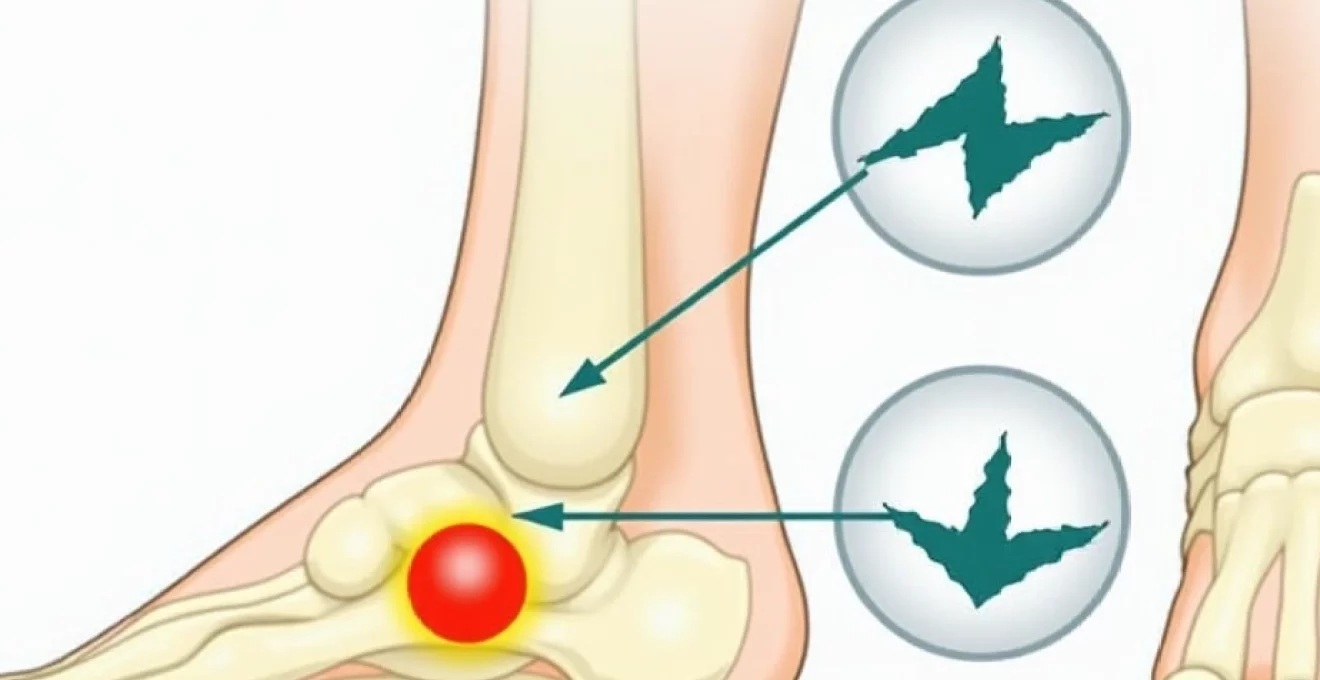
The 90-degree foot angle represents a critical benchmark in clinical assessment and orthopedic evaluation, particularly when examining ankle dorsiflexion capacity and lower extremity biomechanics. This specific positioning serves as the gold standard for determining optimal foot alignment and joint function across various age groups and clinical conditions. Understanding what this angle reveals about musculoskeletal health provides invaluable insights for healthcare professionals, athletes, and individuals concerned about their mobility and performance.
In specialized orthopedic footwear and therapeutic applications, maintaining the ankle at precisely 90 degrees whilst incorporating extreme toe dorsiflexion eliminates pressure on metatarsal heads and ensures proper calcaneal positioning. This configuration enhances stability and proves particularly beneficial for children requiring orthopedic support, whilst contributing to proper foot alignment and optimal weight distribution throughout the lower extremity chain.
Anatomical significance of 90-degree dorsiflexion in lower limb biomechanics
The achievement of 90-degree dorsiflexion represents optimal ankle joint mobility and indicates healthy function of multiple anatomical structures working in concert. This measurement reflects the complex interplay between bone architecture, soft tissue flexibility, and neuromuscular control within the ankle-foot complex. When you can achieve this position comfortably, it demonstrates adequate length of the posterior muscle groups, sufficient joint capsule mobility, and appropriate bone alignment within the tibiotalar articulation.
Tibiotalar joint range of motion parameters
The tibiotalar joint’s capacity to achieve 90-degree positioning depends heavily on the congruency between the talus and tibial mortise. Normal dorsiflexion ranges typically span from 10 to 20 degrees beyond the neutral position, with 90 degrees representing the baseline for functional movement. Restriction in this range often indicates joint stiffness, capsular adhesions, or bony impingement that can significantly impact gait mechanics and overall lower extremity function.
Assessment of tibiotalar joint mechanics reveals that achieving 90-degree positioning requires coordinated movement between multiple joint surfaces. The superior aspect of the talus must glide posteriorly within the mortise whilst simultaneously allowing for appropriate joint distraction. This complex motion pattern becomes compromised in conditions such as anterior impingement syndrome or post-traumatic arthritis, where scar tissue formation restricts normal arthrokinematics.
Gastrocnemius and soleus muscle length assessment
The gastrocnemius and soleus muscles, collectively forming the triceps surae complex, play crucial roles in determining ankle dorsiflexion capacity. When examining 90-degree positioning, clinicians can differentiate between gastrocnemius and soleus tightness through knee position variations. With the knee extended, gastrocnemius restriction becomes apparent, whilst knee flexion isolates soleus muscle length and reveals its contribution to dorsiflexion limitations.
Muscle length assessment at 90 degrees provides objective measurements for tracking treatment progress and identifying specific intervention targets. The gastrocnemius, crossing both knee and ankle joints, demonstrates greater impact on dorsiflexion when the knee remains straight. Conversely, the soleus, with its single-joint function, maintains consistent influence on ankle mobility regardless of knee position, making it a critical factor in achieving optimal dorsiflexion range.
Achilles tendon flexibility measurement standards
Achilles tendon flexibility directly correlates with the ability to achieve and maintain 90-degree ankle positioning during functional activities. This massive tendon, connecting the triceps surae to the calcaneus, must demonstrate sufficient extensibility to allow full dorsiflexion range. Tendon stiffness or adaptive shortening significantly restricts ankle mobility and compensatory movement patterns throughout the kinetic chain.
Measurement standards for Achilles tendon flexibility typically utilise the 90-degree position as a reference point for assessing tissue quality and treatment outcomes. Chronic tendon conditions, including tendinopathy and previous injury, often result in measurable restrictions that become apparent during passive and active dorsiflexion testing. These restrictions not only limit performance but also increase injury risk in athletic populations.
Posterior chain mobility evaluation protocols
The posterior chain’s mobility significantly influences ankle dorsiflexion capacity and the ability to achieve 90-degree positioning. This interconnected system includes the plantar fascia, Achilles tendon, calf muscles, hamstrings, and even lumbar spine structures. Restrictions anywhere along this chain can create compensatory patterns that manifest as ankle mobility limitations during clinical testing.
Evaluation protocols examining posterior chain mobility often begin with 90-degree ankle assessment before progressing to more complex movement patterns. The straight leg raise test, combined with ankle dorsiflexion, reveals neural tension and muscle length restrictions that may not be apparent during isolated joint testing. This comprehensive approach ensures accurate identification of primary versus secondary mobility restrictions.
Clinical assessment techniques for 90-degree foot positioning
Clinical assessment of 90-degree foot positioning requires systematic evaluation using standardised techniques that provide reliable and reproducible measurements. These assessment methods form the foundation for accurate diagnosis, treatment planning, and progress monitoring across diverse patient populations. Understanding the nuances of each technique ensures optimal clinical outcomes and appropriate intervention selection.
Weight-bearing lunge test methodology
The weight-bearing lunge test represents one of the most functional approaches to assessing ankle dorsiflexion and 90-degree positioning capacity. This assessment technique closely mimics real-world movement demands whilst providing quantifiable measurements of ankle mobility. During testing, you position the foot at a standardised distance from a wall and attempt to touch the knee to the wall surface whilst maintaining heel contact with the ground.
Methodology for this test requires precise positioning and consistent measurement protocols to ensure reliability between sessions and practitioners. The distance between the foot and wall directly correlates with dorsiflexion capacity, with greater distances indicating superior ankle mobility. Normal values typically range from 10 to 12 centimetres, though variations exist based on age, activity level, and individual anatomical factors.
Passive dorsiflexion range of motion testing
Passive dorsiflexion testing eliminates muscle activation and voluntary effort, providing pure assessment of joint and soft tissue mobility. This technique involves manual application of dorsiflexion force whilst monitoring end-feel characteristics and range limitations. The 90-degree position serves as a reference point for determining the extent of available passive motion beyond neutral alignment.
End-feel assessment during passive testing provides crucial information about the nature of mobility restrictions. A firm, elastic end-feel typically indicates muscle or tendon tightness, whilst a hard, abrupt limitation suggests bony impingement or joint pathology. Capsular restrictions present with a firm but gradually increasing resistance pattern that experienced clinicians can readily identify.
Wall lean test for ankle mobility screening
The wall lean test offers a simple yet effective screening tool for identifying ankle mobility restrictions that prevent achievement of 90-degree positioning. This assessment requires you to lean forward against a wall whilst maintaining both heels on the ground and knees straight. The maximum angle achieved between your body and the wall correlates with available ankle dorsiflexion range.
Screening protocols using the wall lean test provide rapid identification of individuals requiring more detailed assessment or intervention. The test’s simplicity makes it suitable for large-scale screening programmes whilst maintaining sufficient sensitivity to detect clinically significant restrictions. Results can guide referral decisions and help prioritise treatment resources effectively.
Knee-to-wall distance measurement protocols
Knee-to-wall distance measurements provide precise, reproducible assessments of ankle dorsiflexion capacity and progress toward achieving optimal 90-degree positioning. This protocol requires you to place your foot at varying distances from a wall and attempt to touch your knee to the wall surface whilst maintaining heel contact. The maximum distance achieved represents your functional dorsiflexion capacity.
Measurement protocols emphasise consistency in foot positioning, knee alignment, and force application to ensure reliable results. Digital inclinometers and smartphone applications have enhanced measurement precision whilst reducing assessment time. These technological advances allow for more frequent monitoring and better documentation of treatment progress over time.
Goniometric assessment of ankle dorsiflexion
Goniometric assessment provides the most precise measurement of ankle dorsiflexion and deviation from the 90-degree reference position. This technique utilises a calibrated instrument to measure joint angles directly, eliminating estimation errors and providing objective documentation. Proper goniometer placement requires identification of specific anatomical landmarks and consistent measurement techniques.
Assessment protocols using goniometry demand careful attention to patient positioning, instrument alignment, and measurement timing. The reliability of goniometric measurements depends heavily on practitioner experience and adherence to standardised protocols. Digital goniometers and smartphone applications offer enhanced precision whilst reducing measurement variability between assessors.
Pathological conditions associated with restricted 90-degree dorsiflexion
Restricted ankle dorsiflexion and inability to achieve 90-degree positioning indicates various pathological conditions affecting the ankle-foot complex. These restrictions significantly impact functional mobility, athletic performance, and quality of life across diverse populations. Understanding the underlying pathophysiology guides appropriate intervention strategies and helps prevent secondary complications.
Equinus contracture and compensatory movement patterns
Equinus contracture represents one of the most significant barriers to achieving 90-degree ankle positioning, characterised by fixed plantarflexion deformity that restricts dorsiflexion range. This condition develops through various mechanisms, including congenital abnormalities, neurological conditions, or prolonged immobilisation. The resulting movement restrictions create cascading compensatory patterns throughout the lower extremity and spine.
Compensatory movement patterns associated with equinus contracture include increased knee flexion, hip flexion, and lumbar lordosis during walking. These adaptations help maintain forward progression despite ankle mobility restrictions but create abnormal stress patterns in adjacent joints. Long-term compensation can lead to secondary pathology including knee pain, hip dysfunction, and spinal disorders that require comprehensive treatment approaches.
Posterior impingement syndrome in athletes
Posterior impingement syndrome frequently affects athletes engaged in activities requiring extreme plantarflexion, subsequently limiting their ability to achieve full dorsiflexion and 90-degree positioning. This condition involves compression of soft tissues or bony structures at the posterior ankle during plantarflexion movements. The resulting inflammation and scar tissue formation create mechanical blocks to dorsiflexion range.
Athletic populations demonstrate higher incidence rates of posterior impingement, particularly in ballet dancers, soccer players, and gymnasts. The repetitive nature of sport-specific movements creates microtrauma that accumulates over time, leading to progressive mobility restrictions. Early recognition and intervention prove crucial for maintaining competitive performance and preventing career-threatening complications.
Plantar fasciitis and heel cord tightness correlation
The relationship between plantar fasciitis and heel cord tightness demonstrates the interconnected nature of posterior chain restrictions affecting 90-degree ankle positioning. Limited dorsiflexion increases tension on the plantar fascia during weight-bearing activities, creating mechanical stress that contributes to inflammatory responses. This cyclical relationship often perpetuates symptoms and delays healing without comprehensive intervention.
Research indicates that addressing heel cord tightness significantly improves plantar fasciitis outcomes and facilitates return to normal dorsiflexion range. Stretching protocols targeting the gastrocnemius and soleus muscles reduce plantar fascia tension and allow for improved ankle mobility. This integrated approach addresses both primary restrictions and secondary compensations effectively.
Achilles tendinopathy impact on dorsiflexion range
Achilles tendinopathy creates significant restrictions in dorsiflexion range through multiple mechanisms including pain inhibition, tissue stiffening, and altered movement patterns. The tendon’s inflammatory response reduces its extensibility whilst pain-mediated muscle guarding limits voluntary dorsiflexion efforts. These factors combine to prevent achievement of 90-degree positioning during both passive and active movements.
Chronic tendinopathy often results in structural changes within the tendon including increased collagen cross-linking and reduced water content. These adaptations create permanent restrictions that require specific intervention strategies to restore optimal tissue properties and movement capacity. Progressive loading protocols have demonstrated effectiveness in remodelling tendon structure whilst improving functional outcomes.
Therapeutic interventions for achieving optimal ankle dorsiflexion
Therapeutic interventions targeting 90-degree ankle dorsiflexion encompass various approaches ranging from manual therapy techniques to exercise prescription and modality application. The selection of appropriate interventions depends on the underlying pathology, patient characteristics, and functional goals. Successful treatment requires understanding of tissue healing principles and progressive loading concepts.
Manual therapy techniques including joint mobilisation, soft tissue mobilisation, and neural mobilisation address different components of dorsiflexion restrictions. Joint mobilisation targets capsular restrictions and improves arthrokinematic motion within the tibiotalar joint. Posterior glides and long-axis distraction prove particularly effective for addressing joint stiffness and promoting optimal joint mechanics during dorsiflexion movements.
Soft tissue mobilisation techniques target muscle and fascial restrictions that limit dorsiflexion capacity. Deep friction massage, instrument-assisted soft tissue mobilisation, and myofascial release address tissue quality improvements whilst promoting healing responses. These interventions must be applied with appropriate intensity and frequency to stimulate positive tissue adaptations without creating excessive inflammatory responses.
Exercise prescription forms the cornerstone of long-term improvement in ankle dorsiflexion and maintenance of 90-degree positioning capacity. Stretching exercises targeting the gastrocnemius and soleus muscles require specific parameters including duration, frequency, and intensity to achieve optimal outcomes. Static stretching performed for 30-60 seconds, repeated 3-5 times daily, demonstrates consistent improvements in dorsiflexion range.
Progressive loading protocols challenge the ankle-foot complex through graduated increases in stress whilst respecting tissue healing timelines and adaptation capacity.
Strengthening exercises complement stretching interventions by addressing muscle imbalances and improving dynamic stability during dorsiflexion movements. Eccentric strengthening of the triceps surae complex proves particularly effective for tendinopathy management whilst promoting tissue remodelling. These exercises must progress systematically to avoid symptom exacerbation whilst maximising therapeutic benefits.
Sports performance implications of 90-degree ankle positioning
Athletic performance relies heavily on adequate ankle dorsiflexion and the ability to achieve 90-degree positioning during various movement patterns. Restrictions in this range significantly impact jumping ability, sprinting mechanics, and change-of-direction movements that are fundamental to most sports. Understanding these relationships guides performance enhancement strategies and injury prevention programmes.
Jumping performance demonstrates strong correlations with ankle dorsiflexion capacity, as adequate range allows for optimal force production and energy transfer through the lower extremity. Athletes with restricted dorsiflexion often compensate through altered knee and hip mechanics, reducing their ability to generate maximum power output. Plyometric training programmes that address ankle mobility alongside power development produce superior performance outcomes compared to strength training alone.
Sprinting mechanics require precise ankle positioning throughout the gait cycle, with dorsiflexion playing crucial roles during both ground contact and swing phases. Inadequate dorsiflexion reduces stride length and alters ground reaction force patterns, ultimately limiting sprint velocity. Elite sprinters consistently demonstrate superior ankle mobility compared to recreational athletes, highlighting the importance of this attribute for high-level performance.
Change-of-direction movements place enormous demands on ankle mobility and the ability to achieve extreme dorsiflexion angles rapidly and repeatedly. Sports requiring frequent cutting manoeuvres, such as football, basketball, and tennis, demonstrate higher injury rates in athletes with limited ankle mobility. Agility training programmes that incorporate ankle mobility development reduce injury risk whilst improving movement efficiency.
Research indicates that athletes with less than 10 degrees of dorsiflexion beyond neutral demonstrate significantly higher rates of lower extremity injury compared to those achieving normal range.
The relationship between ankle mobility and athletic performance extends beyond immediate mechanical advantages to include injury prevention benefits. Adequate dorsiflexion reduces stress on the Achilles tendon, plantar fascia, and knee structures during high-impact activities. This protective effect becomes increasingly important as training volume and intensity increase throughout competitive seasons.
Developmental considerations in paediatric ankle dorsiflexion assessment
Paediatric ankle dorsiflexion assessment requires understanding of normal developmental patterns and age-related changes in joint mobility and muscle length. Children demonstrate different movement patterns and assessment requirements compared to adults, necessitating modified evaluation techniques and interpretation criteria. The 90-degree reference position remains relevant but must be considered within developmental context.
Normal development includes predictable changes in ankle dorsiflexion capacity as children grow and mature. Infants demonstrate greater joint mobility due to increased tissue compliance and reduced muscle tone. As walking patterns develop and muscle strength
increases, joint mobility typically decreases due to structural changes and activity demands.
Assessment techniques for paediatric populations must account for attention span limitations, cooperation levels, and developmental appropriateness. Play-based assessment strategies often prove more effective than formal testing procedures in younger children. Simple observation of squatting ability, heel-to-toe walking, and jumping patterns provides valuable information about ankle dorsiflexion capacity without requiring complex measurement techniques.
Age-specific normative values for ankle dorsiflexion help clinicians distinguish between normal developmental variations and pathological restrictions. Children typically demonstrate 15-20 degrees of dorsiflexion beyond neutral by school age, with individual variations based on activity level, body composition, and genetic factors. These values serve as benchmarks for identifying children who may benefit from intervention or further evaluation.
Growth spurts create temporary changes in muscle-tendon length relationships that can affect ankle dorsiflexion capacity. Rapid bone growth often outpaces soft tissue adaptation, creating relative tightness in the posterior chain structures. Understanding these growth-related changes helps clinicians provide appropriate reassurance to parents whilst identifying cases requiring active intervention.
Congenital conditions affecting ankle dorsiflexion require early identification and intervention to prevent long-term functional limitations. Conditions such as congenital talipes equinovarus (clubfoot) and vertical talus significantly restrict dorsiflexion and require specialised treatment approaches. Early intervention during infancy and childhood produces superior outcomes compared to delayed treatment, emphasising the importance of thorough developmental screening.
The critical period for addressing paediatric ankle mobility restrictions occurs before age eight, when tissue adaptability remains high and compensatory patterns have not become permanently established.
Neuromuscular conditions in children present unique challenges for maintaining ankle dorsiflexion and achieving 90-degree positioning. Conditions such as cerebral palsy, spina bifida, and muscular dystrophy affect muscle tone, strength, and coordination in ways that significantly impact ankle mobility. Treatment approaches must address both the primary neurological condition and secondary musculoskeletal restrictions.
Family education plays a crucial role in managing paediatric ankle mobility concerns, as parents and caregivers implement home exercise programmes and activity modifications. Simple stretching exercises, positioning strategies, and activity encouragement can significantly impact outcomes when performed consistently. Educational resources must be age-appropriate and culturally sensitive to ensure optimal compliance and effectiveness.
School-based screening programmes provide opportunities for early identification of ankle mobility restrictions that may impact academic performance through reduced participation in physical education and recreational activities. Teachers and school health professionals can identify children with movement difficulties and facilitate appropriate referrals for further evaluation and intervention.
The transition from paediatric to adult care requires careful consideration of ongoing ankle mobility needs and long-term prognosis. Adolescents with chronic restrictions may benefit from continued intervention to prevent adult complications, whilst others may require education about activity modifications and injury prevention strategies. This transition period offers important opportunities to establish lifelong habits that support optimal ankle health and function.