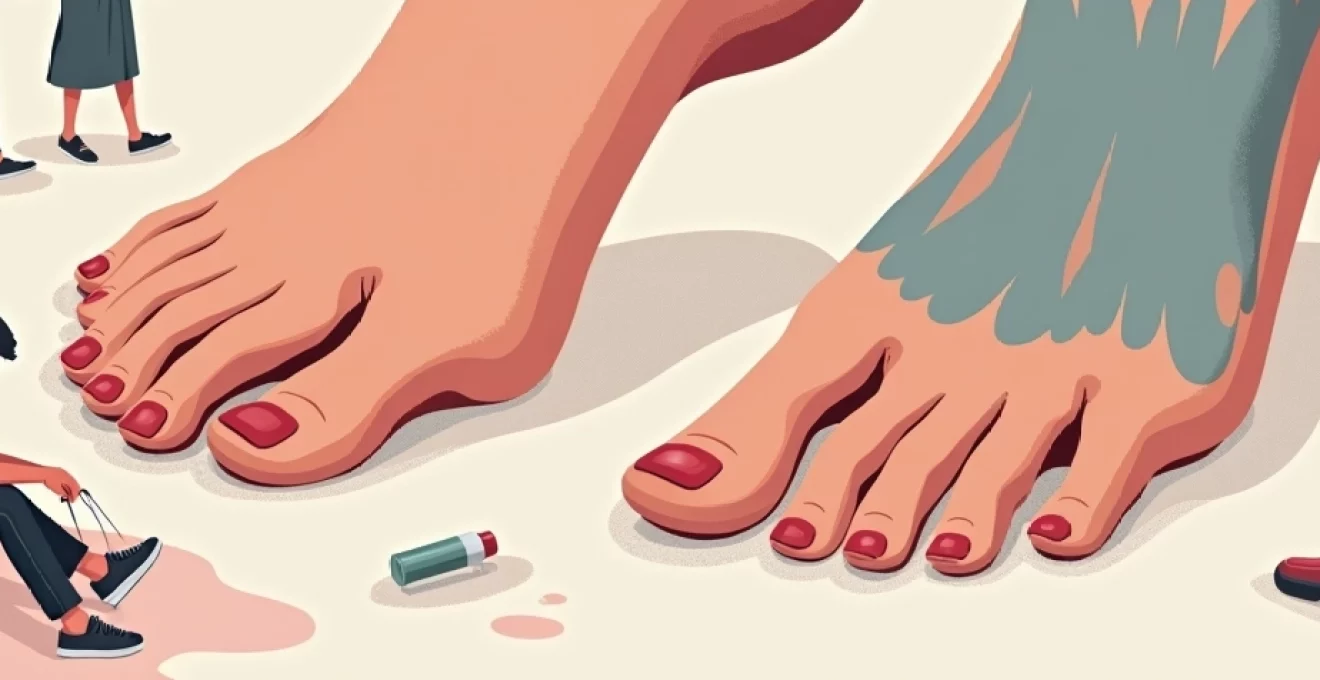
The sudden realisation that your big toenail is falling off can be both alarming and painful. This surprisingly common condition, medically known as onycholysis, affects millions of people worldwide and can stem from various causes ranging from simple injuries to complex medical conditions. Whether caused by a stubbed toe, fungal infection, or underlying health issue, toenail detachment requires proper understanding and care to prevent complications and ensure healthy regrowth. The healing process varies significantly depending on the underlying cause, with some cases resolving naturally whilst others require professional medical intervention to prevent permanent nail damage or recurring infections.
Onycholysis and nail dystrophy: medical conditions causing toenail detachment
Onycholysis represents the medical term for nail separation from the nail bed, a condition that can affect both fingernails and toenails but is particularly common in the big toe due to its size and exposure to trauma. This separation typically begins at the distal edge of the nail and progressively extends towards the nail matrix, creating a characteristic white or yellowish discolouration beneath the affected area. The process can be gradual, occurring over weeks or months, or sudden, depending on the underlying pathology causing the detachment.
Nail dystrophy encompasses a broader spectrum of nail abnormalities that can predispose to onycholysis. These conditions alter the normal structure and attachment of the nail plate to the underlying nail bed, creating weakness points where separation is more likely to occur. Understanding these underlying mechanisms is crucial for developing effective treatment strategies and preventing recurrence. The nail matrix, responsible for nail production, can be affected by various systemic and local factors that compromise its ability to produce healthy, well-attached nail tissue.
Fungal onychomycosis: dermatophyte infections leading to nail separation
Fungal onychomycosis represents one of the most prevalent causes of toenail loss, affecting approximately 10% of the general population and up to 50% of individuals over 70 years of age. Dermatophyte fungi, including Trichophyton rubrum and Trichophyton mentagrophytes , thrive in the warm, moist environment beneath toenails and gradually invade the nail plate and nail bed. These organisms produce keratinase enzymes that break down keratin, the primary protein component of nails, leading to progressive nail weakening and eventual detachment.
The infection typically manifests as thickening, yellowing, and brittleness of the affected nail, with white or yellow streaks developing longitudinally or horizontally across the nail surface. As the fungal invasion progresses deeper into the nail structure, the bond between the nail plate and nail bed weakens significantly, predisposing to traumatic avulsion even with minor trauma. The characteristic musty odour associated with advanced fungal infections results from the metabolic byproducts of fungal growth and tissue degradation.
Psoriatic nail disease and associated onycholysis patterns
Psoriasis affects nail structures in approximately 50% of patients with skin involvement and can be the sole manifestation of the disease in some individuals. Psoriatic nail changes create distinctive patterns of onycholysis, often characterised by irregular separation beginning at the lateral nail folds and progressing in a distinctive “oil drop” pattern. The underlying inflammatory process affects both the nail matrix and nail bed, leading to accelerated cell turnover and compromised nail attachment mechanisms.
The chronic inflammation associated with psoriatic nail disease results in characteristic pitting, horizontal ridging, and salmon-coloured patches beneath the nail plate. These structural changes weaken the nail’s integrity and make it more susceptible to traumatic detachment. Nail psoriasis often presents with multiple nail involvement and may be associated with joint symptoms, requiring comprehensive evaluation by healthcare professionals experienced in managing this complex condition.
Bacterial paronychia and secondary nail matrix damage
Bacterial paronychia, typically caused by Staphylococcus aureus or Streptococcus pyogenes , can lead to secondary nail plate detachment through direct tissue destruction and inflammatory damage to the nail matrix. The infection usually begins in the nail folds following minor trauma, hangnails, or aggressive nail trimming practices. As the bacterial infection progresses, it can extend beneath the nail plate, creating pus-filled spaces that physically separate the nail from its bed.
Chronic paronychia, often associated with repeated exposure to moisture or chemical irritants, can result in permanent damage to the nail matrix and cuticle structures. This damage compromises the nail’s ability to maintain proper attachment to the underlying tissues, predisposing to recurrent episodes of partial or complete nail loss. The inflammatory response associated with bacterial infections also disrupts normal nail growth patterns, potentially leading to permanent nail deformities even after successful treatment.
Contact dermatitis from pedicure products and chemical nail treatments
Chemical-induced onycholysis has become increasingly recognised as nail cosmetic procedures have gained popularity. Acrylic nail systems, gel polishes, and nail hardeners contain potent chemicals such as formaldehyde, toluene, and methacrylates that can cause allergic contact dermatitis or direct toxic effects on nail tissues. Professional pedicure treatments involving strong chemical soaks or aggressive cuticle manipulation can also trigger inflammatory responses leading to nail detachment.
The use of acetone-based nail polish removers, particularly when applied repeatedly or left in contact with nails for extended periods, can cause significant dehydration and structural weakening of the nail plate. This chemical damage creates microscopic fractures and separation points that predispose to traumatic nail loss. Occupational exposure to cleaning chemicals, solvents, and industrial compounds can similarly compromise nail integrity and attachment, highlighting the importance of protective measures in high-risk environments.
Traumatic nail avulsion: physical causes and injury mechanisms
Traumatic nail avulsion encompasses a spectrum of injuries ranging from minor nail plate lifting to complete nail and nail bed destruction. The mechanism of injury significantly influences the extent of damage, healing potential, and likelihood of complications. Understanding these injury patterns helps in determining appropriate treatment approaches and predicting outcomes for nail regrowth. The big toe is particularly vulnerable to traumatic nail loss due to its prominent position and frequent exposure to external forces during daily activities and sports participation.
The anatomy of the nail unit plays a crucial role in determining injury patterns and healing responses. The nail plate serves as a protective barrier for the underlying nail bed, which contains numerous blood vessels and nerve endings. When traumatic forces exceed the nail’s mechanical strength, various patterns of damage can occur, from simple nail plate fractures to complex injuries involving the nail matrix, nail bed, and surrounding soft tissues. The severity of initial trauma often correlates with the complexity of subsequent healing and the likelihood of permanent nail deformities.
Subungual haematoma development following blunt force trauma
Subungual haematomas result from bleeding beneath the nail plate following blunt force trauma, such as dropping heavy objects on the toe or forceful impacts during sports activities. The accumulation of blood creates pressure beneath the nail, causing intense throbbing pain and characteristic blue-black discolouration. When the haematoma involves more than 25% of the nail surface area, the pressure can be sufficient to cause nail plate separation and eventual nail loss.
The development of subungual haematomas follows a predictable pattern, with initial pain and discolouration followed by gradual pressure build-up as blood accumulates in the confined space beneath the nail. Large haematomas create a mechanical barrier between the nail plate and nail bed , preventing normal healing and predisposing to secondary complications such as infection or permanent nail bed scarring. Prompt medical evaluation is essential for haematomas covering significant nail surface areas, as drainage procedures can often preserve the nail and reduce complications.
Repetitive microtrauma from Ill-Fitting footwear and running injuries
Repetitive microtrauma represents a common but often overlooked cause of toenail loss, particularly among athletes and individuals who spend long periods in poorly fitting footwear. The constant friction and pressure from shoes that are too tight, too loose, or inappropriate for the activity gradually weakens the nail’s attachment to the nail bed. This process is particularly problematic in runners, where the repetitive forward sliding of the foot within the shoe creates chronic trauma to the toenails.
The “runner’s toe” phenomenon illustrates how repetitive microtrauma leads to nail loss through a process of chronic nail bed separation and secondary haematoma formation. Each impact creates microscopic damage that accumulates over time, eventually reaching a threshold where the nail can no longer maintain its attachment. The big toe is most commonly affected due to its size and position at the front of the foot, where it experiences the greatest impact forces during the push-off phase of running or walking.
Acute nail bed laceration and subsequent nail plate detachment
Acute nail bed lacerations often occur in conjunction with nail plate injuries when sharp objects penetrate through the nail or when crushing forces cause complex tissue disruption. These injuries typically result in immediate pain, bleeding, and visible nail damage, with the extent of nail bed involvement determining the healing potential and likelihood of nail regrowth. Proper evaluation of nail bed lacerations requires careful examination after nail plate removal, as the extent of underlying damage may not be apparent through the intact nail.
The healing of nail bed lacerations depends on several factors, including the depth and location of the laceration, the presence of nail matrix involvement, and the timeliness of appropriate treatment.
Nail bed injuries involving the germinal matrix have the potential for permanent nail deformities or complete nail loss if not properly managed within the first few hours after injury.
The rich vascular supply of the nail bed generally promotes good healing when injuries are appropriately cleaned and repaired, but delayed treatment or inadequate wound care can lead to complications such as infection, scarring, or chronic nail dystrophy.
Stubbing injuries and crush trauma to the hallux
Stubbing injuries to the big toe represent one of the most common household accidents leading to toenail loss. The sudden impact against immovable objects creates a combination of blunt force trauma and shearing forces that can instantly separate the nail plate from the underlying nail bed. The severity of these injuries ranges from minor nail lifting to complete nail avulsion with associated soft tissue damage, fractures, or nail bed lacerations.
Crush trauma to the hallux, such as occurs when heavy objects fall on the toe, creates a different pattern of injury characterised by compression forces that can cause extensive nail bed damage and potential fractures of the underlying distal phalanx. These injuries often result in significant swelling, haematoma formation, and nail plate distortion that predisposes to secondary nail loss even if the initial trauma does not immediately cause complete nail detachment. The management of crush injuries requires careful assessment for underlying fractures and comprehensive wound care to optimise healing outcomes.
Systemic health conditions affecting nail attachment and growth
Numerous systemic health conditions can predispose individuals to toenail loss through various mechanisms affecting nail growth, attachment, and structural integrity. Diabetes mellitus, affecting over 400 million people worldwide, significantly impacts nail health through multiple pathways including peripheral neuropathy, reduced circulation, and increased susceptibility to infections. The combination of decreased sensation and impaired healing capacity makes diabetic individuals particularly vulnerable to minor trauma that might otherwise be inconsequential, whilst the altered immune response increases the risk of secondary infections following nail injuries.
Peripheral vascular disease, commonly associated with diabetes but also occurring independently, compromises blood flow to the extremities and can result in poor nail quality and delayed healing following nail injuries. The reduced oxygen and nutrient delivery to nail tissues affects both the growth rate and structural integrity of nails, making them more brittle and prone to traumatic loss. Additionally, the compromised circulation impairs the body’s ability to fight off infections and heal wounds effectively, potentially leading to chronic complications following nail loss.
Autoimmune conditions such as lupus, rheumatoid arthritis, and thyroid disorders can affect nail health through inflammatory processes and metabolic alterations. Thyroid dysfunction, both hyperthyroidism and hypothyroidism, can cause characteristic nail changes including brittleness, thinning, and loosening that predispose to nail loss. The immunosuppressive medications often used to treat these conditions further compromise the body’s ability to maintain healthy nail structures and fight off opportunistic infections that can lead to nail detachment.
Nutritional deficiencies, particularly involving iron, zinc, biotin, and protein, can significantly impact nail quality and growth patterns. Iron deficiency anaemia affects approximately 25% of the global population and commonly manifests with nail changes including koilonychia (spoon-shaped nails), brittleness, and increased susceptibility to trauma. Severe protein malnutrition can result in Beau’s lines, horizontal depressions across the nail that create weak points predisposing to nail fracture and detachment. These nutritional factors are particularly relevant in elderly populations and individuals with chronic medical conditions that affect nutrient absorption or metabolism.
Proper wound care and nail bed management protocols
Immediate wound care following toenail loss is crucial for preventing infection, minimising pain, and optimising conditions for healthy nail regrowth. The exposed nail bed represents a vulnerable area that requires protection from bacterial contamination whilst maintaining an environment conducive to healing. The first step involves gentle cleansing of the affected area with mild antiseptic solution or clean water to remove debris and reduce bacterial load. Harsh chemicals or aggressive scrubbing should be avoided as they can cause additional tissue damage and delay healing.
Proper bandaging techniques play a vital role in protecting the exposed nail bed whilst allowing for adequate air circulation and drainage. Non-adherent dressings should be used to prevent secondary trauma during dressing changes, with the bandage changed daily or when it becomes wet or soiled. The use of topical antibiotic ointments can help prevent bacterial colonisation, but prolonged use should be avoided to prevent the development of contact sensitisation or bacterial resistance. Maintaining appropriate moisture balance in the wound is essential, as excessive drying can impair healing whilst excessive moisture can promote bacterial growth.
Pain management represents an important component of nail bed care, as the exposed nerve endings in the nail bed can cause significant discomfort. Over-the-counter analgesics such as ibuprofen or paracetamol are usually sufficient for managing pain, with the anti-inflammatory properties of ibuprofen providing additional benefits for reducing swelling and promoting healing. Elevation of the affected foot when possible can help reduce swelling and throbbing pain, particularly in the first few days following nail loss.
Monitoring for signs of infection is crucial throughout the healing process, with patients advised to seek medical attention if they develop increasing pain, redness, swelling, warmth, or purulent discharge.
Early recognition and treatment of infection can prevent serious complications such as cellulitis, osteomyelitis, or permanent nail bed scarring that could impair future nail growth.
Regular follow-up appointments may be necessary for individuals with underlying health conditions or complex injuries to ensure proper healing progression and early intervention if complications arise.
Topical antifungal treatments and prescription medications for nail recovery
When fungal infections contribute to toenail loss, appropriate antifungal treatment is essential for preventing recurrence and ensuring healthy nail regrowth. Topical antifungal agents, including terbinafine, ciclopirox, and amorolfine, represent the first-line treatment for mild to moderate fungal nail infections. These medications work by disrupting fungal cell membrane integrity or interfering with essential metabolic processes, gradually eliminating the infection as the nail grows out. Treatment duration typically ranges from 6 to 12 months for toenails, reflecting the slow growth rate and need for complete elimination of fungal organisms.
Prescription oral antifungal medications may be necessary for severe infections or cases that fail to respond to topical therapy. Terbinafine and itraconazole represent the most commonly prescribed oral agents, with cure rates ranging from 60% to 80% for toenail infections. These medications require careful monitoring for potential side effects, including hepatic toxicity, and may interact with other medications. The decision to use oral antifungal therapy must balance the potential benefits against risks, particularly in elderly patients or those with multiple medical conditions.
Combination therapy involving both topical and oral antifungal agents may be recommended for severe infections or high-risk patients to maximise treatment efficacy. This approach can potentially reduce treatment duration and improve cure rates, although it also increases the risk of side effects and drug interactions. Patient education regarding treatment adherence is crucial for success , as premature discontinuation of antifungal therapy frequently results in treatment failure and infection recurrence.
Emerging treatment modalities, including laser therapy and photodynamic therapy, show promise for managing resistant fungal infections. These treatments work by generating heat or reactive oxygen species that damage fungal organisms whilst preserving normal tissue. Although these modalities are not
yet universally accepted as standard treatment options, they may be considered for patients who cannot tolerate systemic medications or have failed conventional therapies. The selection of appropriate antifungal treatment requires consideration of the specific organism involved, extent of infection, patient medical history, and potential drug interactions.
Preventing toenail loss through protective measures and foot hygiene
Prevention strategies for toenail loss must address the multiple risk factors and causative mechanisms that contribute to this common condition. Proper footwear selection represents one of the most crucial preventive measures, as ill-fitting shoes account for a significant proportion of traumatic nail injuries. Shoes should provide adequate toe room, with approximately half an inch of space between the longest toe and the front of the shoe, whilst offering sufficient width to prevent lateral pressure on the nail folds. Athletic individuals should pay particular attention to shoe selection, choosing sport-specific footwear that accommodates the biomechanical demands of their activities.
Regular nail care practices form the foundation of nail health maintenance and injury prevention. Toenails should be trimmed straight across rather than curved, avoiding aggressive cutting of the nail corners that can predispose to ingrown nails and subsequent infections. The use of clean, properly sanitised nail implements is essential for preventing the introduction of bacterial or fungal organisms that could compromise nail integrity. Nail trimming should be performed when nails are dry to prevent splitting and tearing that could create entry points for infections or weaken the nail structure.
Foot hygiene protocols play a vital role in preventing fungal infections that commonly lead to nail loss. Daily washing with mild soap and thorough drying, particularly between the toes, helps eliminate moisture that provides an ideal environment for fungal growth. The use of antifungal powders in shoes and socks can further reduce fungal exposure, whilst rotating footwear allows shoes to dry completely between uses. Cotton or moisture-wicking synthetic socks should be preferred over materials that trap moisture against the skin.
Environmental precautions are particularly important in high-risk settings such as public swimming pools, gymnasiums, and locker rooms where fungal organisms are commonly present. Protective footwear should always be worn in these environments, and feet should be thoroughly cleaned and dried after exposure. Individuals with diabetes or compromised immune systems require additional vigilance in foot care practices, as their increased susceptibility to infections can result in more severe consequences from minor nail injuries or infections.
Regular inspection of feet and nails allows for early detection of problems such as fungal infections, ingrown nails, or traumatic changes that could progress to nail loss if left untreated.
Occupational considerations may require specific protective measures for individuals exposed to chemical hazards or physical trauma risks. Steel-toed boots, chemical-resistant gloves when handling foot soaks or cleaning products, and adherence to workplace safety protocols can significantly reduce the risk of nail injuries. Healthcare workers, food service employees, and others who frequently wash their hands or feet should use moisturising products to prevent excessive drying that can make nails brittle and prone to injury. The implementation of these comprehensive prevention strategies, tailored to individual risk factors and lifestyle requirements, provides the most effective approach to maintaining long-term nail health and preventing the painful and inconvenient experience of toenail loss.