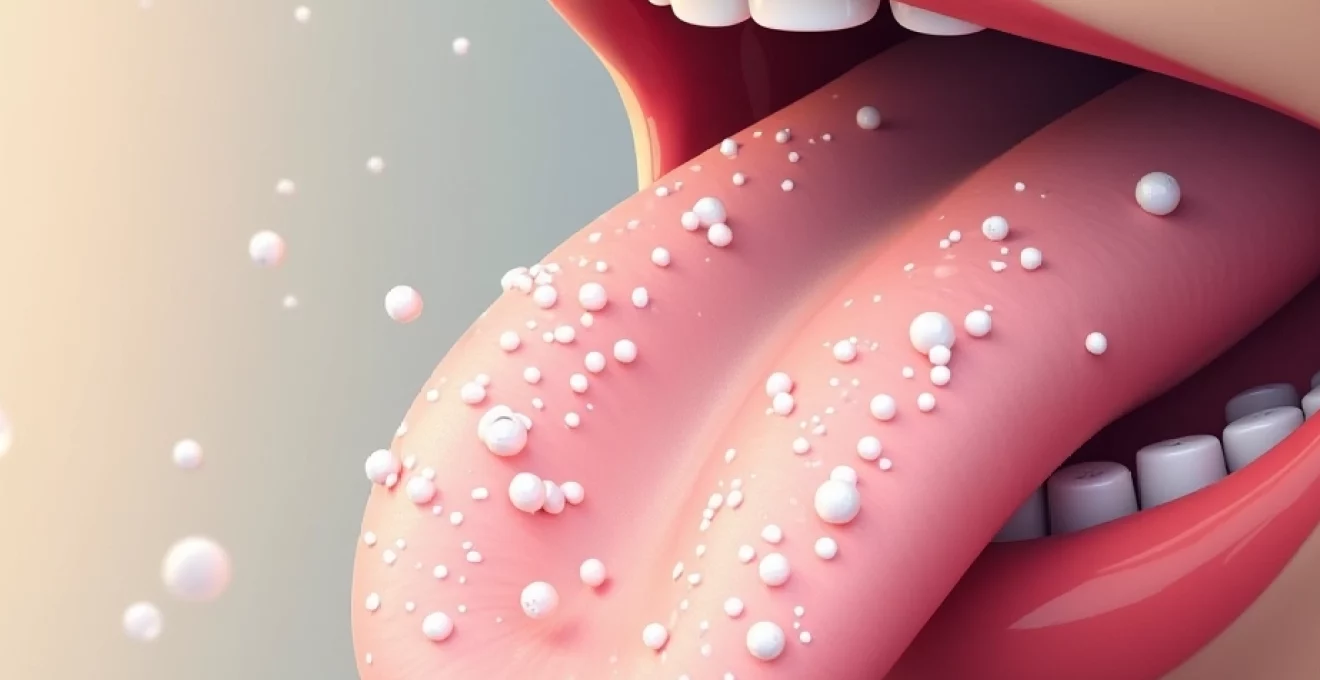
A white coating on the tongue following a piercing procedure represents one of the most common yet concerning symptoms experienced during the healing process. This phenomenon occurs when bacterial colonies, cellular debris, and inflammatory responses converge at the piercing site, creating visible changes in the tongue’s appearance. Understanding the underlying mechanisms behind white tongue formation can help you distinguish between normal healing responses and potentially serious complications requiring medical intervention.
The oral cavity provides a uniquely challenging environment for piercing recovery, with its constant exposure to bacteria, food particles, and saliva. White discolouration typically emerges within 24-48 hours of the piercing procedure, manifesting as patches, rings, or complete coating across the tongue surface. While alarming in appearance, this response often indicates the body’s natural healing mechanisms are actively working to protect and repair the damaged tissue.
Oral leukoplakia development following tongue piercing procedures
The development of white patches on the tongue after piercing shares similarities with oral leukoplakia, though the underlying causes differ significantly. Leukoplakia-like formations around piercing sites result from accelerated cellular turnover and protective keratin production rather than pre-malignant changes associated with traditional leukoplakia. These white patches typically appear as raised, slightly rough areas surrounding the jewellery insertion points.
Keratosis formation through mechanical trauma and tissue response
Mechanical trauma from piercing procedures triggers a defensive keratosis response, where the tongue’s epithelial cells produce excess keratin to protect underlying tissues. This protective mechanism creates thick, white patches that serve as biological barriers against further injury. The body interprets the presence of foreign jewellery as ongoing trauma, maintaining elevated keratin production throughout the initial healing phases.
The keratin accumulation process intensifies when jewellery moves against the tongue during speaking, eating, or involuntary muscle contractions. Constant friction stimulates additional protective responses, leading to increasingly prominent white formations. These keratotic changes typically resolve once tissue adaptation occurs and inflammation subsides, usually within 4-6 weeks of the initial piercing.
Biofilm accumulation on piercing jewellery and adjacent tissue
Bacterial biofilms establish rapidly on piercing jewellery surfaces, creating complex communities of microorganisms that contribute to white coating formation. These biofilms consist of bacteria embedded within protective extracellular matrices, making them particularly resistant to standard oral hygiene measures. The biofilm’s metabolic byproducts and structural components often appear as white or yellowish deposits around the piercing site.
Biofilm maturation occurs progressively, with initial bacterial adhesion developing within hours and mature communities forming within 3-5 days. Streptococcus species and Actinomyces bacteria commonly dominate these biofilm communities, producing characteristic white exudates. Understanding biofilm dynamics helps explain why simple mouth rinsing proves insufficient for maintaining piercing site cleanliness during healing periods.
Candida albicans overgrowth in Post-Piercing environments
The disrupted oral microbiome following tongue piercing creates favourable conditions for Candida albicans proliferation, manifesting as distinctive white patches or coating. Tissue trauma and inflammatory responses alter local pH levels and nutrient availability, allowing opportunistic fungal organisms to establish dominance over beneficial bacterial populations. This fungal overgrowth produces the characteristic thick, cottage cheese-like appearance associated with oral thrush.
Candida colonisation accelerates when antibiotic treatments are used to prevent bacterial infections, as these medications eliminate competing bacterial species. Dietary modifications recommended during healing , such as avoiding dairy products and consuming softer foods, can inadvertently promote fungal growth if carbohydrate intake increases significantly. Recognising candida-related white coating requires understanding its removable nature when gently scraped, unlike other forms of white discolouration.
Lymphatic drainage disruption and cellular debris build-up
Piercing procedures temporarily disrupt normal lymphatic drainage patterns in tongue tissues, leading to accumulation of cellular debris and inflammatory materials. This lymphatic compromise results in visible white deposits as dead cells, inflammatory proteins, and tissue breakdown products concentrate around the piercing site. The tongue’s extensive lymphatic network typically clears these materials efficiently, but mechanical disruption from piercing creates temporary bottlenecks in drainage.
Lymphatic recovery progresses gradually as new drainage pathways develop around the piercing site. During this recovery phase, gentle massage techniques and appropriate hydration can support lymphatic function restoration. Persistent white coating beyond 3-4 weeks may indicate ongoing lymphatic compromise requiring professional evaluation to rule out more serious complications.
Pathophysiological mechanisms behind white coating formation
The formation of white coating on pierced tongues involves complex interactions between inflammatory responses, tissue healing processes, and microbial colonisation patterns. These mechanisms operate simultaneously, creating the visible white appearance through multiple overlapping pathways. Understanding these processes helps distinguish normal healing responses from pathological conditions requiring intervention.
Epithelial hyperkeratinisation and desquamation processes
Epithelial hyperkeratinisation occurs as the tongue’s surface cells accelerate keratin production in response to piercing trauma. This protective mechanism creates thickened surface layers that appear white due to increased keratin density and altered light reflection properties. The hyperkeratinisation process intensifies around jewellery contact points, where mechanical irritation remains constant throughout the healing period.
Desquamation, or the shedding of these thickened epithelial layers, contributes significantly to white coating formation. Dead epithelial cells accumulate around the piercing site, mixing with saliva proteins and bacterial products to create visible white deposits. This natural exfoliation process continues throughout healing but becomes more apparent due to the concentrated shedding around traumatised tissues.
Inflammatory cytokine release and tissue healing cascade
The inflammatory cascade triggered by tongue piercing releases numerous cytokines and signalling molecules that influence tissue appearance and healing progression. Pro-inflammatory cytokines such as interleukin-1β and tumour necrosis factor-α promote vasodilation and increased vascular permeability, contributing to tissue swelling and altered surface characteristics. These inflammatory mediators also stimulate keratinocyte proliferation, adding to the hyperkeratinisation response.
Anti-inflammatory cytokines gradually balance pro-inflammatory signals as healing progresses, but this transition period often coincides with peak white coating visibility. The inflammatory response peak typically occurs 48-72 hours post-piercing, correlating with maximum white discolouration intensity. Understanding this timeline helps differentiate normal inflammatory responses from infection-related complications.
Salivary ph alterations and protein precipitation
Tongue piercing procedures alter local salivary pH through blood mixing, inflammatory exudates, and bacterial metabolic activity changes. These pH fluctuations affect protein solubility and precipitation patterns, contributing to visible white deposits around the piercing site. Salivary proteins, including mucins and enzymatic components, precipitate more readily in altered pH environments, creating characteristic white coating appearances.
pH normalisation typically occurs gradually as inflammatory responses subside and normal salivary flow patterns resume. During this adjustment period, buffering capacity may be temporarily compromised, allowing greater pH swings that promote continued protein precipitation. Maintaining adequate hydration supports pH stability and reduces protein precipitation, potentially minimising white coating formation.
Vascular permeability changes and exudate composition
Increased vascular permeability following piercing allows plasma proteins, inflammatory cells, and other blood components to enter tissue spaces around the piercing site. This inflammatory exudate contains fibrin, albumin, and various cellular components that contribute to white appearance when concentrated at the tissue surface. The exudate composition changes throughout healing, with early phases dominated by neutrophils and later phases containing more lymphocytes and repair-oriented cell types.
Exudate accumulation patterns depend on piercing placement, jewellery type, and individual healing responses. Areas with restricted drainage or constant jewellery contact show more prominent white coating due to concentrated exudate deposition. Proper jewellery sizing during initial healing can minimise exudate stagnation and reduce visible white coating formation.
Bacterial and fungal colonisation patterns in pierced tongues
The microbial landscape of pierced tongues undergoes dramatic shifts as opportunistic bacteria and fungi establish colonies around the piercing site. Normal oral flora faces disruption from tissue trauma, altered pH conditions, and antibiotic treatments commonly prescribed during healing periods. These changes create ecological niches for specific bacterial and fungal species that contribute significantly to white coating development.
Streptococcus mutans and Streptococcus sanguis typically dominate early colonisation phases, producing biofilms that appear as white or greyish deposits around jewellery surfaces. These bacteria thrive in the protein-rich environment created by inflammatory exudates and tissue breakdown products. Anaerobic bacteria species establish deeper within tissue crevices, producing metabolic byproducts that alter local tissue appearance and contribute to coating formation.
Fungal colonisation patterns differ significantly from bacterial establishments, with Candida species showing particular affinity for the altered oral environment following piercing. These fungi produce characteristic white patches that can be partially removed through gentle scraping, distinguishing them from bacterial biofilms. The timing of fungal emergence typically occurs 3-7 days post-piercing, coinciding with peak inflammatory responses and potential antibiotic effects on competing bacterial populations.
Research indicates that up to 15% of tongue piercing recipients develop clinically significant fungal overgrowth during the initial healing period, with Candida albicans representing the most common species isolated from white coating samples.
Understanding these colonisation patterns helps predict white coating development and guides appropriate intervention strategies. Bacterial-dominated coatings often respond well to antimicrobial mouth rinses, while fungal-related discolouration may require specific antifungal treatments for effective resolution. The interplay between bacterial and fungal populations creates dynamic coating characteristics that can change rapidly during healing progression.
Distinguishing white tongue symptoms from serious complications
Differentiating between normal healing responses and serious complications requires careful attention to specific symptom patterns, timing, and associated clinical signs. While white coating frequently represents normal healing processes, certain characteristics indicate potential complications requiring immediate professional intervention. Understanding these distinctions prevents unnecessary anxiety while ensuring appropriate medical attention when needed.
Geographic tongue manifestation versus infection indicators
Geographic tongue patterns can emerge or become more prominent following piercing procedures, creating distinctive white borders around red patches that migrate across the tongue surface. These benign formations differ significantly from infection-related white coating through their characteristic map-like appearance and lack of associated pain or systemic symptoms. Geographic tongue manifestations typically remain stable or slowly change over days to weeks, unlike rapidly progressive infectious processes.
Infection indicators present with specific symptom combinations that distinguish them from geographic tongue patterns. Persistent or worsening pain , fever, lymph node swelling, and foul-smelling discharge indicate bacterial infections requiring immediate treatment. Unlike geographic tongue’s relatively comfortable presentation, infections cause significant discomfort and functional impairment that interferes with normal activities.
Oral thrush identification and differential diagnosis
Oral thrush presents as removable white patches that leave red, potentially bleeding surfaces when scraped gently with a tongue depressor or soft cloth. This characteristic distinguishes thrush from other forms of white coating that remain firmly attached to tongue surfaces. Thrush typically develops 3-7 days post-piercing and may be accompanied by altered taste sensation, burning feelings, or difficulty swallowing.
Differential diagnosis involves assessing coating texture, removability, and associated symptoms to distinguish thrush from bacterial biofilms or normal healing responses. Cottage cheese-like consistency strongly suggests fungal involvement, while smooth, adherent white films typically indicate bacterial or inflammatory origins. Professional diagnosis may require microscopic examination or culture testing when visual assessment remains inconclusive.
Early warning signs of tongue piercing rejection
Piercing rejection presents with progressive jewellery migration towards the tongue surface, often accompanied by distinctive white scarring patterns along the migration path. These white areas represent tissue thinning and keratin deposition as the body attempts to expel the foreign object. Unlike normal healing responses, rejection-related white coating shows linear patterns following the jewellery’s movement trajectory.
Additional rejection indicators include increasing jewellery visibility through thinning tissue, persistent tenderness along the piercing track, and asymmetric healing patterns. Early intervention during rejection phases may preserve tissue integrity, while delayed recognition can result in significant scarring and complete piercing loss. Recognising these patterns early enables appropriate professional consultation and potential salvage interventions.
Professional aftercare protocols for preventing white coating
Professional aftercare protocols focus on maintaining optimal healing conditions while minimising factors that promote excessive white coating formation. These evidence-based approaches balance infection prevention with tissue healing support, addressing both microbial colonisation and inflammatory responses that contribute to coating development. Proper protocol implementation significantly reduces coating severity and duration.
Saline rinse protocols remain the cornerstone of professional aftercare recommendations, utilising isotonic solutions that support tissue healing without disrupting normal cellular processes. Quarter-teaspoon sea salt dissolved in eight ounces of warm water provides optimal osmotic balance for tissue cleansing and bacterial reduction. Rinsing frequency should be limited to 3-4 times daily to prevent over-cleaning, which can delay healing and increase coating formation through tissue irritation.
Professional-grade antimicrobial mouth rinses may be recommended for individuals showing increased infection risk or excessive bacterial colonisation. These products require careful selection to avoid alcohol-containing formulations that can cause tissue desiccation and inflammatory responses. Chlorhexidine gluconate solutions at 0.12% concentration provide effective bacterial control while minimising tissue irritation when used according to professional guidance.
Clinical studies demonstrate that structured aftercare protocols following professional guidelines reduce white coating duration by an average of 40% compared to unsupervised healing approaches, while significantly decreasing complication rates.
Dietary modifications during healing periods can substantially influence white coating development and resolution. Avoiding dairy products reduces Candida proliferation risk, while limiting acidic foods prevents tissue irritation that promotes inflammatory coating responses. Soft, neutral-pH foods support healing while minimising mechanical trauma that can exacerbate coating formation around jewellery contact points.
Medical intervention requirements for persistent white discolouration
Persistent white discolouration extending beyond normal healing timeframes requires professional medical evaluation to identify underlying pathological processes and implement appropriate interventions. Standard healing progression typically shows significant coating reduction within 2-3 weeks, with complete resolution by 6-8 weeks post-piercing. Discolouration persisting beyond these timeframes may indicate systemic conditions, chronic infections, or healing complications requiring specific treatment approaches.
Diagnostic evaluation protocols include visual assessment, symptom history documentation, and potentially laboratory testing to identify specific pathogenic organisms or systemic contributing factors. Microscopic examination of coating samples can differentiate between bacterial, fungal, and inflammatory causes, guiding targeted treatment selection. Blood testing may be indicated when systemic conditions such as diabetes or immunocompromise are suspected as contributing factors.
Treatment interventions vary based on identified causes but may include prescription antifungal medications for persistent Candida overgrowth, targeted antibiotic therapy for bacterial infections, or anti-inflammatory treatments for chronic inflammatory responses. Topical medications require careful selection to ensure oral safety and effectiveness in the challenging oral environment. Systemic medications may be necessary when local treatments prove insufficient or when underlying systemic conditions contribute to persistent symptoms.
Follow-up monitoring ensures treatment effectiveness and identifies potential complications early in their development. Regular professional assessments during treatment allow for protocol adjustments and early recognition of treatment-resistant conditions. Long-term monitoring may be necessary for individuals with recurrent symptoms or underlying predisposing conditions that increase complication risk. Professional collaboration between piercing specialists, dental professionals, and medical practitioners optimises outcomes for complex cases requiring multidisciplinary management approaches.